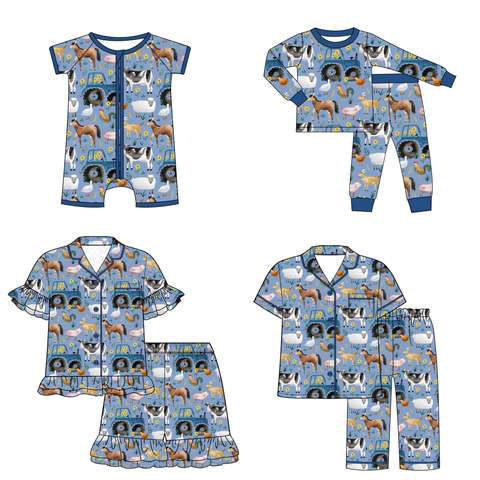
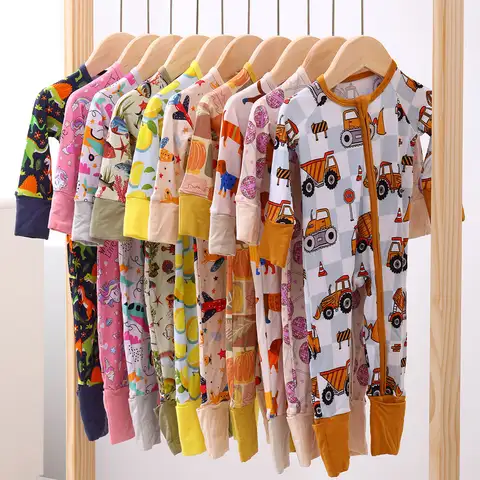
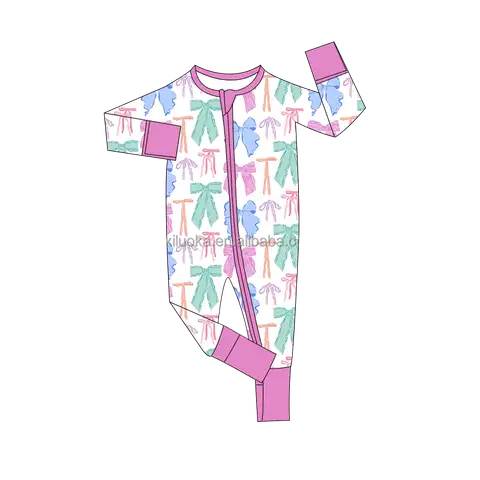
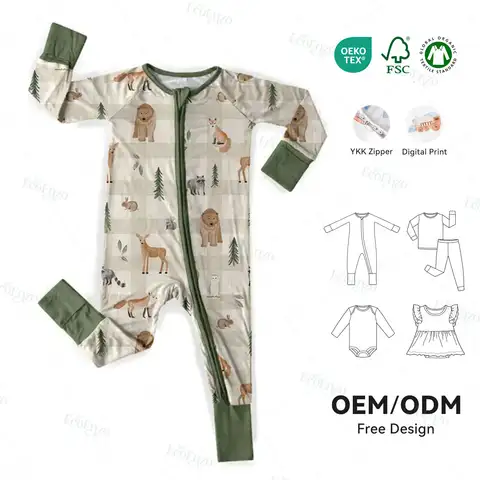
95 Bamboo Pajama OEM Direct
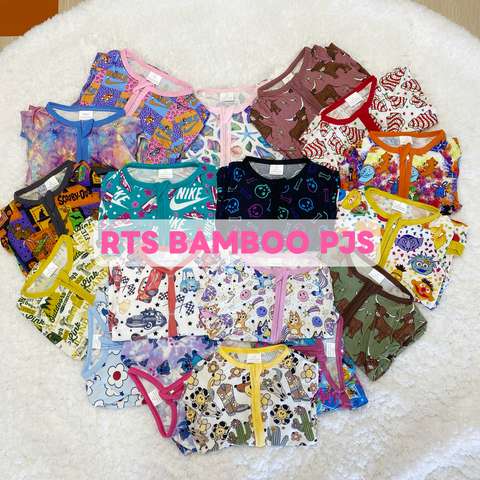
Strengthening Seam Durability in 95% Bamboo Pajamas
Understanding Bamboo Fabric Characteristics
Bamboo fabric, when comprising 95% of your pajamas' material, offers remarkable advantages like softness, breathability, and environmental sustainability. However, this high proportion of bamboo viscose introduces challenges in its structural integrity, particularly at seams. The fabric’s smooth surface and inherent flexibility can lead to seam slippage and fraying if production strategies are not tailored to its specific properties.
Analyzing Seam Issues in Bamboo Pajamas
Common issues with seams in bamboo pajamas include slippage, puckering, and eventual tearing under stress. These problems often arise due to the fabric’s slick texture combined with inadequate thread compatibility or poor seam construction methods. Overlooking these technical aspects during production impacts product longevity and customer satisfaction, potentially harming your brand’s reputation.
Optimizing Thread and Stitching Choices
Thread selection is critical for achieving durable seams. Polyester or poly-cotton threads work well with bamboo fabric, offering strength and flexibility. Avoid threads with excessive rigidity as they can increase stress points at seams. Additionally, thread thickness should match fabric density to prevent piercing or stress marks.
Stitch types must accommodate the fabric’s elasticity. Overlock, flatlock, and double-needle stitching are particularly effective for bamboo pajamas. Overlock stitches secure the edges to prevent fraying, while flatlock stitches provide strong, flat seams suitable for knit bamboo fabrics. Double-needle stitches enhance durability but should be tested for compatibility with thinner bamboo fibers.
Machine Settings and Needle Selection
Production line machinery requires calibration to handle bamboo fabric. Standard sewing machines may suffice, but avoid using excessively high-speed settings, which cause fabric pulling. Needle selection is equally important; ballpoint needles work well by gliding through the fabric rather than piercing it, minimizing fiber damage.
Lower tension settings help prevent puckering. Test these settings on sample fabric before proceeding with bulk production. Monitor stitch uniformity throughout the production process to confirm consistent seam quality.
Pre-Treatment of Bamboo Fabric
Introducing a pre-treatment process for bamboo fabric reduces seam-related issues. Steam pre-shrinking stabilizes fibers before cutting and sewing, diminishing risks of post-production shrinkage and seam stress. Press the fabric to prevent curling edges, which complicate seam alignment during sewing.
Handle bamboo sheets carefully during pre-treatment. Improper techniques cause distortions, increasing seam failure rates during assembly. Training for staff handling this material significantly improves pre-treatment outcomes.
Quality Assurance During Production
Continuous monitoring of seam integrity mitigates defects early. Implement regular inspections at each stage, focusing on thread tension, stitch tightness, and fabric slippage. Inspect random samples for seam strength under stretch and pressure tests to ensure consistency.
Standardize worker training on bamboo fabric handling and machine calibration. Uniform practices maintain predictable results across production lots, reducing variation and customer complaints.

Post-Production Testing for Seam Durability
Rigorous testing ensures seam reliability before the product reaches the market. Stress tests mimic common wear conditions, such as washing, stretching, and pulling. Wash trials at varying temperatures evaluate seam preservation under routine care.

Address seam failures proactively. If problems arise during testing, assess production conditions, thread compatibility, and machine settings. Record findings to refine future batch specifications.
Partnering for Material and Machine Improvements
Collaborate with fabric and machine suppliers to engineer solutions specific to bamboo fabric. Suppliers often provide insights on thread types, needle designs, and machine enhancements to improve seam endurance. Engage in regular dialogue to remain updated on advancements in bamboo material processing.
Building supplier relationships ensures access to better raw materials and production tools, directly contributing to product excellence and streamlined operations.