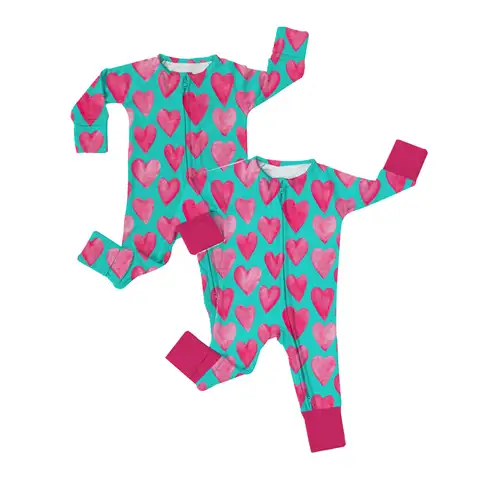
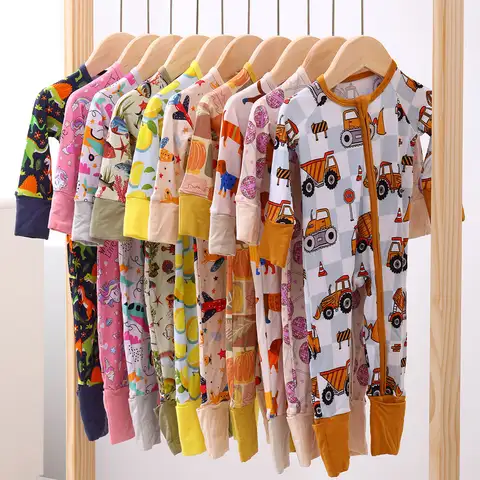
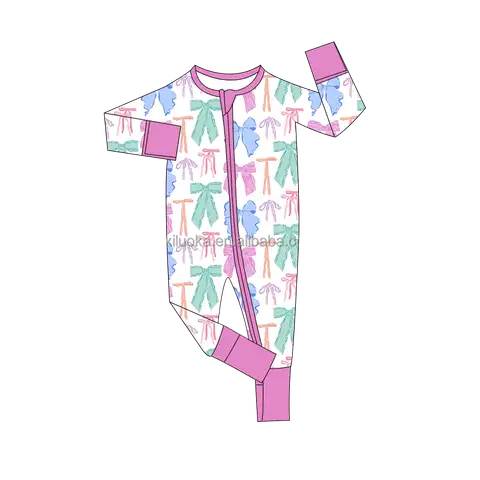
Bamboo Viscose Pajamas For Toddlers Top China Wholesale
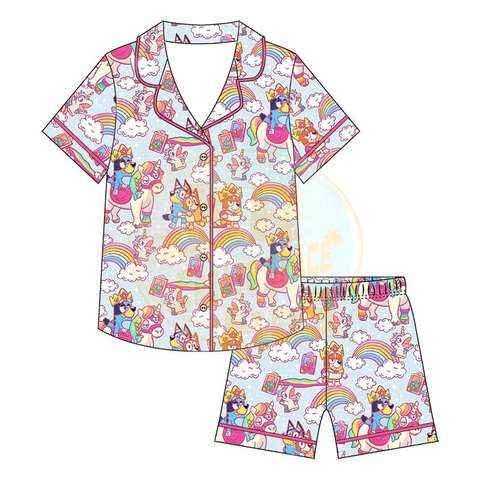
Ensuring Seam Strength in Bamboo Viscose Pajamas for Toddlers
Focus on durability and comfort in your production processes.
Understanding the Importance of Seam Strength
Bamboo viscose pajamas are favored for their softness, breathability, and eco-friendliness, particularly for toddlers. However, the quality of these garments depends heavily on their seam strength. Toddlers are highly active, and poorly constructed seams can lead to early product failure, customer dissatisfaction, and costly returns. Seam integrity should be a cornerstone of your production process to ensure durability that matches the reputation of bamboo viscose as a premium fabric.
Key Challenges with Bamboo Viscose
Bamboo viscose is a lightweight, stretchy fabric. While its softness and flexibility are assets, these properties can pose specific challenges for seam strength during manufacturing:
- Slippery texture: Bamboo viscose tends to slide during sewing, impacting seam alignment.
- Fabric stretch: Its elasticity demands precise tension control to avoid puckering or weak seams.
- Susceptibility to tearing: Poor thread selection or stitching techniques can reduce the fabric’s durability.
Addressing these issues requires a methodical approach, tailored equipment, and stringent quality testing.
Priority Steps to Optimize Seam Strength
Follow these technical guidelines to enhance seam integrity without compromising the comfort and aesthetic appeal of bamboo viscose pajamas:
1. Fabric Pre-Treatment
Start with pre-treating the bamboo viscose. Wash and dry the rolls of fabric before cutting. This reduces shrinkage post-production, minimizing strain on the seams after the first laundering by customers.
2. Stitch Selection
Use stretch-compatible stitches to ensure flexibility without compromising seam strength:
- Overlock stitch: Ideal for constructing joints in stretchy fabric. Use a 4-thread overlock for additional reinforcement.
- Flatlock stitch: Suitable for comfort-focused products, it minimizes bulk and irritation against a toddler’s skin.
3. Thread Quality and Type
Invest in high-quality polyester or poly-core threads. These threads are durable, strong, and have the necessary stretch to move with the fabric during use.
4. Needle Selection
Equip every sewing machine with ballpoint or jersey needles. These penetrate bamboo viscose more effectively, avoiding snags or tears that could weaken the garment.
5. Tension Tuning
Adjust machine thread tension carefully to balance stitch tightness. Loose stitches result in gaping seams, while overly tight stitches can cut into the fabric, causing seam failure over time. Confirm settings with test stitching before committing to production.
6. Reinforcement and Stress Testing
Reinforce high-stress areas such as crotches and knees with bar tacks or double stitching. Incorporate regular seam stress testing during production to catch potential weak points early.
Best Practices on the Production Floor
Seam strength is a team effort, requiring attention to detail at each stage of production:
- Quality auditing: Implement real-time inspections, especially for initial runs of newly adjusted machines.
- Employee training: Train operators on handling bamboo viscose specifically, focusing on minimizing fabric distortion during sewing.
- Maintenance: Regularly service sewing machines to avoid loose stitches and inconsistencies that could undermine seam quality.
- Communication: Ensure production teams, designers, and quality assurance staff remain aligned, reviewing seam specifications and common issues regularly.
Final Quality Checks for Bamboo Viscose Pajamas
Before packaging, conduct these checks to confirm product consistency:

- Inspect all seams for straight, even stitching without puckering or loose threads.
- Double-check stress points for reinforcement and strength.
- Perform random stretch tests on garments to verify seam durability under simulated wear conditions.
- Confirm that seams contribute to the overall comfort of the pajamas, avoiding rough or bulky areas.