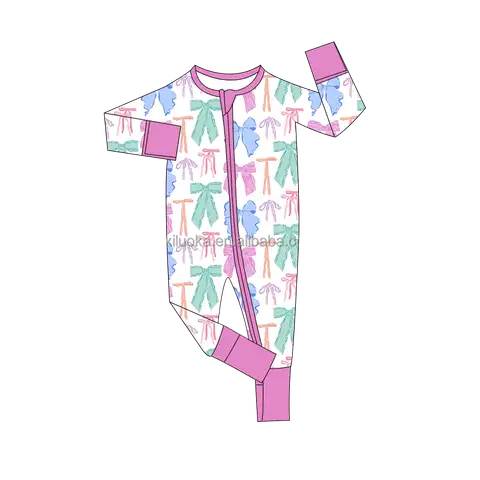
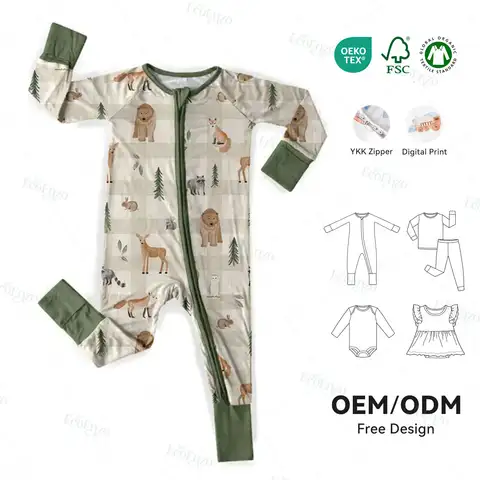
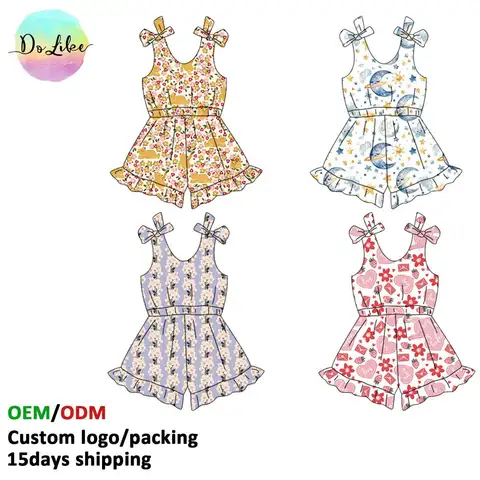
Bespoke Bamboo Baby Clothing Private Label Vendor
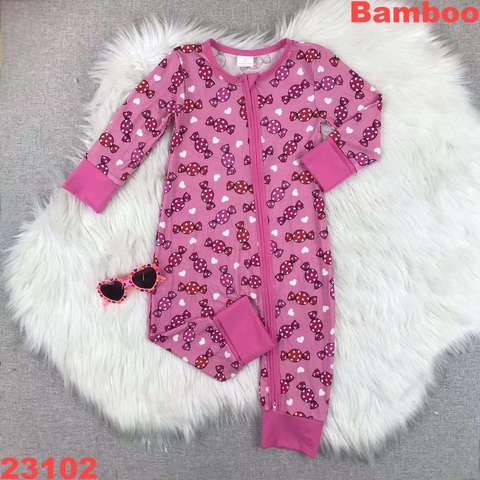
Bamboo Baby Clothing: Navigating CPC/CPSIA Legal Requirements and QC Audits
The rise in popularity of bamboo baby clothing can be attributed to the fabric's softness, breathability, and eco-friendliness. However, for businesses engaged in manufacturing or retailing these products, navigating the CPC/CPSIA legal requirements and conducting thorough Quality Control (QC) audits are crucial to ensure safety and compliance.

Understanding the CPC/CPSIA Legal Framework
The Consumer Product Safety Improvement Act (CPSIA) outlines strict guidelines for children's products, including baby clothing. The act mandates businesses to comply with numerous safety standards to prevent potential hazards. Central to these requirements are the Certification of Product Conformity (CPC) standards, which necessitate rigorous testing and documentation.
Certification of Product Conformity
For bamboo baby clothing, a Children's Product Certificate (CPC) is required, indicating compliance with applicable safety rules. This certificate is typically based on test results from a CPSC-accredited laboratory. Key areas of focus include:
- Flammability: Compliance with the Flammable Fabrics Act (FFA) ensures the clothing does not pose unreasonable fire risks.
- Lead Content: The CPSIA mandates that lead content in children's products must not exceed 100 parts per million (ppm).
- Phthalates: Clothing must be free from certain phthalates, especially in any plastic components or coatings.
Maintaining up-to-date CPC documentation is critical, as failure to comply can result in severe penalties, including product recalls and financial liabilities.
Key Elements of Quality Control Audits
Implementing a robust Quality Control (QC) audit procedure is essential to ensure that bamboo baby clothing meets safety and quality standards. QC audits help identify and mitigate potential risks before products reach consumers.
Inspection Protocols
Effective QC audits involve comprehensive inspection protocols. Inspections should include:
- Visual Inspection: Evaluating the appearance and construction of the clothing, including stitching, seams, and embellishments to ensure durability and safety.
- Functional Testing: Assessing the performance of the fabric, including stretch, strength, and breathability to verify quality standards.
- Lab Testing: Conducting laboratory tests for chemical safety, flammability, and material composition to ensure compliance with CPC/CPSIA regulations.
Batch Testing and Sampling
Batch testing and sampling are integral components of a QC audit. Random sampling of batches ensures consistency and quality across production lots. It's critical to establish acceptable quality levels (AQL) to guide inspection severity and sampling size.
, documentation of all findings during batch testing provides traceability and assists in rectifying issues promptly, further ensuring compliance with CPC/CPSIA standards.
Challenges and Best Practices in Compliance and QC Audits
Common Challenges
Businesses often face challenges such as staying up-to-date with regulatory changes, maintaining quality across different production facilities, and managing supply chain complexities. Additionally, discrepancies in material properties, such as varying bamboo blend ratios, can lead to non-compliance if not properly managed.
Best Practices for Compliance
To efficiently navigate these challenges, businesses should consider the following best practices:
- Regular Training: Conduct regular training sessions for teams to keep abreast of current CPC/CPSIA requirements and QC processes.
- Vendor Management: Develop strong relationships with suppliers to ensure consistent quality and compliance. Clear communication of standards and frequent audits of suppliers can mitigate risks.
- Documentation and Record-Keeping: Meticulous documentation is imperative for demonstrating compliance. Keep thorough records of all testing, certifications, and QA/QC processes.
Leveraging Technology
Embracing technology can enhance the efficiency of compliance and QC audits. Automated systems for tracking compliance, real-time data analysis, and digital record-keeping can streamline processes and help maintain up-to-date compliance status.
| MOQ | 1000 PCS |
| Customization | Custom |
| Lead Time | 40 Days |
| Compliance | CPSIA Compliant |
| AQL Standard | 2.5 Critical / 4.0 Major |
For businesses involved in the production and sale of bamboo baby clothing, understanding and adhering to CPC/CPSIA legal requirements and conducting rigorous QC audits are critical to ensuring product safety, quality, and consumer trust. By implementing effective QC protocols and staying informed about regulatory changes, businesses can not only comply with legal requirements but also gain a competitive edge in the marketplace.
Ultimately, the safety and quality of bamboo baby clothing depend on meticulous attention to CPC/CPSIA guidelines, robust QC audits, and the seamless integration of best practices throughout the supply chain. As companies navigate the complexities of compliance, they continue to contribute to the well-being of the youngest consumers and uphold the highest standards of safety and quality.