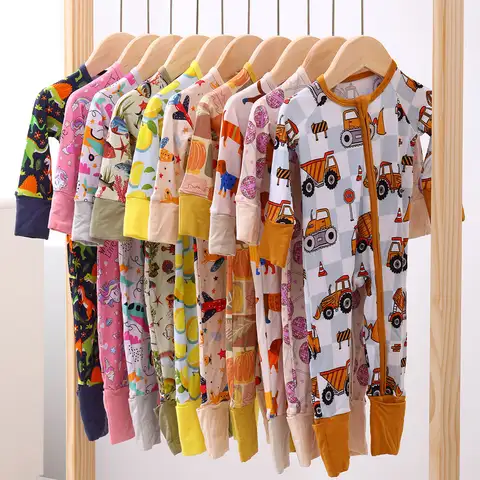
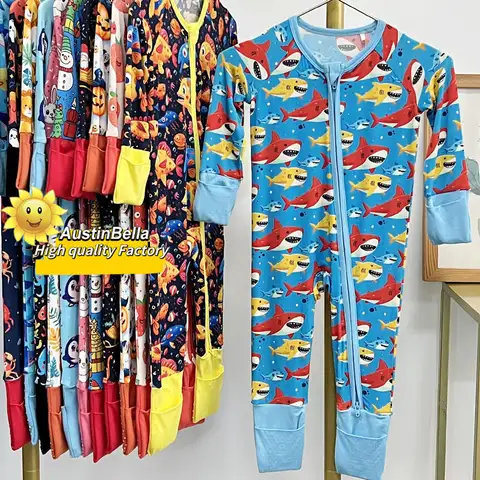
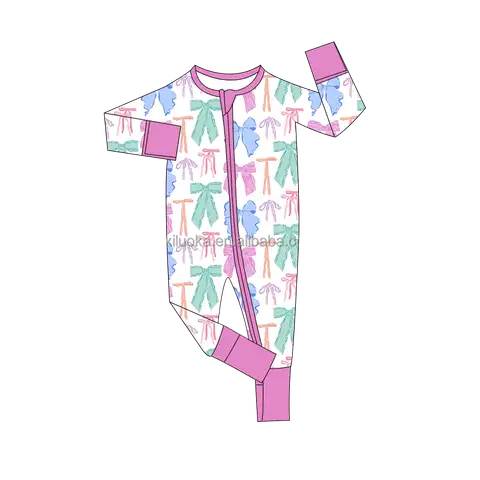
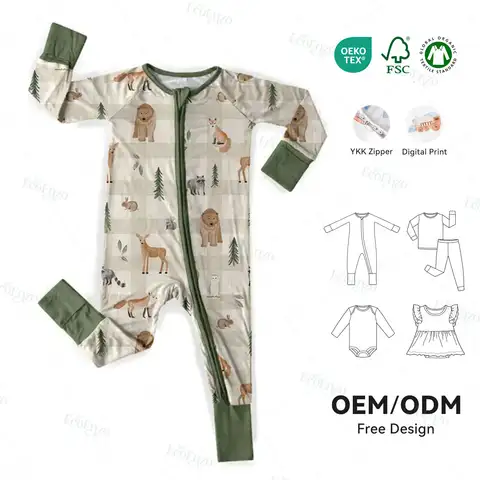
Bespoke Ready To Ship Toddler Bamboo Pajamas Odm Supplier
Ensuring Compliance and Quality Control for Ready-to-Ship Toddler Bamboo Pajamas
As the demand for sustainable, eco-friendly clothing options rises, bamboo pajamas have gained immense popularity in the toddler clothing market. However, as these "ready-to-ship" products reach buyers swiftly, manufacturers and distributors must pay close attention to quality control (QC) and adhere to legal requirements set forth by the Consumer Product Safety Improvement Act (CPSIA) and the Consumer Product Commission (CPC). This article delves into the critical steps needed to ensure compliance and quality assurance for toddler bamboo pajamas.

Understanding CPSIA and CPC Requirements
The CPSIA and CPC regulations are designed to protect consumers by setting safety standards for children's products. Toddler pajamas, particularly those intended for infants and young children, must comply with strict guidelines:
- Flammability Standards: Toddler pajamas are required to either be flame-resistant or snug-fitting as defined in 16 CFR Part 1615 and 1616. Bamboo fiber, although naturally hypoallergenic and breathable, must be treated or designed to meet these flammability guidelines.
- Lead Content: CPSIA mandates that children’s sleepwear, including pajamas, contain lead content of no more than 100 parts per million (ppm). Since bamboo fabric rarely presents lead contamination, the focus should be on trims, zippers, and prints.
- Phthalate Restrictions: Phthalates used to soften plastics must not exceed 0.1% concentration in any accessible component of sleepwear, including prints or appliqués.
- Tracking Labels: All children's products must have tracking labels to aid in the recall process, stipulating information about the manufacture date, batch number, and place of production.
Conducting Comprehensive Quality Control Audits
Quality Control (QC) audits are an essential component in ensuring that toddler bamboo pajamas not only comply with legal regulations but also meet consumer standards for quality. Here’s how a QC audit should be conducted:
Pre-Production Audits
Before production begins, pre-production audits allow manufacturers to identify potential issues early. This stage includes:
- Material Inspection: Ensure bamboo fabric meets the specified weight, texture, and composition. Also, test for colorfastness and fabric strength.
- Supplier Assessment: Evaluate raw material suppliers for compliance with environmental standards and assess their quality management systems.
- Pattern Review: Verify that the garment designs adhere to snug-fit standards or are suitably treated for flame resistance.
During Production Inspections
This phase occurs when 10-25% of the order is completed. It involves verifying the consistency of the production processes:
- In-Process Checks: Random checks should be made to ensure all items are cut and sewn correctly, that stitching is reinforced, and that size specifications are accurate.
- Component Testing: Regularly test zippers, buttons, and other components for lead and phthalate content.
- Color Consistency: Check for uniformity in dye batches to avoid discrepancies in final products.
Final Random Inspections
Conducted upon completion of production, final inspections determine the readiness of the product for shipping:
- Quality Assessment: Critically examine a random sample set against pre-determined criteria concerning stitching, printing, and labels.
- Packaging Checks: Ensure packaging is compliant, informative, and protective against damage during transit.
- Documentation Verification: Confirm all CPSIA-required documents accompany each shipment, including tracking labels and certificates of conformity.
Certification and Third-Party Testing
To solidify compliance and quality assurance, manufacturers should enlist third-party laboratories to conduct independent tests. This step enhances credibility and consumer confidence:
| Lead Time | 33 Days |
| Customization | ODM |
| Fabric Type | Pima Cotton |
| MOQ | 500 PCS |
| Compliance | GOTS Organic |
- Flammability Tests: Independent labs evaluate the sleepwear's flame resistance or suitability for snug-fit use.
- Chemical Testing: Verify that no banned substances exceed permissible limits – ensuring adherence to all chemical regulations, including lead and phthalates.
- Factory Audits: Regular audits by an independent body can help maintain compliance and rectify any lapses in manufacturing processes promptly.
In the highly competitive toddler wear market, ensuring compliance with CPSIA and CPC guidelines while maintaining supreme product quality is pivotal. Bamboo pajamas offer a sustainable and appealing option, but they also demand stringent oversight from pre-production to shipment. By conducting regular audits, engaging third-party testing, and maintaining thorough documentation, businesses can confidently provide safe, quality products that align with both regulatory standards and consumer expectations.