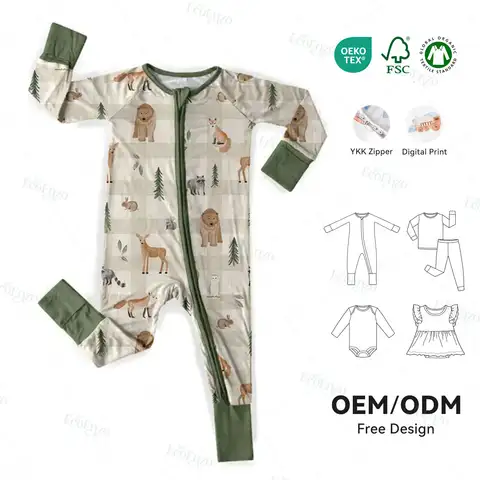
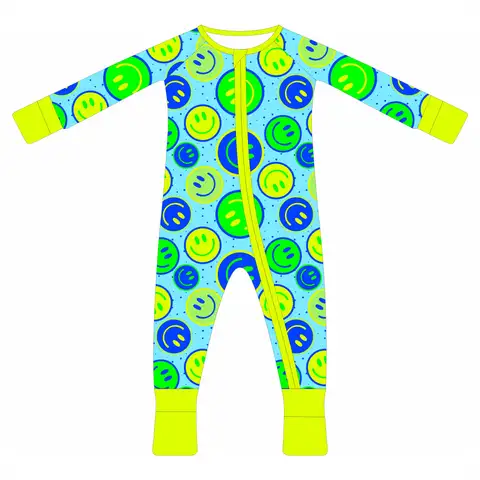
China Bamboo Zipper Pajamas Suit For Newborn Baby Top Direct
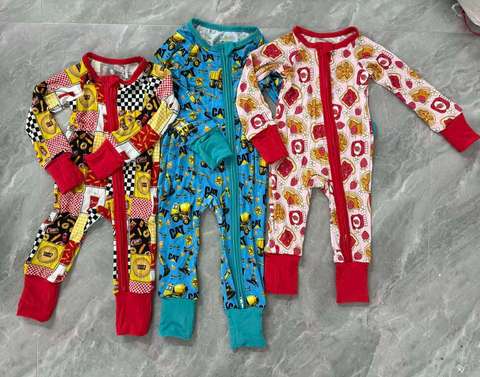
Seam Strength Guide for Newborn Bamboo Zipper Pajamas
The production of bamboo zipper pajamas for newborns demands particular attention to detail, especially when it comes to seam strength. Newborn clothing must endure repeated stretching, washing, and wear while maintaining comfort and durability. Quality seams are foundational to product integrity and customer satisfaction in this sector. Manufacturers must prioritize precision, material compatibility, and testing during production.
Key Considerations for Seam Strength
The following factors strongly influence seam strength in bamboo zipper pajamas for newborns:

- Fabric Properties: Bamboo fabric is soft yet prone to stretching. While its natural qualities provide breathability and hypoallergenic benefits, its structural integrity can be compromised at poorly executed seams.
- Thread Selection: Using threads with compatible strength and elasticity is crucial. Polyester or nylon threads are typically preferred to handle stress while maintaining flexibility.
- Seam Design: Flatlock seams and double-stitching methods are commonly recommended for bamboo baby pajamas due to their ability to minimize bulk and irritation for sensitive newborn skin.
- Zipper Placement: Zippers, while convenient, introduce additional stress points. Seam reinforcement around zipper openings is critical.
Production Process Improvements for Seam Strength
Improving seam strength does not solely depend on individual steps but an integration of techniques across the production line. Consider the following measures:
1. Pre-production Testing
Ensure rigorous fabric and thread testing prior to production. Test bamboo fabric's tensile strength and compatibility with chosen thread types under simulated stretching and washing conditions. Reject fabrics that show signs of tearing or distortion during these tests.
2. Needle Specifications
Use ballpoint needles to reduce fabric damage during stitching. The rounded tip glides between the bamboo fibers rather than cutting through, preserving fabric strength and seam integrity.
3. Seam Reinforcement Techniques
Integrate reinforcement stitching for high-stress areas such as armpits, crotches, and around zippers. Avoid single-row stitching for these zones. Double-stitching or overlocking stitches adds resilience while keeping the seam flat against the fabric.
4. Quality Control Station
Establish post-sewing inspections. Check each seam for skipped stitches, loose threads, or uneven tension. Use stretch tests and washing simulations to ensure durability before packaging.
5. Focus on Automation
Where feasible, automate stitching techniques using calibrated sewing machines. Automation ensures uniform stitch length, tension, and spacing, which reduce seam failures caused by human error.

Enhanced Zipper Integration
Zippers on newborn bamboo pajamas must serve their functional purpose without compromising durability or comfort:
- Zipper Material: Opt for reinforced nylon or plastic zippers as they are lighter and gentler than metal while being resistant to rust and wear.
- Seam Strength at Zipper Base: Reinforce the fabric at the zipper’s base with additional stitching or a supplementary fabric layer to prevent tearing during repeated use.
- Stress Testing: Simulate multiple opening and closing cycles of the zipper. Monitor seam integrity during these tests.
Training and Workflow Optimization
Train production workers specifically on handling bamboo fabric and achieving high seam strength. Introduce regular workshops addressing stitching techniques, error-prone areas, and machine calibration. Clear step-by-step workflows help maintain consistency across production lines.
Collaborate with Suppliers
Maintain strong relationships with fabric and thread suppliers to secure consistent, high-quality materials. Request certification from suppliers verifying bamboo fabric's tensile properties. Regular supplier audits help ensure adherence to quality standards.
Testing Protocols for Newborn Apparel
Beyond production, establish robust testing protocols for finished pajamas:
- Stretch Resistance Testing: Apply controlled stress to seams to mimic stretching during wear. Verify that seams return to their original position without distortion.
- Laundry Durability: Wash-test samples under harsh conditions to assess seam longevity.
- Newborn Comfort Assessment: Confirm seams lie flat against the skin and avoid irritation with external stitching visibility tests.
Resulting Benefits for Manufacturers
By prioritizing seam strength, manufacturers deliver durable, comfortable, and reliable bamboo zipper pajamas for newborns. This fosters trust with buyers in retail and wholesale partnerships, reduces product returns, and positions the brand as a leader in quality newborn apparel products.