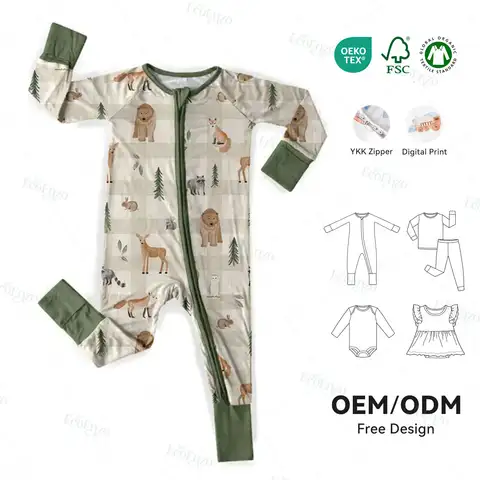
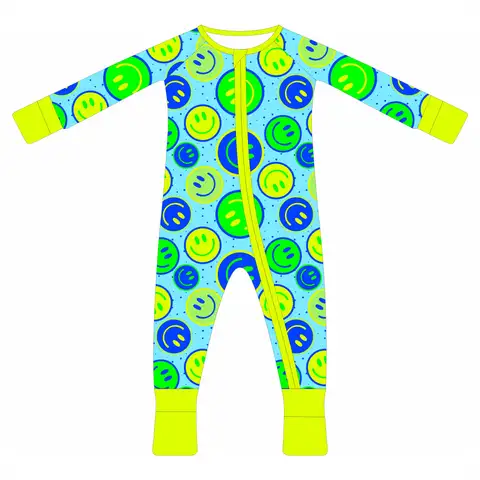
China OEM Bamboo Viscose Baby Pajamas
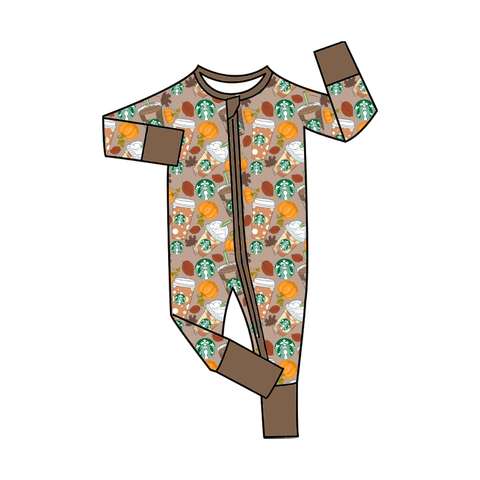
Ensuring Seam Strength in Bamboo Viscose Baby Pajamas
Understanding Bamboo Viscose Fabric
Bamboo viscose fabric is widely chosen for baby pajamas due to its softness, moisture-wicking properties, and breathability. Its lightweight nature is ideal for delicate skin. However, the fabric's smooth texture can make sewing and maintaining seam strength challenging, requiring precision and attention to detail during manufacturing.

The Importance of Seam Strength
Seam strength directly affects the durability and safety of bamboo viscose baby pajamas. Weak seams can lead to failures during regular use or washing, posing risks such as skin irritation or entanglement hazards. In addition, your brand reputation depends on producing garment seams that withstand the demands of active wear without compromising comfort or aesthetic quality.
Key Factors Impacting Seam Strength
Several factors influence seam integrity in bamboo viscose baby pajamas. These include thread selection, stitching techniques, seam design, and tension settings. Each must be optimized to ensure close adherence to quality standard requirements.
- Thread Selection: Use threads compatible with bamboo viscose fabric. Polyester threads are commonly preferred for their strength and abrasion resistance.
- Stitching Techniques: Reinforce seams with double stitching or overlocking to maximize durability.
- Seam Design: Flatlock seams provide enhanced comfort for infants while minimizing bulk and irritation.
- Tension Settings: Adjust sewing machine tension to prevent stitches from being too tight (causing breakage) or too loose (affecting integrity).
Optimizing Seam Construction Processes
Production teams must focus on enforcing efficient processes to ensure seam strength while maintaining productivity in high-volume operations.
- Training Sewing Staff: Provide targeted training sessions for operators working with bamboo viscose fabric. Emphasize techniques for handling stretchable materials without distortion.
- Stitch Quality Monitoring: Implement regular checks during production to identify and rectify weak or uneven seams before garments move to the next checkpoint.
- Maintaining Machinery: Conduct routine maintenance for sewing machines, especially for feeding mechanisms, to handle soft, slippery fabric consistently.
Quality Assurance Protocols
Quality assurance teams play a critical role in verifying seam strength in bamboo viscose baby pajamas. Utilize these steps to avoid defects:
- Test seams for tensile strength using standard pull tests. Check against industry benchmarks.
- Conduct wash tests to ensure seams remain intact after multiple machine wash cycles.
- Inspect finished garments visually for skipped stitches, puckering, or other signs of seam instability.
- Enforce garment sampling procedures to identify systemic issues during early production phases.
Balancing Strength and Comfort
When reinforcing seams, avoid sacrificing baby comfort. Opt for thread types that complement the fabric's softness, even if they require slight adjustments in processing speed. Design seams that reduce bulk and ensure smooth transitions, particularly for areas like armholes and leg openings. Sew operators should be equipped to work under parameters prioritizing baby safety while meeting seam durability goals.
Vendor Collaboration for Improved Outcomes
Collaborate with raw material suppliers to procure fabric with consistent quality and performance. Similarly, maintain open lines of communication with thread vendors to source materials that best suit bamboo viscose applications. Clear technical specifications will align supplier efforts with your seam performance expectations.
Final Considerations
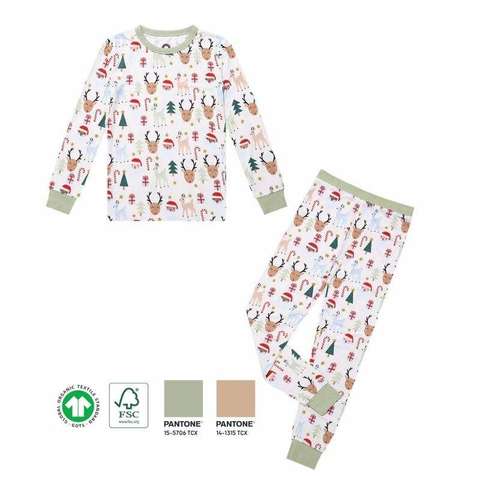
Producing bamboo viscose baby pajamas requires combining thoughtful material selection, precise sewing processes, and rigorous quality control. Optimizing seam strength ensures not only garment longevity but also builds customer trust in your product. Production teams must remain adaptable, identifying challenges early, and fine-tuning operations where necessary to meet both durability and comfort demands.