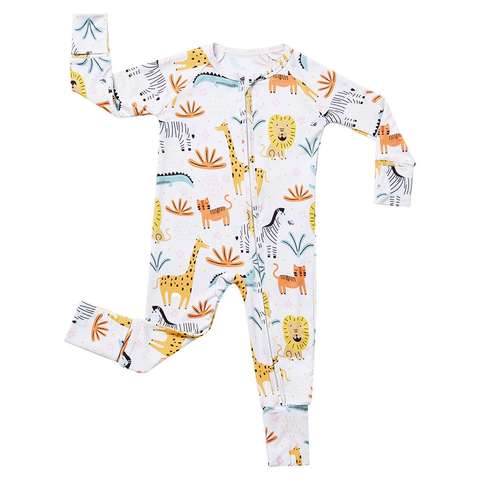
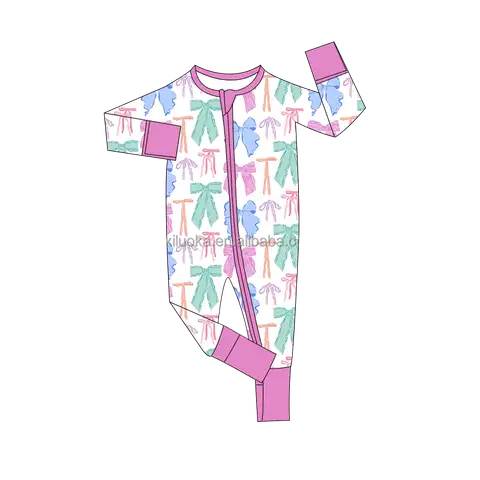
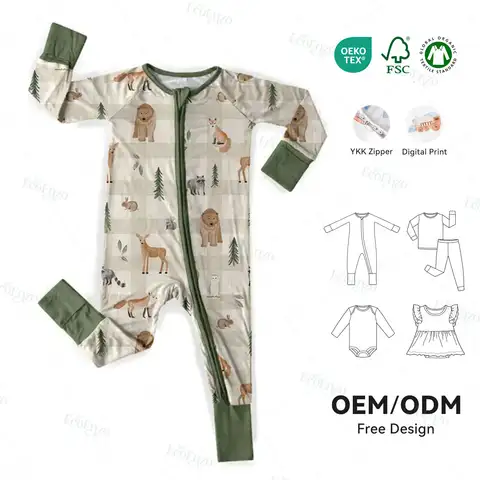
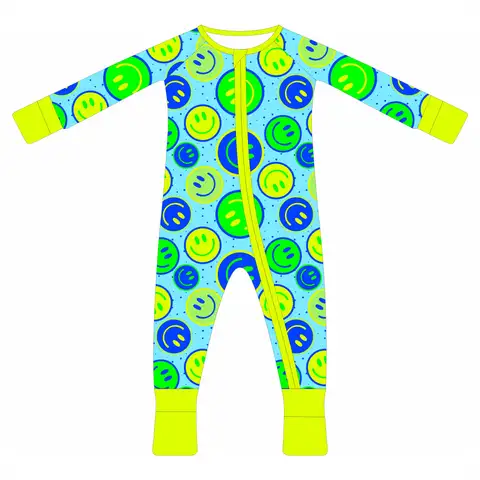
China OEM Character Bamboo Pajamasstrawberry Shortcake Bamboo Pjs Factory
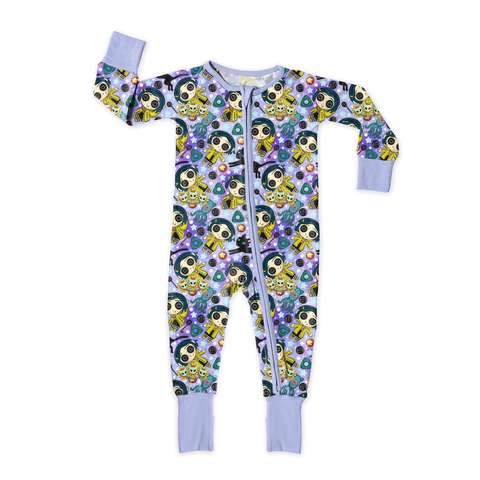
Ensuring Seam Strength in Strawberry Shortcake Bamboo Pajamas
Introduction to Seam Strength for Bamboo Fabric
Bamboo fabric has gained significant traction in the clothing industry due to its softness, breathability, and sustainability. However, its key appeal comes with challenges, particularly in seam strength. Strawberry Shortcake bamboo pajamas are designed with durability and wearability in mind, making precise attention to seam strength essential during production.

Understanding Bamboo Fabric Properties
Bamboo fabric is naturally soft and fluid, which can pose challenges in maintaining strong seams under repeated stress and washing. The fabric’s tendency to stretch means that improper stitching techniques lead to weak points that compromise quality. Manufacturers must account for bamboo's natural properties during pattern-making, cutting, and sewing to ensure that the seams remain intact without restricting the garment's flexibility.
Choosing the Right Sewing Methods
Stitch Type
For bamboo pajamas, prioritize stretchable seam types such as lockstitch or overlock (serger) seams. These provide the flexibility needed to prevent breakage during wear. Flatlock seams are another excellent choice, particularly for pajamas, as they lie flat against the skin and reduce irritation.
Thread Selection
Use polyester or core-spun threads for bamboo garments. Polyester threads offer both strength and elasticity, which are essential to match the properties of bamboo fabric. Avoid cotton threads, as they lack the durability necessary to withstand the fabric's stretch and washing cycles.
Reinforcement Techniques
Reinforce high-stress points such as underarms, crotch seams, and side seams. Bartacks and double-stitched seams are useful in these areas to add strength without compromising the garment's comfort or aesthetic. Stitch density also impacts seam integrity; maintain uniform spacing to prevent the fabric from gathering or tearing.
Seam Placement for Bamboo Pajamas
The design layout influences seam stress and longevity. For Strawberry Shortcake bamboo pajamas, ensure that seam placements align with the fabric grain and minimize tension points. Avoid positioning seams along areas subjected to repeated pulling or bending. Instead, design patterns that distribute stress evenly across the fabric.
Flatlock Seams for Comfort
Flatlock seams are ideal for sensitive areas like the neckline, cuffs, and waistband. Their minimal bulk enhances comfort, and their flat construction reduces the probability of seam wear.
Quality Control Measures
Seam strength testing is not optional. Incorporate routine quality checks during production to avoid weak points and ensure consistency. Common tests include:
- Pull Testing: Manually or mechanically apply stress to seams to identify any potential failures.
- Wash Cycle Testing: Simulate multiple washes to observe seam durability under expected consumer use.
- Visual Inspection: Check for signs of skipped stitches or uneven tension, particularly on stretchable areas.
Document testing results for reference and process improvements. Clearly define acceptable standards for seam performance to maintain uniformity.
Training Production Teams
Seam strength starts with skilled operators. Invest in training sessions focused on working with bamboo fabrics, emphasizing correct thread tension, sewing machine calibration, and advanced stitching techniques. Experienced operators can quickly identify problems during the sewing process, reducing the risk of defects.
Equipment Maintenance
Regular maintenance of sewing machines is critical for ensuring consistent seam strength. Check that needle types match the fabric’s properties; ballpoint needles are preferable to avoid damaging bamboo fibers. Keep machine parts clean and lubricated, and ensure the feed mechanism operates smoothly to prevent fabric distortion.