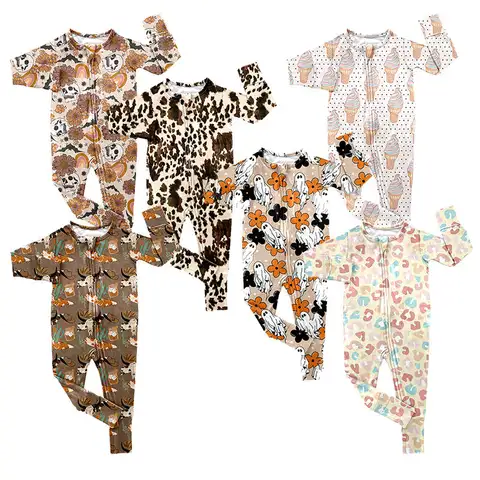
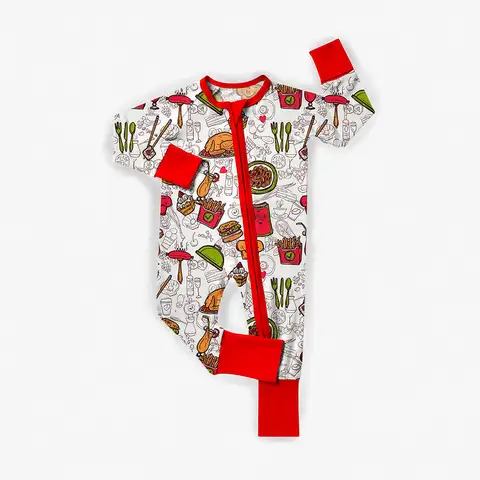
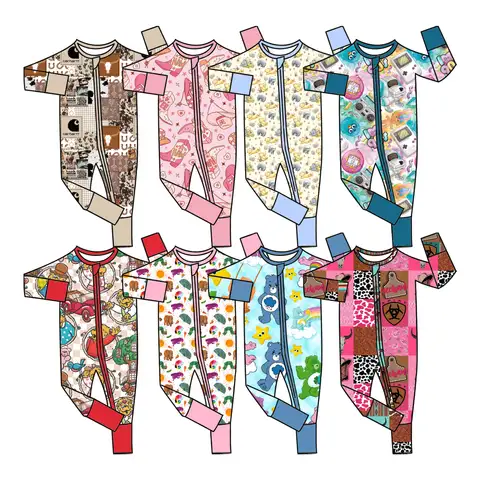
China Wholesale BambooFootedPajamas OEM

Ensuring Seam Strength in Bamboo-Footed Pajamas
Why Seam Strength Matters
Seam strength is a critical element in the production of bamboo-footed pajamas. Pajamas are subjected to repeated wear-and-tear, washing cycles, and movement. Compromised seams can lead to premature garment failure, affecting end-user satisfaction and increasing warranty claims. For businesses, weak seams can lead to higher return rates, negative reviews, and reputation damage. Prioritizing seam durability is essential to maintaining quality standards and ensuring customer loyalty.
Challenges Specific to Bamboo Fabric
Bamboo fabric is renowned for its softness, breathability, and eco-friendliness, but it poses challenges for seam strength during manufacturing. Bamboo fibers are more delicate compared to synthetic materials, and they tend to stretch or slip under tension during assembly. This makes pre-production planning and quality assurance crucial in minimizing seam disruptions. Additionally, bamboo’s moisture-wicking properties can influence thread selection and sewing tension.
Key Strategies for Strong Seam Construction
Addressing seam strength issues requires a combination of the right materials, techniques, and quality checks at each stage of production. Below are actionable measures to incorporate into your manufacturing process.
1. Use High-Tensile Threads
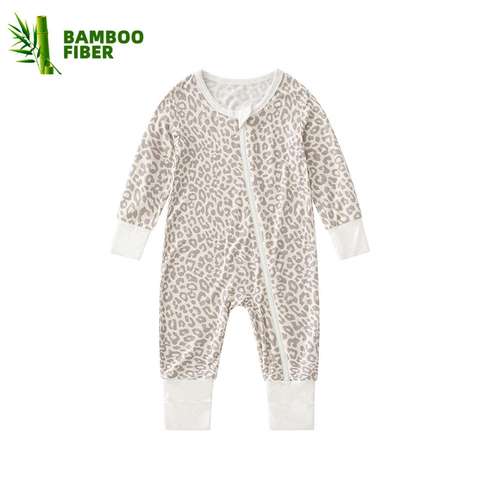
Selecting threads with high tensile strength is non-negotiable. Polyester or poly-core threads often outperform cotton threads in maintaining seam integrity for bamboo fabric. Ensure these threads are resistant to shrinkage and have excellent stretch recovery properties.
2. Opt for Reinforced Stitching Techniques
Reinforcing stitches can significantly improve seam strength. Double-stitch methods, such as flat-felled or overlock seams, distribute tension more evenly along the fabric. Pay special attention to stress points like the ankles, footed sections, and crotch area. Conduct pilot runs to determine which techniques yield optimum results for your specific design.

3. Maintain Optimum Sewing Machine Settings
Sewing machines must be calibrated to handle bamboo fabrics. Adjust the tension settings carefully. Too much tension will lead to puckering or thread breakage, while too little may create loose or skipped stitches. Use ballpoint needles to avoid damaging bamboo’s fibers. Test sew small batches before scaling up production.
4. Incorporate Thermal Bonding for Key Areas
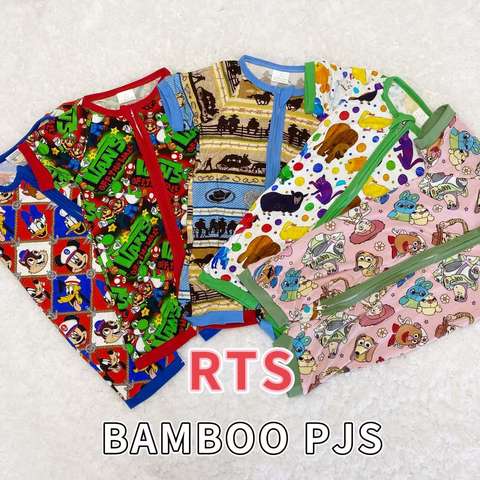
Thermal bonding can add durability to critical seams. For example, footed pajama soles experience more strain during movement. Applying a heat-sealed adhesive tape along these seams can offer extra resilience. Use heat-resistant threads to ensure the fabric and stitches are compatible with this technique.
5. Assess Fabric Weight and Construction
Bamboo fabric comes in various weights and blends. Lighter bamboo fabrics are more prone to seam failure, especially in footed sections. Evaluate the GSM (grams per square meter) of the fabric to ensure it aligns with the requirements of children’s wear or active sleepwear designs. Heavier-weight bamboo blends, combined with spandex or Lycra, often provide better seam stability.
Conducting Seam Strength Testing
Incorporate routine seam strength testing into your production workflow. Standardized tests, such as the ASTM D5034 Grab Test or the Seam Slippage Test, can help assess the performance of your stitching under realistic stress conditions. Tests should account for both break and stretch tolerances to ensure the seams hold up over time. Additionally, post-wash durability tests are necessary to confirm that seams remain intact after multiple laundering cycles.
Training Production Teams
Equip your production team with the right skills and knowledge to enhance seam quality. Regular workshops and training for machine operators can help ensure consistency in tension settings, thread use, and seam alignment. Standard operating procedure (SOP) documentation should also clearly outline best practices for seam construction, including troubleshooting common problems such as skipped stitches, broken threads, or uneven stitching.
Partnering with Quality Suppliers
Collaborating with suppliers who specialize in bamboo-specific threads, fabrics, and adhesives can minimize quality risks. Ensure that your material suppliers adhere to rigorous quality standards. Request technical documentation such as tensile strength reports or certifications that verify the durability of their materials.