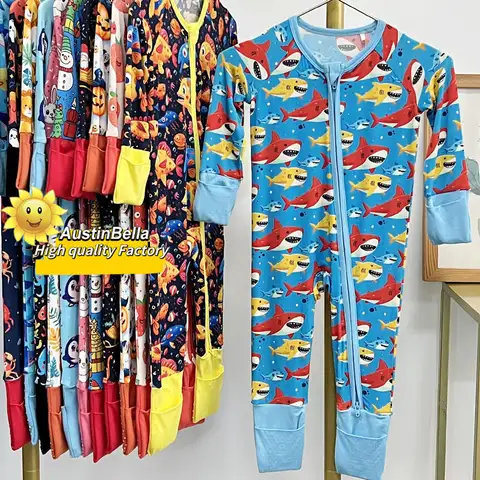
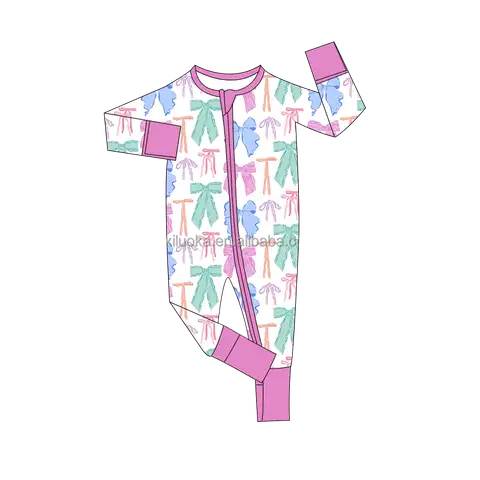
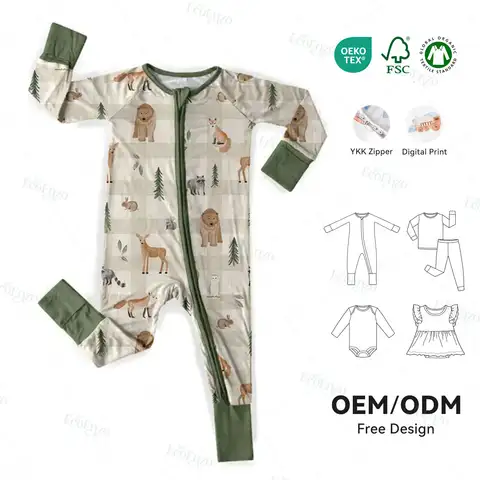
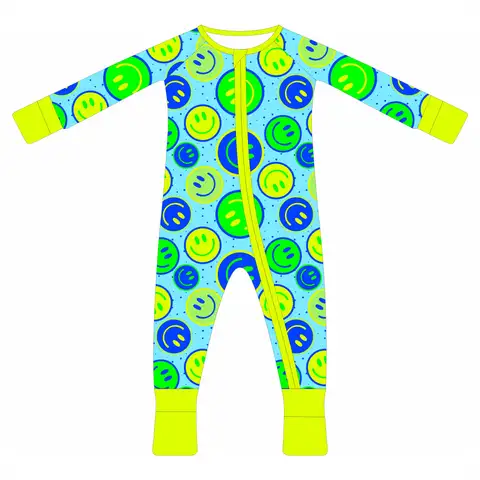
Cpc Certified Anti Slip Grip Bamboo Pajamas Cpsia Compliant Factory

Understanding CPC/CPSIA Regulations for Bamboo Pajamas
Bamboo pajamas, known for their comfort and eco-friendliness, must adhere to stringent legal standards to ensure consumer safety. The Consumer Product Safety Improvement Act (CPSIA) and Consumer Product Certificate (CPC) are critical regulations manufacturers and importers need to comply with in the United States. These regulations cover various safety aspects, including flammability, chemical content, and labeling requirements.

CPSIA Compliance
Enacted in 2008, CPSIA aims to protect children from unsafe products. Bamboo pajamas, especially those designed for children, must comply with the flammability standards outlined in 16 CFR Part 1615 for children’s sleepwear, which stipulates specific requirements for tight-fitting garments to prevent fire hazards. These pajamas should not only be snug-fitting but constructed in a manner that reduces ignition potential.
CPC Requirements
The Consumer Product Certificate (CPC) is a documented attestation from manufacturers or importers confirming that a product complies with all applicable safety rules. For bamboo pajamas, obtaining a CPC involves testing the product against outlined standards which include not just flammability but also testing for lead content and phthalates, especially in garments aimed at younger children.
Quality Control Audits for Bamboo Pajamas
Quality control audits are essential to ensure that bamboo pajamas not only meet legal safety requirements but also fulfill the quality and durability expectations of consumers. A QC audit will typically involve various inspection processes during different production stages.
Material Inspection
The quality of bamboo fiber is pivotal. It includes inspection for evenness, strength, and the presence of impurities. Auditors will examine the fabric for defects such as holes, tears, or inconsistencies in color and texture that could affect the performance and safety of the garment.
Stitching and Construction
Inspectors focus on the stitching quality during a QC audit. Seams must be strong and uniform, free from skipped stitches or loose threads. The construction is also inspected to ensure that it aligns with the tight-fitting requirements of CPSIA for children's sleepwear. Reinforcement of stress points, such as armholes and crotch seams, is checked to guarantee garment durability.
| AQL Standard | 2.5 Critical / 4.0 Major |
| Compliance | ASTM F963 |
| MOQ | 100 PCS |
| Fabric Type | Organic Bamboo |
| Lead Time | 33 Days |
Grip and Anti-Slip Features
The anti-slip grip is a standout feature for pajamas meant to be safe for children. Quality control teams inspect the adhesive or materials used on footed pajamas to ensure that they offer sufficient traction without compromising comfort. The grip should remain effective after multiple washes and should not peel or deteriorate easily.
Ensuring Compliance Through Continuous Testing
Compliance and quality assurance are ongoing processes. Manufacturers must engage in continuous testing to ensure consistent quality and adherence to CPSIA and CPC standards. This ongoing testing includes batch tests for new fabric lots, checking that they maintain necessary safety and performance characteristics.
Third-Party Testing
Engaging accredited third-party labs is a reliable method to affirm compliance. These labs conduct detailed testing for flammability, lead content, and other restricted substances. The data collected from these tests form a part of the documentation required during audits and CPC certification.
Documenting and Recordkeeping
Proper documentation is crucial in maintaining compliance with CPC and CPSIA. Manufacturers ought to keep detailed records of tests, inspection reports, and any issues spotted during QC audits. This information can be leveraged not only during industry inspections but also enhances the trust of B2B clients by showcasing a commitment to safety and quality.
Impact of Non-Compliance
Non-compliance with CPC and CPSIA can have severe repercussions including fines, mandatory recalls, or even legal action. For businesses in the B2B sector, this not only affects finances but can severely damage reputations and relationships with partners. To mitigate such risks, a proactive approach to compliance and quality control of bamboo pajamas is essential.
Ensuring that bamboo pajamas comply with CPC and CPSIA regulations, alongside rigorous quality control audits, is critical for safety and business legitimacy. By adhering to these legal standards and maintaining high QC measures, businesses can ensure the delivery of secure, comfortable, and environmentally friendly products to their clientele. , these practices foster trust and bolster brand reputation, essential components in a competitive market.
This HTML article emphasizes the importance of CPC/CPSIA compliance and quality control inspections for bamboo pajamas, focusing on their anti-slip features and safety requirements. It addresses key aspects of legal compliance and quality assurance plans that businesses must adopt to maintain safety and satisfy regulatory standards.