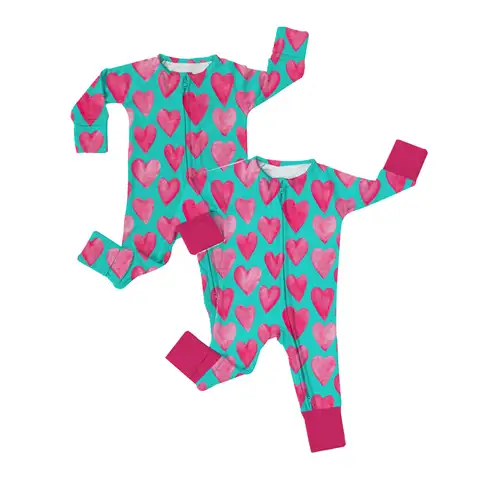
Cpsia Compliant Baby Romper Set Oem Oem
Understanding CPC/CPSIA Compliance for Baby Romper Sets
When manufacturing or selling baby romper sets in the United States, compliance with the Consumer Product Safety Improvement Act (CPSIA) and adherence to the Consumer Product Certification (CPC) requirements are critical. These regulations ensure that products are safe for children, allowing companies to avoid costly recalls and damage to their brand reputation. As an inspector, understanding these legal requirements and how they relate to quality control (QC) audits is essential for ensuring that baby rompers meet all necessary standards.
CPSIA Requirements
The CPSIA establishes safety standards for children's products, including baby romper sets. Key components of the CPSIA that manufacturers must adhere to include:
Lead Content Limits
CPSIA mandates that all children's products must not contain more than 100 parts per million (ppm) of lead in any accessible part. This applies to the fabric, buttons, and any embellishments included in a baby romper set. Ensuring compliance involves testing these components to confirm that they meet the legal requirements.
Phthalates Restrictions
Phthalates are chemicals used to make plastics more flexible and durable. Under the CPSIA, children's products cannot contain more than 0.1% of certain phthalates, including DEHP, DBP, and others. Since baby rompers may sometimes include plastic components, these must be tested to ensure compliance with phthalates limits.
Testing and Certification
Manufacturers must subject their baby romper sets to third-party testing in a CPSC-accepted laboratory to confirm compliance with the CPSIA standards. After testing, manufacturers must issue a Children’s Product Certificate (CPC) based on the testing results, certifying that the product complies with the applicable standards.
CPC Requirements
The Children’s Product Certificate (CPC) is a document demonstrating compliance with applicable CPSC regulations. It is mandatory for any children’s product entering the U.S. market. For baby romper sets, the CPC must include the following information:
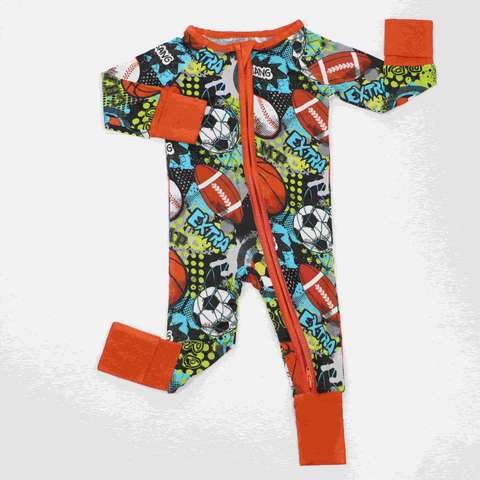
Product Identification
The CPC should clearly describe the baby romper sets, including any models or SKUs subject to certification. This ensures easy identification during any audits or inspections.
Citation to Applicable Standards
The certificate must cite each applicable safety rule, standard, or regulation, such as lead content limits and phthalates restrictions. This transparency helps stakeholders understand the specific requirements the product meets.
Testing Lab Details
The document must identify the third-party laboratory used for product testing, including the lab’s name, address, and contact information. This allows for verification of the testing processes and results.
Certificate Holder’s Information
The CPC should include the name and contact details of the entity responsible for maintaining compliance documentation, typically the manufacturer or importer.
Quality Control Audits for Baby Romper Sets
Quality control (QC) audits are an integral part of ensuring compliance with legal and safety requirements. These audits focus on various aspects of the manufacturing process, helping to ensure that baby romper sets adhere to the highest quality and safety standards.
Production Line Inspection
Conducting regular inspections of the production line allows manufacturers to identify and address potential issues before products reach the market. Inspectors should assess the entire manufacturing process, from material selection to final packaging, ensuring adherence to established procedures and compliance standards.
| MOQ | 1000 PCS |
| Customization | OEM |
| Fabric Type | Pima Cotton |
| Lead Time | 27 Days |
| Compliance | GOTS Organic |
Sampling and Testing
Random sampling and testing of finished products are crucial for verifying compliance with CPSIA standards. Inspectors should select samples from different production lots and submit them for third-party laboratory testing to confirm that the products meet all safety and regulatory requirements.
Record Keeping and Documentation
Maintaining comprehensive records of all inspections, tests, and corrective actions is vital for compliance verification during audits. These documents should be well-organized and readily available for review by inspectors, regulatory bodies, and other stakeholders.
Supplier Verification
Ensuring that suppliers also comply with CPSIA standards is an important aspect of QC audits. Inspectors should verify that raw materials, such as fabrics and embellishments, meet the necessary safety requirements by reviewing supplier certification and testing documentation.
Compliance with CPSIA and CPC requirements is essential for manufacturers and sellers of baby romper sets entering the U.S. market. Understanding these regulations and implementing comprehensive QC audits ensures that products not only meet legal standards but also protect children's health and safety. By focusing on rigorous testing, certification, and continuous monitoring throughout the production process, companies can safeguard their reputation and ensure consumer trust in their baby products.