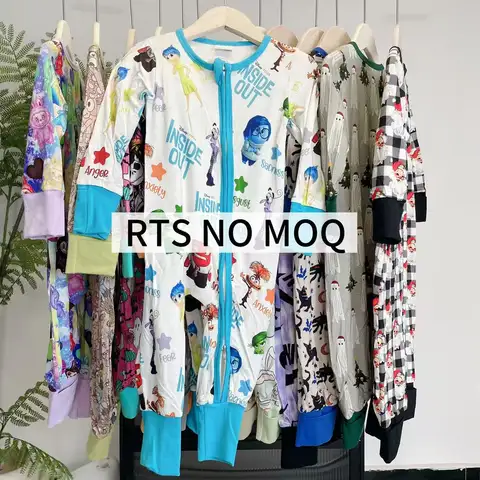
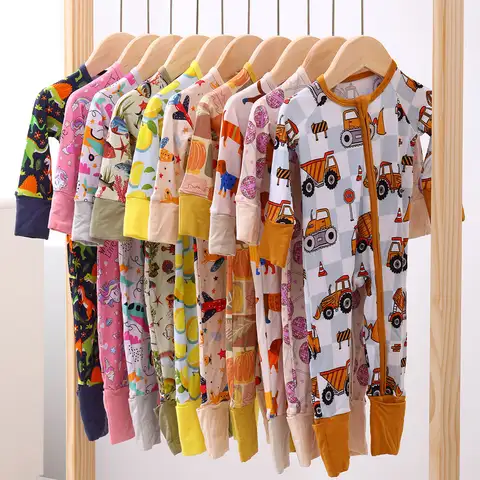
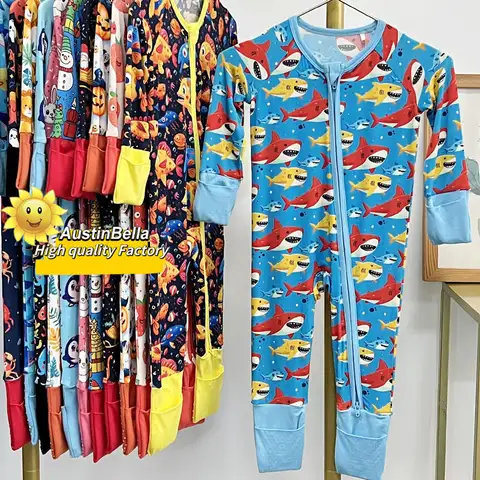
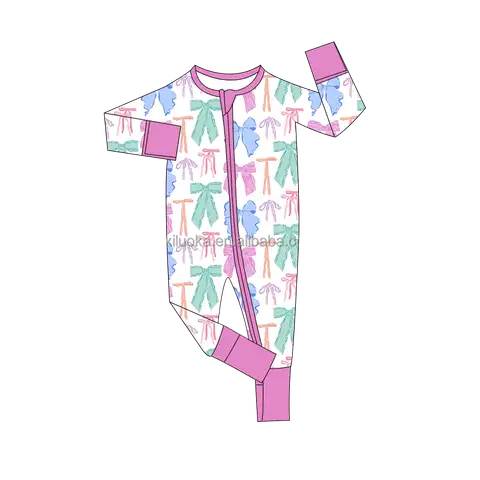
Cpsia Compliant Oeko Tex Pajama 95 Bamboo Viscose Odm Vendor

Understanding Bamboo Viscose and OEKO-TEX Certifications
In today's global market, the demand for sustainable and eco-friendly textiles is at an all-time high. Among these, bamboo viscose has emerged as a popular choice due to its softness, breathability, and sustainable characteristics. However, to ensure safety and quality, products like OEKO-TEX certified pajamas made from 95% bamboo viscose must meet specific legal requirements and undergo rigorous quality control (QC) audits. This article explores these certifications, emphasizing CPC/CPSIA compliance and the importance of quality assurance in the production of bamboo viscose textiles.
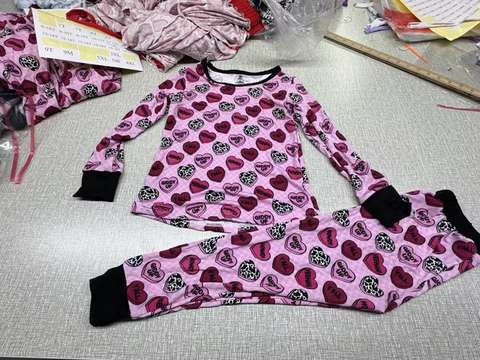
What is Bamboo Viscose?
Bamboo viscose is derived from the bamboo plant through a chemical process that converts raw bamboo into a viscous semi-solid, which is then spun into fibers. The result is a fabric that is not only soft and comfortable but also highly absorbent and breathable. This makes bamboo viscose especially suited for sleepwear, such as pajamas, where comfort is crucial.
OEKO-TEX Certification: An Overview
The OEKO-TEX Standard 100 is a globally recognized certification that ensures textiles are free from harmful substances. For manufacturers of bamboo viscose pajamas, obtaining OEKO-TEX certification signifies that the fabric has been tested for harmful chemicals and is safe for human use. This is especially important for sleepwear, as such items are in constant contact with the skin.
To achieve OEKO-TEX certification, manufacturers must undergo rigorous testing for approximately 100 parameters covering a wide range of chemicals. These include substances such as formaldehyde, pesticides, heavy metals, and phthalates, ensuring the textile’s safety and adherence to international standards.
Legal Requirements: CPC and CPSIA Compliance
The U.S. Consumer Product Safety Improvement Act (CPSIA) and the Children's Product Certificate (CPC) are critical regulations to consider when manufacturing pajamas, especially those intended for children. CPSIA mandates stringent safety guidelines for all children's products, including limitations on lead content, phthalates, and enforceable standards for flammability. The CPC serves as documented proof that these pajamas comply with all applicable children's product safety rules.
Manufacturers of OEKO-TEX certified pajamas made from bamboo viscose must ensure their products comply with these regulations to avoid legal repercussions and uphold safety standards. Regular testing and comprehensive documentation are crucial, allowing manufacturers to demonstrate compliance and reinforce consumer confidence in their products.
Quality Control Audits in Bamboo Viscose Textiles
Quality control audits are essential in the textile industry to maintain the consistency, safety, and quality of products. For manufacturers of 95% bamboo viscose pajamas, QC audits involve several critical processes to ensure that their textiles not only meet but exceed industry standards.
Firstly, the physical properties of the fabric are tested, including tensile strength, seam integrity, colorfastness, and shrinkage during laundry. These tests help ascertain the durability and longevity of the pajamas, ensuring they can withstand regular use without degradation in quality.
Secondly, chemical tests are conducted, which parallel those undertaken for OEKO-TEX certification. These audits ensure continued compliance with safety standards and the exclusion of harmful substances that could affect consumer health.
Additionally, during QC audits, factories conduct process inspections at various stages of production—from the raw bamboo extraction to spinning, weaving, dyeing, and final assembly of the pajamas. These inspections help identify and rectify issues early in the production cycle, mitigating risks of defective batches and ensuring high quality.
Supply Chain Management and Traceability
Effective supply chain management and traceability are integral for ensuring the sustainability and quality of bamboo viscose pajamas. Manufacturers need to meticulously manage their supply chains, from sourcing the raw bamboo to the final delivery of the product.
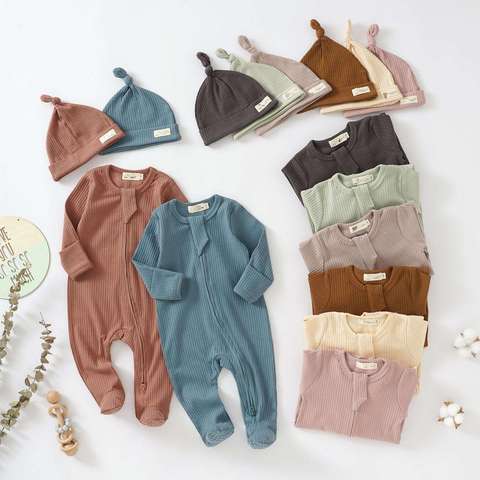
Traceability systems enable manufacturers to track every step of the product's journey, providing transparency and accountability. This traceability is crucial not only for quality assurance and regulatory compliance but also for sustainability, as it ensures that the bamboo used is sourced responsibly without contributing to environmental degradation or unethical labor practices.
The Role of Technology in QC and Compliance
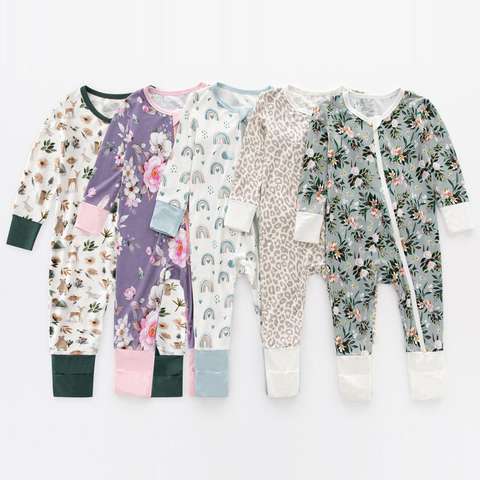
Advancements in technology play a pivotal role in enhancing QC audits and ensuring compliance with CPC/CPSIA and OEKO-TEX standards. The integration of technology such as automated testing equipment, data analytics, and AI-driven inspections into the production process can vastly improve the accuracy and efficiency of quality checks.
, digital tracking systems can enhance traceability and supply chain management, providing real-time updates and enabling swift responses to quality issues or compliance discrepancies.
Producing OEKO-TEX certified pajamas from 95% bamboo viscose is not just about leveraging the material's sustainable and comfortable properties. It encompasses meeting key legal requirements, such as CPC/CPSIA compliance, and maintaining stringent quality control audits to ensure product safety and excellence. Successful manufacturers understand the importance of these processes and deploy comprehensive strategies to address them, ultimately delivering a product that aligns with consumer expectations and contributes positively to the textile industry’s future. By prioritizing these aspects, businesses can better position themselves in the competitive market while supporting global sustainability efforts.
| Fabric Type | Pima Cotton |
| AQL Standard | 2.5 Critical / 4.0 Major |
| Compliance | GOTS Organic |
| Customization | ODM |
| MOQ | 500 PCS |