Custom Romper For Baby Supplier
Introduction to Baby Rompers
Baby rompers are an essential item in an infant’s wardrobe, known for their functionality and comfort. These one-piece garments feature a combination of a shirt and shorts, or shirt and pants, making them an ideal outfit for young children. Rompers are beloved by parents and caregivers for their convenience, as they simplify the task of dressing babies. With snap-button closures or zippers, rompers provide easy access for diaper changes, while ensuring that the baby remains comfortable and warm. Over the years, rompers have evolved in style, fabric, and functionality, keeping pace with the dynamic needs of growing infants.
History and Evolution
The design of rompers can be traced back to the early 20th century when they gained popularity as play clothes for children. Initially, rompers were practical garments intended for both boys and girls, allowing ample freedom for movement. Their popularity surged in the mid-1900s when they became synonymous with casual babywear. Due to their adaptability and usefulness, rompers began to be manufactured in a variety of styles and designs.
By the late 20th century, rompers had transcended their original playful purpose to become everyday apparel for babies, including newborns. Innovations in textiles and fashion led to a wide variety of romper styles, suitable for different occasions and seasons. Today, they come in diverse designs, from simple cotton options to elaborately designed pieces with attached hoods or footsies. The evolution of baby rompers reflects changes in manufacturing techniques and consumer preferences, making them a mainstay in the baby apparel industry.
Materials Used in Baby Rompers
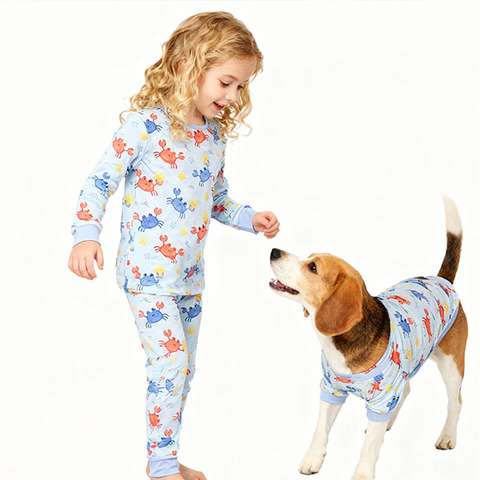
Selecting the appropriate fabric for baby rompers is crucial to ensure the baby’s comfort and safety. Cotton is the most commonly used material due to its breathability, softness, and excellent moisture absorption properties. Organic cotton is often preferred as it minimizes exposure to chemicals and allergens. In addition to cotton, other fabrics such as bamboo, jersey knit, and terry cloth are used, each offering unique benefits tailored to different climatic conditions.
Bamboo fabric is appreciated for its hypoallergenic properties and sustainability. It is both soft and breathable, making it ideal for summer rompers. Jersey knit, typically a blend of cotton and synthetic fibers, provides stretchability and resilience, accommodating rapid growth in babies. Terry cloth is primarily used in bath-time rompers due to its absorbent nature, which keeps infants dry and comfortable post-bath. Regardless of the fabric chosen, the priority in baby romper design remains on ensuring the baby's comfort, skin safety, and ease of movement.
Design and Styles
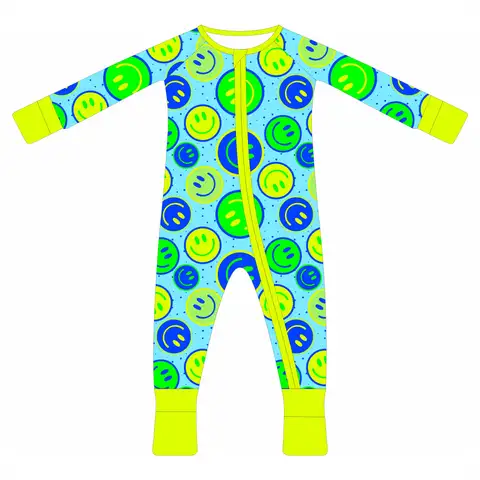
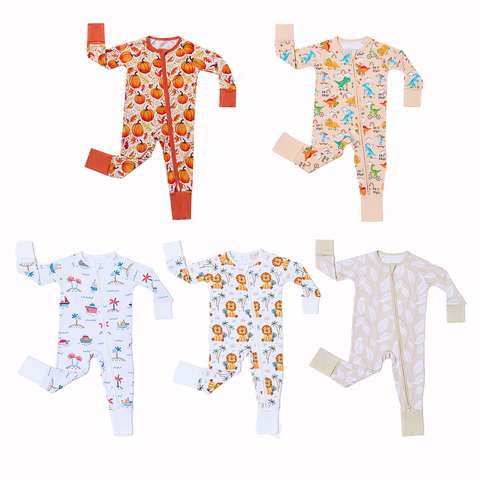
The design of baby rompers is diverse, catering to a wide range of tastes and functional needs. Simple rompers with short sleeves and legs are perfect for warmer climates, allowing babies to remain cool while permitting free movement. Alternatively, long-sleeved rompers with foot coverings are ideal for cooler weather, offering additional warmth.
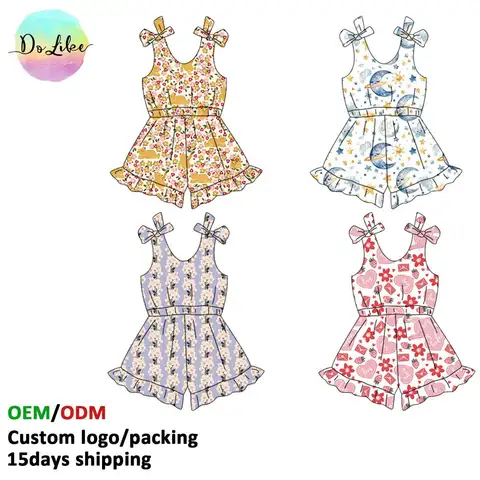
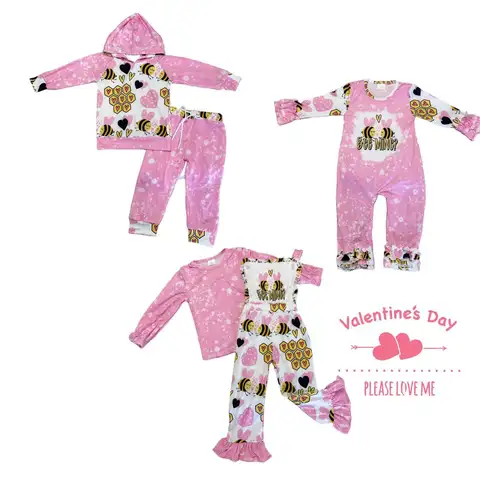
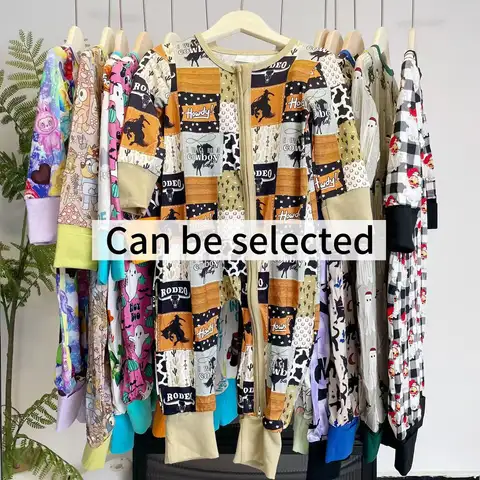
Beyond practical considerations, baby romper designs often incorporate charming motifs and colorful patterns to appeal to aesthetic sensibilities. Some feature adorable animal prints, stripes, and polka dots. Others might have decorative elements like ruffles, bows, or embroidery for added charm. Themed rompers based on popular characters or holidays provide additional variety for parents looking to dress their babies for specific occasions. Regardless of style, rompers prioritize comfort and accessibility, ensuring that caregivers can easily dress and undress infants as required.
Benefits of Using Baby Rompers
Baby rompers offer numerous benefits that make them a preferred choice for infant apparel. One of the primary advantages is their practicality. The one-piece design simplifies dressing, allowing parents to avoid the hassle of coordinating separate tops and bottoms. This convenience extends to managing diaper changes, which can be swiftly accomplished thanks to strategically placed snap closures or zippers.

Apart from practicality, rompers are recognized for their comfort, providing sufficient room for infants to wriggle and move naturally without restrictions. The soft and gentle materials ensure that sensitive baby skin is not irritated. Additionally, the absence of tight elastics around the waist helps in avoiding potential discomfort or rashes.
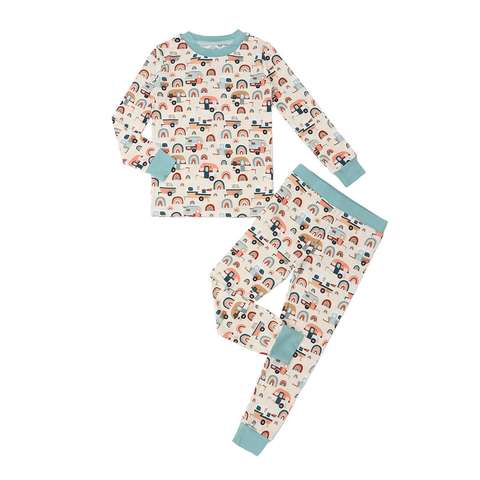
| Fabric | Bamboo/Cotton |
| Compliance | GOTS Organic |
| MOQ | 500pcs |
Safety is another critical aspect, as rompers reduce the risk of suffocation or entanglement that might occur with loose blankets or clothing items. With rompers, parents can assure themselves that their babies are snugly dressed, contributing to restful sleep and peaceful play.
Buying Guide for Baby Rompers
When purchasing baby rompers, several factors should be considered to ensure the best fit and comfort for the infant. It is advisable to choose rompers made from natural, breathable fabrics that are kind to the baby’s skin. Consideration of size is vital; it is better to choose a size slightly larger to accommodate the baby's growth rather than a snug fit.
Checking the ease of access for diaper changes is also crucial. Rompers that include convenient opening features such as snap buttons between the legs or zippers that extend to the ankles can save time and effort. Pay attention to the quality of fasteners and ensure they are secure yet easy to manage.
The design and pattern should suit the baby's everyday needs and reflect the parent’s style preferences. Practicality should be balanced with aesthetics, allowing for both functional daily use and the occasional opportunity to dress up. By carefully considering these aspects, parents can select rompers that offer the utmost in comfort, ease, and style for their little ones.