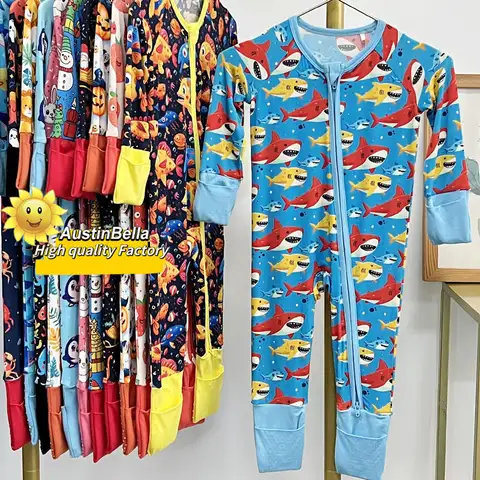
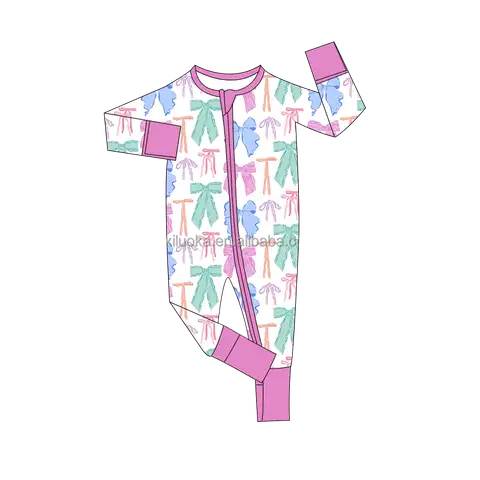
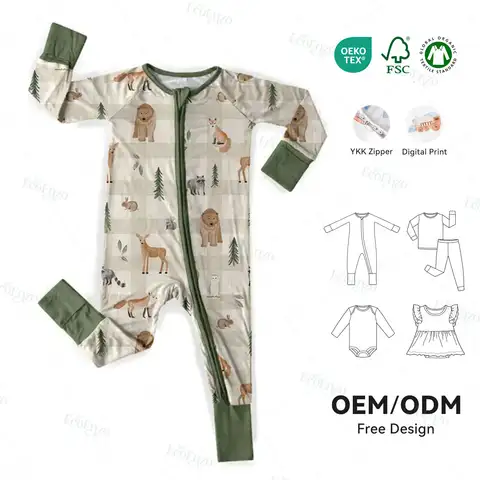
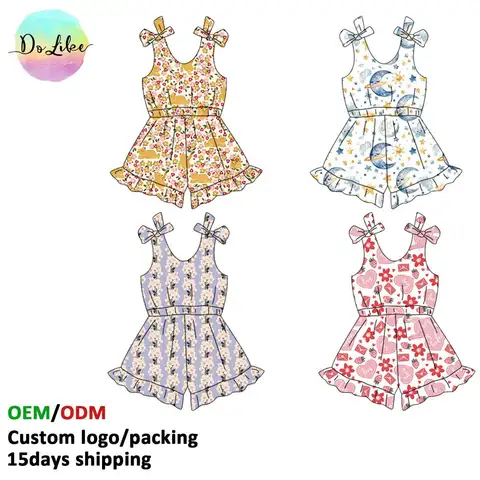
Direct Factory Top Unisex Spring Baby Clothes
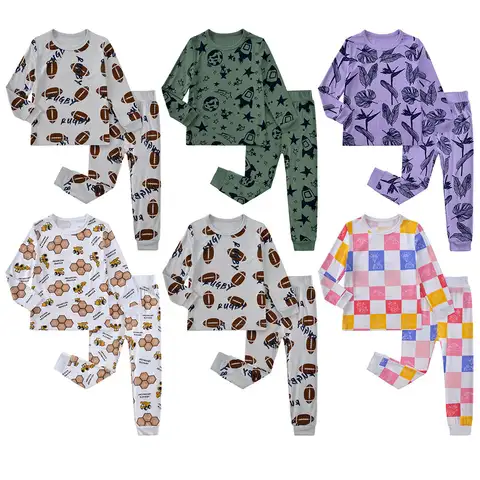
1. Aesthetic Design for Unisex Spring Baby Clothes: Simplicity and Elegance
The visual language of unisex Spring Baby Clothes leans into soft tonal gradients, muted pastels, and timeless patterns that transcend seasonal whims. For Spring 2024, designers are borrowing from nature itself—think honeyed yellows, dew-speckled greens, and sky-inspired blues. These soothing palettes align with post-pandemic demand for serenity and nostalgia in baby fashion.

Texture plays a pivotal role in achieving a premium aesthetic. Ribbed knit finishes, feather-touch soft fleece linings, and organic cotton with a brushed feel are key tactile elements for unisex Spring Baby Clothes B2B Export Quality. The GSM (grams per square meter) standard must hover between 140 and 200 to maintain lightweight breathability suitable for Spring while ensuring fabric durability.
Print and pattern choices remain gender-neutral yet playful. Foliage motifs, abstract geometry, and watercolor splashes align with consumer trends seeking an artisanal high-end appearance. It’s crucial to maintain panel alignment precision within ±3 millimeters to ensure consistency across production batches while preserving the intended aesthetic.
2. Ergonomic Excellence in Unisex Spring Baby Clothes
Ergonomic design principles in unisex Spring Baby Clothes focus on mobility, comfort, and flexibility. A baby's body undergoes rapid growth, necessitating construction methodologies that offer adaptability without compromising fit. Implementing stretchable ribbed cuffs and elastane-blended waistbands ensures essential give-and-take for moment-to-moment movements.
Snap plackets designed for one-handed operation cater to caregivers’ ease while reducing stress on seams—especially critical in unisex Spring Baby Clothes B2B Export Quality. Double-reinforced lockstitch precision ensures seam durability meets or exceeds AQL 2.5 standards in high-stress zones such as shoulder panels and inseams.
Breathability is non-negotiable. Optimally designed ventilation gussets and flatlock stitching techniques reduce potential skin irritation. Classic kimono wraps and envelope necklines enhance ergonomic utility by minimizing fabric bunching around delicate areas like the neck and underarms. Each ergonomically designed garment should undergo wear testing simulating a 12-hour infant activity cycle to validate mobility thresholds and caregiver interaction efficiencies.
3. The Role of Color Psychology in Unisex Spring Baby Clothes
Color psychology enriches the perceived quality and desirability of unisex Spring Baby Clothes. By understanding the emotional resonances evoked by specific shades, manufacturers can shape buyer intent. For Spring collections, pastel yellows evoke warmth and positivity, while soft greens symbolize growth and harmony—aligning perfectly with both parental aspirations and ecological mindfulness.
Neutral bases such as oat, lavender-gray, and cloud cream appeal to the growing preference for minimalism and heirloom aesthetics, making them essential for unisex Spring Baby Clothes B2B Export Quality. Color fastness must meet ISO 105-C06 standards, especially for lighter hues that are susceptible to fading through wash cycles.
Monochrome palettes interspersed with small pops of energetic colors like coral or aqua inject playfulness without overwhelming the garment’s neutrality. Careful thought should be given to transitioning shades within a single piece; ombre effects should exhibit a smooth gradient measurable to Delta E ≤ 3 consistency across production runs.
4. Material Selection and Certifications for Unisex Spring Baby Clothes B2B Export Quality
Material selections directly impact the functionality, durability, and perception of unisex Spring Baby Clothes. Organic GOTS-certified cotton remains the gold standard for its hypoallergenic properties and sustainable farming ethos. Blending bamboo fiber for softness and natural antibacterial resistance is another forward-looking innovation increasingly in demand.
Compliance with OEKO-TEX® Standard 100 guarantees textiles tested for more than 300 harmful substances, certifying them as baby-safe. Each fabric batch for unisex Spring Baby Clothes B2B Export Quality should undergo mechanical testing for tensile strength (ISO 13934-1) and pilling resistance (ISO 12945-2) to ensure product longevity under real-world conditions.
Energy-conscious dyeing processes such as cold vat dyeing not only enhance ecological sustainability but also reduce the likelihood of uneven pigment coverage—a noted concern in lightweight fabric applications.
5. Seam Architecture and Mechanical Endurance
Precision in seam architecture ensures unisex Spring Baby Clothes stand the test of time. Flatlock seams, with their low-profile and skin-friendly design, are particularly aligned with infant comfort. The seam allowance should be executed with meticulous accuracy, considering infant dermatological needs—a maximum thickness of 2mm is recommended to avoid undue pressure on sensitive skin.
The stitching method plays an integral role in achieving mechanical endurance and longevity. Employing 5-thread overlock machinery guarantees minimized risk of seam bursting under fabric tension. For garments with decorative stitching, double-needle stitching should meet a tolerance of ±0.5 mm stitch consistency to foster an upscale finish crucial for unisex Spring Baby Clothes B2B Export Quality.
Elastic thread should incorporate 65% polyurethane elastomer to balance stretch and recovery capabilities. This ensures garments maintain shape integrity over successive wears and washes, a critical feature for high-turnover collections within the B2B export market.
6. Functional Accessories and Detailing
Accessories add depth and function to unisex Spring Baby Clothes. Innovative reversible designs—where contrasting interiors allow for versatile wear—are garnering favor among distributors seeking added value propositions. Careful compatibility testing of hooks, buttons, and zippers during production is crucial to meet child-safety choking hazard regulations (under EN 71-1).
For snaps, opting for nickel-free options reduces the likelihood of contact dermatitis reactions. Meanwhile, custom embossed buttons featuring whimsical motifs add cohesive storytelling elements to the overall garment. All hardware attachments should pass pull-force resistance testing of minimum 70 Newtons under ISO 8124 to comply with international safety benchmarks for unisex Spring Baby Clothes B2B Export Quality.
Finally, internal garment labeling—crafted from thermoplastic elastane—prevents discomfort caused by rigid tags. Seam-to-label attachment methods demand lockstitch designs for a seamless aesthetic and additional durability under repeated laundering at 40°C standard washing conditions.
7. Sustainability Drivers and Eco-Aesthetics in Unisex Spring Baby Clothes B2B Export Quality
Sustainability has transcended trend status to become a core demand in the production of unisex Spring Baby Clothes. Incorporating materials like recycled polyester or regenerative organic-certified (ROC) cotton assures retailers that ethical sourcing principles guide the manufacturing process. These attributes, when clearly communicated, significantly impact market receptiveness.
Producing sustainable unisex Spring Baby Clothes B2B Export Quality calls for adopting waterless dye techniques, which slash industrial water consumption by up to 50%. Biodegradable thread options composed of lyocell or PLA encourage a cradle-to-cradle lifecycle for disposed garments. Packaging innovated with compostable materials further delineates premium brands from their less eco-conscious counterparts.
Transparency in supply chain certification—whether from WRAP (Worldwide Responsible Accredited Production) or Fair Trade USA—instills consumer and retailer trust. Engrained sustainability practices are no longer optional but prerequisites for market relevance and growth.
| Quality Audit | Intertek |
| Standard Production Data | Custom Bamboo Pajamas |
| Industrial Application Parameter | Bamboo Pajamas Ruffle |
| Base Composition | Bamboo 664nd Gen |
| Eco Index | 92% Certified |
| Lead Time | 43 Days |
8. Market Trends and Wholesale Viability for Unisex Spring Baby Clothes
The wholesale competitive landscape for unisex Spring Baby Clothes is shaped by increasing buyer demand for cohesive collections that marry sustainability with emotional narratives. Capsule collections focusing on storytelling—such as “Bloom Baby” highlighting floral prints or “Morning Meadow” featuring tranquil hues—are proving particularly lucrative.
Global consumer markets reveal emerging preferences for packaging designed with multi-use innovation, such as drawstring bags or upcycled fabric gift-wraps, enhancing perceived value in unisex Spring Baby Clothes B2B Export Quality. Offering sustainable tiers—‘entry,’ ‘premium,’ and ‘luxury’—based on material and detailing sophistication, can capture a broader demographic spectrum.
To ensure wholesale scalability, cutting-edge machinery like automated fabric spreaders with infrared defect detection reduces per-piece production cost variability. Retailers demand not only aesthetic value but price-per-unit transparency supported by MOQ (minimum order quantity) flexibility starting as low as 300 units in diversified SKUs. Adhering to these requirements strengthens supplier credibility in B2B markets.