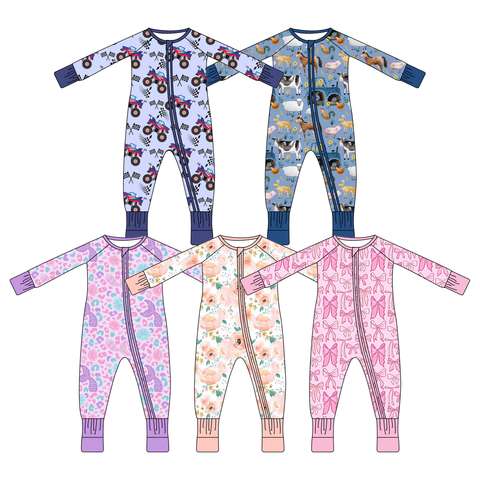
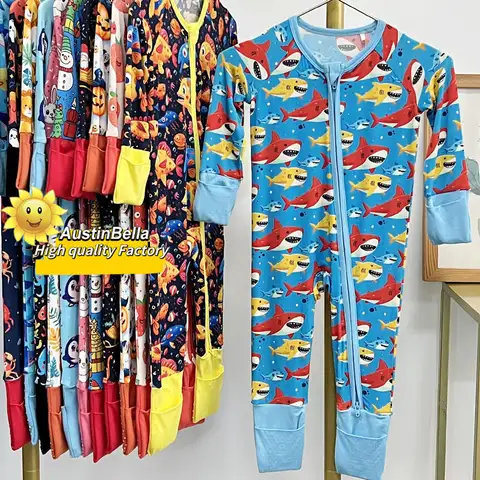
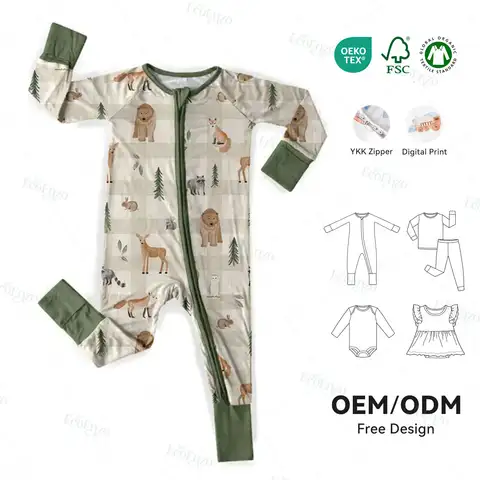
Factory Custom Kids Clothing Wholesale Top
Seam Strength Guidelines for Custom Kids’ Clothing
Introduction to Seam Strength in Kids’ Apparel
Seam strength plays a critical role in the production of kids' clothing. Children subject their garments to significant strain—whether during play, at school, or through regular wear and tear. Weak seams can fail prematurely, leading to safety hazards, customer dissatisfaction, and damage to a brand’s reputation. Establishing a robust process for achieving strong seams is essential for delivering high-quality, durable apparel suited for active children.
Challenges Specific to Kids’ Clothing
Designing and manufacturing kids’ clothing comes with unique challenges. First, garments need to accommodate frequent movement and stretching. Second, fabrics used for kids’ apparel tend to be softer and more flexible, which places extra importance on seam integrity. Finally, safety standards often require reinforced construction to prevent hazards like unraveling or choking on detached pieces. Addressing these challenges requires a detailed approach to seam strength.
Choosing the Right Fabric and Thread
Begin by selecting materials compatible with your end goal. Lightweight fabrics like cotton are common in kids’ clothing, but these require reinforced stitching to handle stress. For stretchable fabrics, such as jersey or knits, opt for threads with high elasticity to avoid seam breakage. Polyester or nylon threads are good choices for both strength and durability. Ensure that the thread gauge aligns with the material weight; heavier fabrics require thicker thread to maintain seam strength.
Prioritizing Stitching Techniques
Stitch selection directly impacts seam strength. Double-stitching and reinforced stitching are recommended techniques for areas subject to high friction and tension, such as knees, elbows, and side seams. Overlocking is essential for stretchable garments to maintain flexibility without compromising seam durability. For woven fabrics, lockstitch seams work well for straight edges, while flat-felled seams offer added durability in kids’ denim or outerwear.
Set standard stitch length during production. Shorter stitches typically strengthen seams but may stiffen the garment. Test stitch lengths to balance flexibility and strength, ensuring comfort for the wearer.
Implementing Quality Control Measures
Seam strength should be tested systematically in your production line. Conduct pull tests to measure the seam’s ability to withstand force without tearing. Evaluate high-stress points, including armholes, leg openings, and pocket attachments. Use industry-standard measurement equipment to ensure precision and uniformity across samples.
During production, inspect all machines for proper tension and needle condition. A dull or damaged needle can weaken seams by causing skipped stitches or frayed threads, compromising structural integrity. Schedule regular machine maintenance to avoid these issues.
Adhering to Safety Standards
Compliance with safety standards is non-negotiable in kids’ clothing. Regulatory bodies often mandate guidelines addressing seam construction to avoid risks such as loose threads or detached components. Reinforced stitching along stress points helps ensure durability while meeting safety requirements. Always test final products to verify that seams meet legal and ethical standards.
Training Your Workforce
Seam strength depends on the consistency of workmanship. Regular training for sewing teams ensures machine operators follow best practices, such as maintaining consistent tension and implementing the correct stitch patterns. Train employees to recognize weak or defective seams early in the process to reduce material waste and customer complaints.

Investing in High-Quality Equipment
Modern machinery equipped with advanced features like automatic tension adjustment and programmable stitch patterns can improve seam strength and production efficiency. While the upfront cost may be higher, the reliability and precision offered by these machines reduce long-term production costs associated with repairs and rework.
Conclusion: Seam Strength as a Competitive Advantage
Strong seams are the backbone of durable kids’ clothing. Prioritizing fabric and thread choices, implementing robust stitching techniques, introducing strict quality controls, and investing in employee training and equipment can significantly enhance product performance. These practices not only meet market demands but also elevate your reputation in the competitive kids’ apparel industry.