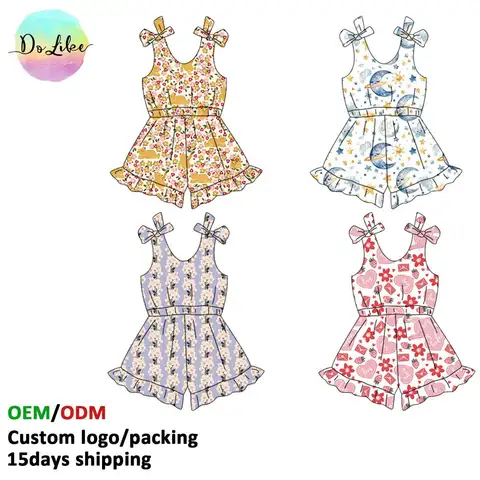
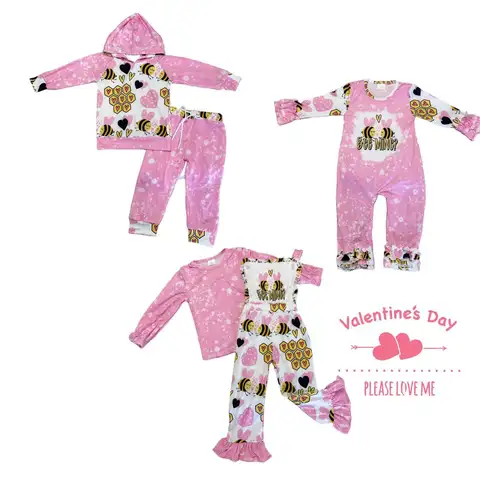
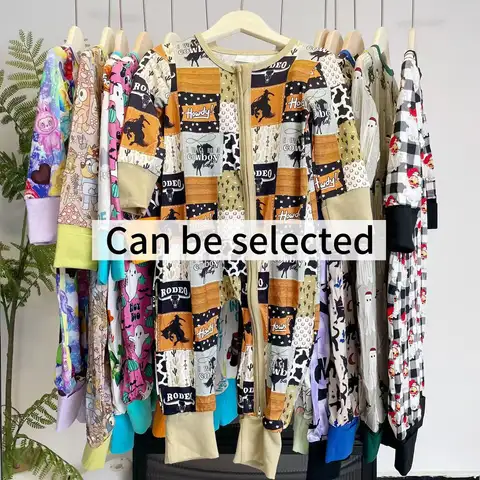
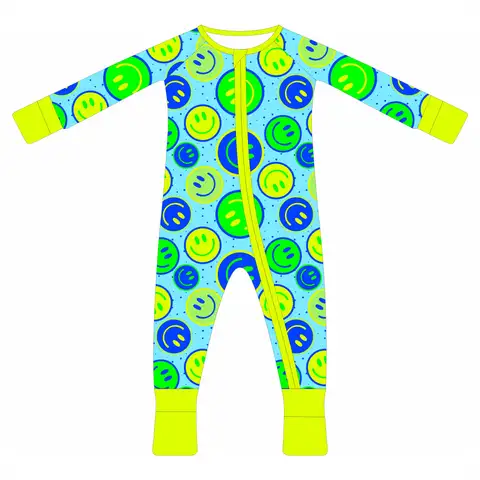
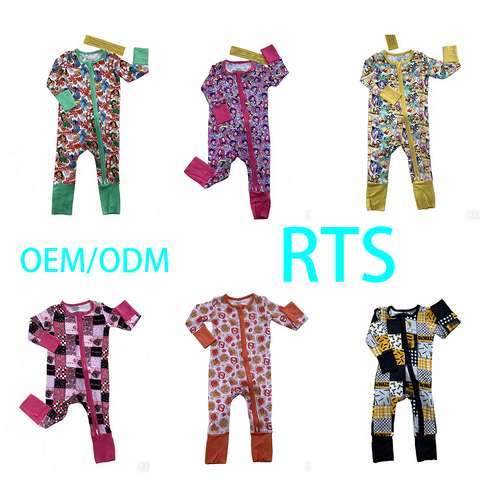
Factory Direct Summer Bamboo Baby Sleepsuit Hospital Newborn Gift Set Sensitive Skin Bamboo Romper
Optimizing Seam Strength in Bamboo Baby Sleepsuits Production
Focus on Stitching for Bamboo Baby Fabric
Bamboo fabric is highly favored for baby products due to its softness, breathability, and hypoallergenic properties. However, the same qualities that make it ideal for delicate newborn skin also present challenges in production. One key issue is seam strength. As the fabric is lightweight and stretchy, improper handling during stitching can lead to weak seams, affecting the durability of the final product. For the ‘Summer Bamboo Baby Sleepsuit Hospital Newborn Gift Set,’ consistent seam integrity must be prioritized.
Selecting the Right Threads
A crucial factor in achieving strong seams is the thread type. Standard polyester threads work well, as they provide strength while allowing some flexibility. Threads with too much elasticity can cause puckering, while rigid threads may lead to seam failure over time. Ensure that the chosen thread complements the inherent stretch of the bamboo fabric without compromising seam structure.
Needle Choice for Precision
The wrong needle can cause runs, holes, or skipped stitches, all of which weaken the seam. For bamboo fabric, use a ballpoint needle in sizes 70/10 or 75/11. Ballpoint needles pierce between the fibers rather than tearing them, maintaining the integrity of the material. Ensure regular needle checks on the production line and replace any blunt or damaged needles immediately.
Seam Type Recommendations
Flatlock seams are highly effective for bamboo baby rompers due to their comfort and strength. These seams lie flat against the skin, reducing irritation, which is critical for newborns with sensitive skin. Conduct stress tests during production to guarantee the seams can endure stretching and handling without breaking. Overlocked seams can also be used, but ensure they are finished neatly to prevent thread unraveling.

Machine Settings for Bamboo Fabric
Train machine operators on optimal settings for bamboo fabric. Set the tension slightly lower than for cotton or other non-stretch materials. A moderate stitch length of 2.5mm to 3mm is generally appropriate. Test-stitch before full-scale production to confirm compatibility and adjust accordingly.
Handling Stretch in Design
Design considerations play a role in seam longevity. Ensure that high-stress areas, such as underarms and crotches, are reinforced. Add double stitching in these sections without compromising fabric elasticity. Use consistent patterns to allow for exact cuts, as improperly aligned pieces can cause excess strain on the seams during wear.
Quality Control Measures
Implement strict quality control protocols at every stage of production. Use pull tests to check seam strength and ensure all products meet durability standards before packaging. Spot-check completed sleepsuits for even stitching, clean finishes, and appropriately aligned seams. Document any recurring issues and address them swiftly through adjustments to machinery or operator training.
Packaging Considerations
The final step is ensuring the product remains in impeccable condition during transport and delivery to hospitals or retailers. Avoid sharp folding that could overly stress sewn areas. Use gentle padding in packaging to protect the finished newborn gift sets from creases or damage.