Factory Top Checkered Bamboo Pajamas China
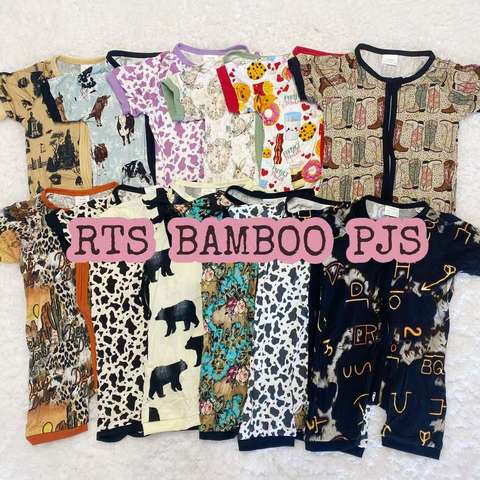
Building Seam Strength For Checkered Bamboo Pajamas: A Production Guide
Seam integrity is critical for ensuring the durability of checkered bamboo pajamas. Retailers purchasing these products expect high performance from the seams and demand assurance that garments won't split or fray under typical wear and wash conditions. As a production line manager, prioritizing seam strength in both design and manufacturing processes is non-negotiable. This guide outlines actionable strategies to optimize sewing reliability for checkered bamboo pajamas.
1. Material Familiarity: Understanding Bamboo Fabric
Bamboo fabric, particularly in its checkered form, offers softness, breathability, and eco-friendly appeal. However, its smooth texture and tendency to stretch introduce challenges for seam stress points. Manufacturers should assess fabric behavior under tension and adjust operations accordingly. Regular testing with tensile equipment helps identify how bamboo responds to stress within a seam and informs thread and stitch type selection.
2. Optimal Thread Selection
Thread choice directly impacts seam strength. Polyester or polycore threads are recommended for sewing bamboo pajamas, as they provide the durability and elasticity necessary to withstand stretching movements. Avoid cotton or rayon threads, which deteriorate under repeated washing or high-tension scenarios.
Implement thread testing during initial setup. Seam samples should be pulled manually and under machinery to ensure thread integrity aligns with bamboo fabric’s texture.
3. Configure Sewing Machines Precisely
Optimize machine tension settings to avoid issues like puckering or skipped stitches. Machines should be calibrated for bamboo’s specific thickness and flexibility. Overlock stitching is preferred for bamboo pajamas due to its ability to join checkered panels securely without compromising elasticity.
Double-check alignment of cutting tools to prevent imprecisely trimmed edges, which reduce seam strength. Misaligned cuts weaken stitched points and encourage fabric frays over time.
4. Stitch Types For Lateral Movement Protection
- Flatlock stitching: This stitch minimizes bulk around seams while offering smooth, strong closures ideal for bamboo pajamas.
- Zigzag stitching: Useful for reinforcing areas that experience dynamic movement, especially waistbands and cuffs.
- Double topstitch: Adds a second layer of stitching for durability and aesthetic finish, particularly beneficial for checkered patterns.
For pajamas, emphasis should be placed on the flexibility of the stitch to complement the fabric’s natural stretch. Tight, rigid seams are prone to breakage and customer dissatisfaction.

5. Reinforcement Strategies
Seams in high-stress zones like underarms, crotches, and shoulder areas demand extra reinforcement. Bar tacking at crucial stress points enhances seam durability for these areas. Couple this with an additional seam allowance where stretching and pressure are frequent, especially in the dynamic sections of pajamas.
Ensure production teams mark reinforcement areas during pre-sewing inspections to reduce errors.
6. Quality Control Checkpoints
Inspection protocols should include pulling tests and wash trials to detect potential seam failures. Random samples from each batch should undergo 360-degree stress testing. Stitch strength evaluations must account for fabric tension variance seen in checkered patterns compared to solid bamboo weaves.
Document any recurring issues to streamline future adjustments in equipment or design specifications. Feedback loops between the production line and design team prevent recurring failures.
7. Training Production Staff
Operators must maintain proficiency in handling bamboo fabric and checkered patterns. Conduct biannual training sessions on stitch optimization, machine calibration, and inspection protocols. Reinforce the importance of precision in cutting, sewing, and handling fabric throughout the pajama assembly workflow.
Provide clear visual diagrams and examples during training sessions, especially when demonstrating reinforcement techniques like bar tacking and double topstitch applications. Keep staff updated on new seam technologies that improve durability.
8. Collaboration With Designers
Work with designers during prototyping phases to integrate seam-friendly designs. Strategic pattern shaping reduces strain points by avoiding unnecessarily tight cuts and sharp fabric angles. Checkered panels should be matched meticulously to prevent irregular seam alignment. Proper design reduces production line disruptions caused by excessive seam tension adjustments.
Open communication between production and design teams ensures that the seam layout prioritizes both aesthetic appeal and durability.
Key Metrics And Goals
Track success with clear metrics such as seam failure rates per batch, customer feedback, and production lead times. Reduced seam repair rates and cleaner inspections signal progress. Aim for a seam durability rating that ensures pajamas withstand at least 50 wash cycles without degradation.
Consistently meeting durability expectations builds long-term relationships with B2B clients by ensuring they can deliver high-quality products to their customers.