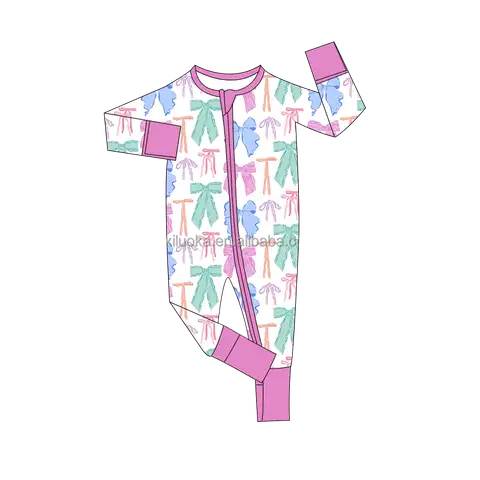
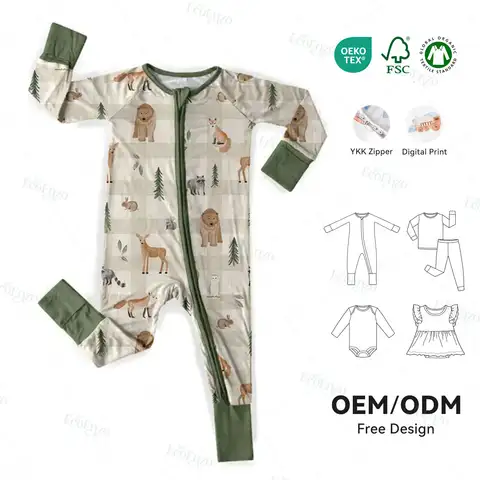
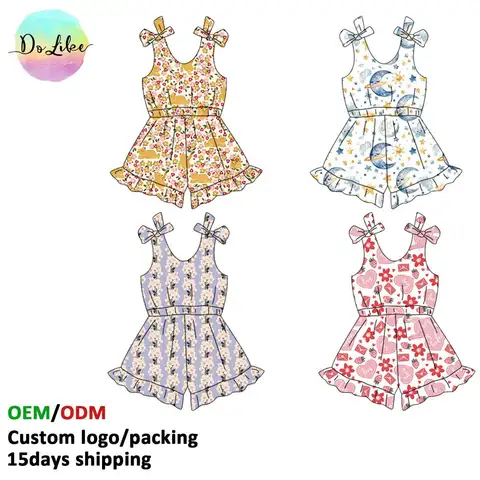
Gots Organic Baby Clothes Bamboo Odm Exporter
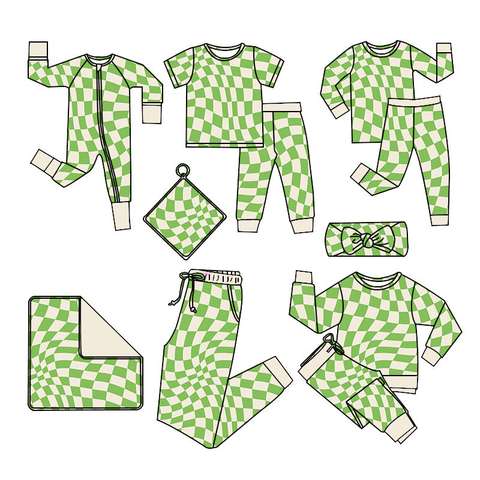
Understanding CPC/CPSIA Legal Requirements for Baby Clothes Made from Bamboo
In the world of baby clothing, ensuring compliance with regulatory standards is just as crucial as producing garments that are comfortable and stylish. Bamboo, favored for its softness and eco-friendliness, has surged in popularity in recent years as a material for baby apparel. For manufacturers and suppliers looking to break into this market, understanding the Consumer Product Safety Improvement Act (CPSIA) and the protocols for acquiring a Children’s Product Certificate (CPC) is vital. These laws and certifications ensure that products are safe for infants, satisfying both legal obligations and consumer expectations.
The Importance of Compliance
Compliance with the CPSIA and having a valid CPC is mandatory for manufacturers and importers of baby clothes in the United States. The CPSIA was enacted to improve the safety of consumer products, focusing particularly on those intended for children aged 12 and under. Bamboo baby clothes, like all children’s apparel, must comply with these stringent regulations. Adhering to these rules is not only crucial for entering and thriving in the U.S. market but also for maintaining brand reputation.
Key CPSIA Requirements for Baby Bamboo Clothing
- Lead Content: CPSIA stipulates limits on the amount of lead that can be present in children’s products. For textiles, the presence of lead is assessed in all possible components, including zippers, buttons, and decorative elements.
- Phthalates Restriction: Products utilized by children must not contain more than 0.1% of specific phthalates. This is particularly significant in printed clothing where plasticized inks might be used.
- Flammability Standards: Under the Flammable Fabrics Act, clothing must not be highly flammable. Bamboo fabric, known for being less flammable than cotton, often complies easily with these regulations, although testing remains nevertheless obligatory.
- Tracking Labels and Batch Identification: Every product must bear a permanent distinguishing marker or label to enable tracking, containing detailed information helpful in the case of a recall or defect discovery.
- Third-Party Testing: Testing must be conducted by a CPSC-accepted laboratory to confirm compliance with the aforementioned requirements.
The Drafting of a Children's Product Certificate (CPC)
A CPC is a vital document that confirms compliance with applicable children's product safety rules. The certificate must include an array of specific details: product information, test results from a CPSC-accredited laboratory, and identification of the manufacturer or importer. Businesses must ensure each batch of baby bamboo clothes is supported by an updated CPC, reflecting adherence to current standards.
Quality Control (QC) Audits for Baby Clothing
The manufacturing of baby clothes, particularly using materials like bamboo, demands rigorous quality control (QC) practices to avoid potential safety issues and to deliver high-quality products. QC audits in the apparel production process are essential to not just maintain compliance, but also to foster trust with retailers and end consumers.
Defining QC Audits
Quality control audits in the textile industry are systematic examinations of a product to determine whether it meets the specified criteria and standards. In the case of baby clothing manufactured from bamboo, these audits scrutinize several aspects of the product's structure and composition.
Key Components Assessed During QC Audits
- Fabric Quality: Ensuring that the bamboo fabric maintains its hypoallergenic properties and is free from harmful chemicals during processing.
- Seam and Stitch Quality: Inspecting for durability and uniformity, particularly in areas that may come in contact with sensitive skin.
- Label and Tag Placement: Verifying that labels do not irritate the skin and are securely attached.
- Final Product Inspection: Checking the articles against provided specifications for sizing, fit, and finish quality.
The Role of Technology in QC Audits
Today’s auditing processes make use of advanced technology and software that can facilitate more efficient and detailed inspections. Automated QC solutions, coupled with human oversight, can greatly enhance the accuracy of inspections, significantly reducing the risk of batch defects.
Benefits of Consistent QC Audits
For manufacturers, regular QC audits offer several advantages. They mitigate the risk of expensive recalls, enhance consumer trust, and are a reflection of the company’s commitment to excellence. For baby clothing made from bamboo, whose primary market differentiators are safety and comfort, this can distinguish a brand in a competitive marketplace.
| Fabric Type | Pima Cotton |
| MOQ | 100 PCS |
| Customization | OEM |
| AQL Standard | 2.5 Critical / 4.0 Major |
| Lead Time | 28 Days |
Adhering to CPSIA requirements and maintaining robust QC audit processes are integral to the production lifecycle of bamboo baby clothes. By understanding and implementing these legal and quality frameworks, manufacturers not only ensure compliance but also build trust with their business partners and customers, paving the way for long-term success in the competitive baby clothing market.