Mommy And Me Sets Direct China Top
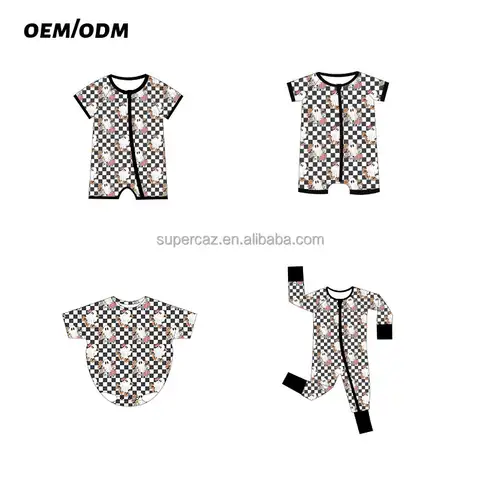
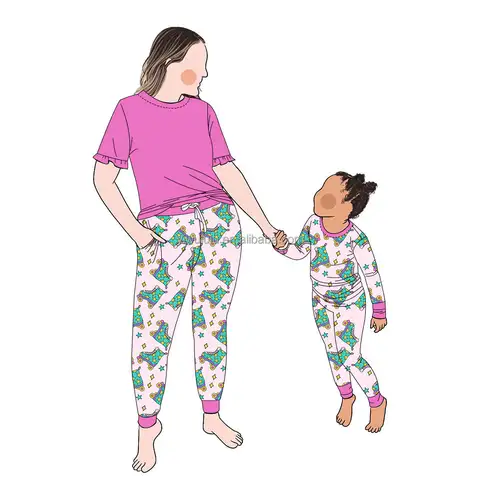
The expanding market for mommy and me sets reflects a growing demand for cohesive family fashion. Retailers are embracing these sets for their cross-generational appeal, often targeting parents looking for practicality blended with style. This guide dissects the essential components of designing, producing, and distributing mommy and me sets with a specific emphasis on aesthetic appeal, the psychology of colors, and ergonomic considerations.

Aesthetic Appeal Strategies in Mommy and Me Sets
Designing mommy and me sets demands a delicate balance between visual harmony and individuality for infant and adult wear. Fabrication plays a key role, where textiles with superior drape and minimal pilling resistance (Pilling Grade 4 or higher under ASTM D3512 standards) allow for visually appealing and durable outfits. Look for cotton-spandex blends or modal fabrics that offer a smooth finish while resisting fabric fatigue.
Prints and patterns utilized in mommy and me sets must intertwine sophistication for the parent and playfulness for the infant. For instance, muted florals or monochromatic stripes create a streamlined look that resonates across ages without overwhelming infant wear. Accent elements like ruffles for toddlers and pleats for moms provide enough diversity within an overarching unified aesthetic.
Designers should also consider seasonality. Lightweight pastels are ideal for spring collections, while saturated jewel tones, supported by Pantone trends, dominate fall releases. Placing emphasis on synchronized palettes between the adult and infant pieces strengthens the cohesive appeal of mommy and me sets.
Understanding the Impact of Color Psychology
Color selection is pivotal when designing successful mommy and me sets, leveraging the psychological impact of hues on mood and perception. Blues, which evoke trust and tranquility, frequently work well for coordinated loungewear. In contrast, warm yellows and peaches are widely associated with happiness and vitality, making them excellent choices for summer and outdoor collections.
Neutral palettes, such as beige, taupe, and shades of gray, offer a timeless perspective, appealing to modern families leaning toward minimalism. Colorfastness testing under ISO 105-C06 standards ensures that hues maintain their vibrancy through multiple washes, an essential quality criterion for infants who require frequent laundering.
Beyond conventional hues, experimental colorways inspired by biophilic design trends, like moss greens and earthy terracottas, cater to parents seeking a lifestyle-oriented connection to nature. Infusing child-friendly motifs—stars, moons, small animals—into these colors can enhance the infant-specific appeal without resorting to overly saturated tones that strain the visual harmony of mommy and me sets.
Ergonomic Design: Prioritizing Comfort Across Age Groups
Mommy and me sets must adhere to ergonomic principles to meet the distinct mobility needs of children and adults. For infants, considerations of soft, hypoallergenic textiles are paramount. GOTS-certified organic cotton, bamboo blends, or Oeko-Tex Standard 100-certified materials ensure fabric safety while offering flexibility and breathability. For mothers, spandex-infused weaves provide natural stretch without compromising the garment’s silhouette.
Seam placement is another cornerstone in an ergonomic design. For infant garments, flatlock seams eliminate potential irritation, while hidden support elements—such as soft elastics—enhance functionality for parental wear. Matching jumpsuits or dresses, for example, should incorporate inverted pleats for unrestricted infant movement and decorative ties for mothers, producing a visual bond without functional disparity.
Size gradation must accommodate for parents and children across diverse demographics. Grading rules should specifically address the discrepancy between body shapes, ensuring that infant wear maintains full range-of-motion functionality while adult wear adheres to market sizing conventions. Pattern blocks designed for these requirements can streamline production benchmarks for mommy and me sets.
Fabric Testing and Quality Assurance for Mommy and Me Sets
The production pipeline for mommy and me sets should enforce rigorous quality checks to meet industry standards like AQL 2.5 for minor defects. Durability tests simulating toddlers' active movements can reveal whether bonding strength, stretch recovery, or seam stability falls short of market expectations. Wear testing also highlights critical points of failure under repeated stress.
Pre-shipment inspections focusing on stretchability and recovery rates in textiles ensure long-term wearability. For instance, elasticity under ASTM D3107 testing for recovery extension proves the value of fitted yet breathable designs. Specific attention should be paid to fabric shrinkage using AATCC TM135 protocols, as variances between the adult and infant pieces of mommy and me sets can distort the coordinated aesthetic post-laundering.
Logistics and Mommy and Me Sets Supply Chain Solutions
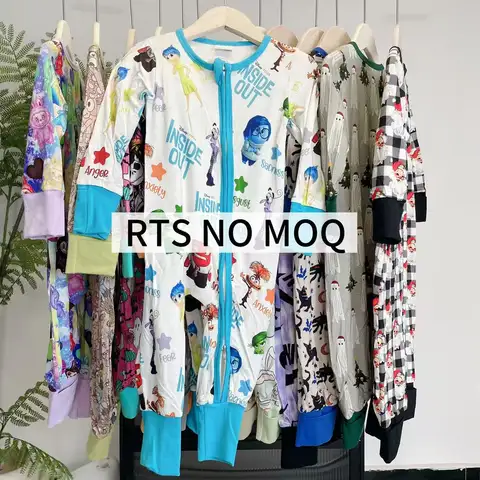
The successful management of the mommy and me sets Supply Chain Solutions requires central coordination that aligns fabric sourcing, product assembly, and distribution efficiency. Fabric providers offering low-MOQ (Minimum Order Quantity) solutions cater best to brands testing niche offerings in family fashion. Stock replenishment rates—optimized within an EOQ (Economic Order Quantity) framework—prevent costly deadstock scenarios.
Sustainable manufacturing partners are central to modern mommy and me sets Supply Chain Solutions. Eco-friendly processing techniques, such as digital waterless dyeing, lower environmental footprints while supporting millennial purchasing preferences for sustainability. Certifications like GRS (Global Recycled Standard) or Fair Trade practices should underpin supply chain decisions.
Finally, automated cutting machines and AI-driven pattern management software expedite production timelines while ensuring precision. Streamlined transportation networks tailored to small-batch shipments can provide agility without compromising the structural integrity of products, enhancing efficiency in the distribution of mommy and me sets.
Brand Storytelling through Mommy and Me Sets
Retailers leveraging storytelling elements tailored to their target markets gain competitive edges in selling mommy and me sets. Whether through social media campaigns focusing on candid family moments or curated lookbooks highlighting the versatility of the pieces, building emotional resonance with consumers is an opportunity that cannot be ignored.
Refinement in brand packaging also plays a role. Biodegradable garment bags or boxes that double as keepsakes help differentiate mommy and me sets in a crowded marketplace. A QR code linking to "Care Instruction" pages tailored for the co-branded sets ensures post-purchase engagement while educating customers on maintaining the aesthetic quality of their pieces.
Trendy Innovations: Pushing the Boundaries of Mommy and Me Sets
Smart textiles are poised to disrupt the market for mommy and me sets, particularly with the integration of temperature-regulating yarns. Infants experiencing thermal fluctuations especially benefit from phase-change materials integrated within breathable compositions, whereas parents gain from the aesthetics of advanced fiber technologies.
High-end segments of the mommy and me sets market are gravitating towards collaborations with artisan designers, incorporating handcrafted embroidery or small-batch weaving techniques. Such innovations not only reflect exclusivity but also limit competition by positioning brands within specific cultural niches.
Additional novelties include gender-neutral designs and adaptive wear, addressing a broad demographic neglected in traditional product offerings. Re-engineering pieces for accessibility—think magnets or Velcro alternatives for closures—caters to inclusivity-conscious consumers while diversifying the application spectrum of mommy and me sets.
Retail-Specific Tips for Marketing Mommy and Me Sets
Dynamic pricing models for mommy and me sets allow retailers to adapt to fluctuating market demand. Offering subscription packages tied to seasonal releases helps ensure consistent revenue streams, incentivizing customer loyalty. Tie-ins with family photo packages or occasions (Mother’s Day, birthdays) can also boost short-term sales performance.
| Lead Time | 23 Days |
| Global Production Scope | Mystery Bamboo Box Rts |
| Base Composition | Pima 190nd Gen |
| Quality Audit | SGS |
| Standard Application Zone | Pajamas Bamboo Toddler |
| Eco Index | 98% Certified |
Using targeted keyword strategies, such as "coordinated family outfits" or "matching family sets," alongside SEO-enriched pages for mommy and me sets, underpins visibility in online marketplaces. Reviews on fit, comfort, and style—separately tagged for adult and infant fits—build trust for brands exploring DTC (Direct-to-Consumer) segments.
The Future of Mommy and Me Sets Supply Chain Solutions
As AI and machine learning continue infiltrating industry workflows, predictive analytics are reshaping mommy and me sets Supply Chain Solutions. Anticipating fabric shortages or projecting trends in infant wear consumption based on past buying behavior enables stakeholders to refine allocation strategies at an unmatched scale.
Blockchain-integrated logistics systems create transparency critical for sustainability verifications, particularly relevant to Gen Z and millennial parents prioritizing ethical consumption when purchasing mommy and me sets. Traceability will no longer be an optional feature but rather a non-negotiable demand, elevating the need for digital innovation across all tiers of mommy and me sets Supply Chain Solutions.
Retail co-creation platforms are emerging as a potential avenue for brands seeking enhanced consumer interaction. Open design sessions for customizing mommy and me sets facilitate deeper participation, strengthening brand identity while creating unique consumer touchpoints that leave lasting impressions.