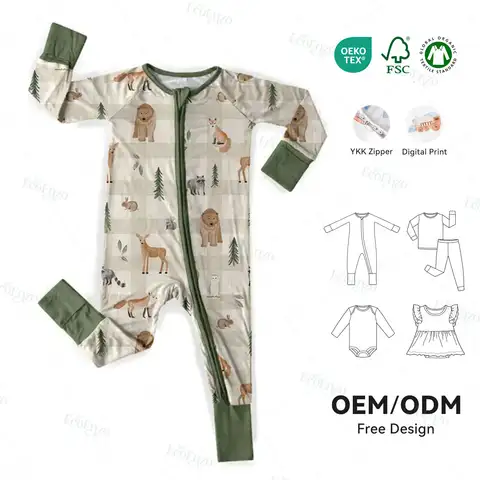
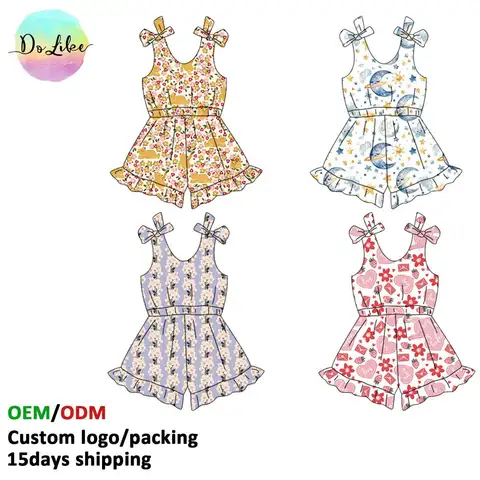
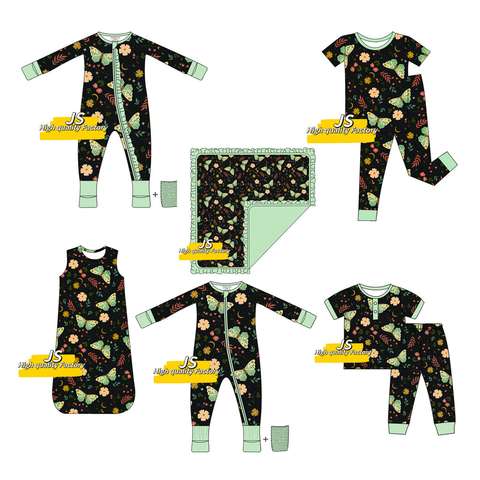
Oekotex 100 Pajamas Set Bamboo Private Label Manufacturer
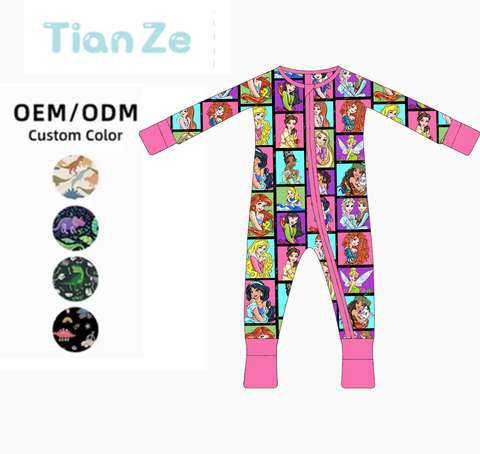
Understanding Legal Requirements for Bamboo Pajama Sets in B2B Markets
The textile and apparel industry is experiencing a notable shift towards eco-friendly materials, with bamboo gaining significant attention due to its renewable nature and luxurious feel. Bamboo pajama sets are increasingly popular among consumers, pushing businesses to adapt to this trend. However, entering the market requires a robust understanding of legal requirements and quality control measures, particularly those outlined by the Consumer Product Safety Improvement Act (CPSIA) and Consumer Product Safety Commission (CPSC) regulations.
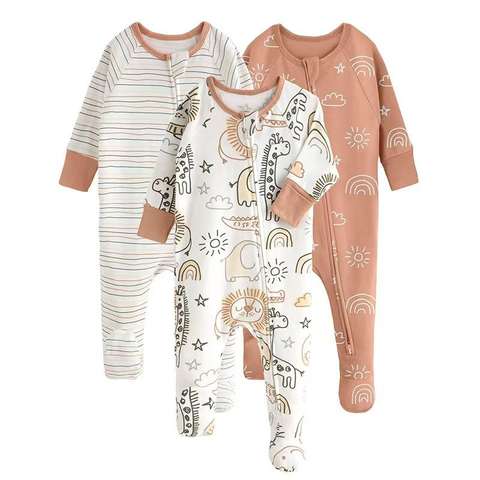
CPSIA Compliance for Pajama Sets
The Consumer Product Safety Improvement Act of 2008 profoundly impacts the production and distribution of children’s apparel, including pajamas. A focus on safety and consumer protection mandates strict compliance for all children's sleepwear distributed in the United States, and bamboo pajama sets are no exception. Businesses must ensure their products meet flammability standards, which are more stringent for children’s products compared to general apparel.
The primary flammability standard applicable to children’s sleepwear is 16 CFR Part 1615/1616. It demands that pajamas do not exhibit rapid and intense burn characteristics. Ensuring compliance involves rigorous testing and certification processes, including third-party testing by a CPSC-accepted laboratory. For bamboo pajama sets, maintaining these standards is crucial, as bamboo can vary in composition, affecting its burn behavior.
CPSC Guidelines and Requirements
The Consumer Product Safety Commission provides additional guidelines for apparel, making compliance with CPSC regulations imperative for businesses. All bamboo pajama sets must have tracking labels, certifying compliance with safety standards. These labels should include the manufacturer’s name, location, date of production, and tracking number. , crafting durable and legible labels ensures traceability and enhances consumer trust.
, CPSC mandates lead content regulations—children’s products, including pajamas, should contain no more than 100 parts per million (ppm) of lead. Businesses must confirm that their bamboo pajama sets meet these requirements through comprehensive testing, ensuring no hazardous lead levels are present in dyes or decorative elements.
Quality Control Audits for Bamboo Pajama Sets
Establishing a successful line of bamboo pajama sets involves stringent quality control (QC) processes, which extend beyond legal compliance. QC audits focus on material integrity, manufacturing excellence, and supply chain transparency, contributing to product reliability and consumer satisfaction.
Firstly, understanding bamboo fabric's unique characteristics is essential. Bamboo is prized for its softness and moisture-wicking capabilities, but achieving consistent quality demands meticulous sourcing and quality checks. Regular audits of suppliers ensure they adhere to business and regulatory standards, minimizing risks associated with material discrepancies.
Manufacturing processes require continual evaluations to uphold quality. Implementing a robust QC plan involves inspecting fabric quality, seam strength, and colorfastness. Inspections at various stages of production help detect and rectify defects before products reach consumers, safeguarding brand reputation and maintaining compliance with safety standards.
| MOQ | 1000 PCS |
| Compliance | GOTS Organic |
| Lead Time | 15 Days |
| AQL Standard | 2.5 Critical / 4.0 Major |
| Fabric Type | Pima Cotton |
Building a Sustainable Supply Chain
For businesses looking to make an impact in manufacturing bamboo pajama sets, sustainability is a key pillar. Bamboo’s eco-friendly reputation is only partnered effectively with responsible sourcing and production practices. Ensuring sustainable practices across the supply chain not only aligns with consumer values but also meets legal and market expectations.
Engage with suppliers who prioritize environmentally friendly methods, from cultivation to processing. A supply chain audit involves reviewing certificates of sustainability, especially focusing on the Forest Stewardship Council (FSC) certifications and ensuring reduced chemical utilization in fabric processing.

: Navigating the Market with Expertise and Integrity
The introduction of bamboo pajama sets in B2B markets involves more than embracing a fabric’s luxury. It demands a comprehensive understanding of CPSIA compliance, CPSC guidelines, and consistent quality control audits, ensuring safety and quality are never compromised. Businesses that align with these legal requirements and invest in rigorous QC practices set themselves apart, capitalizing on bamboo’s rising popularity while safeguarding their reputation and consumer trust.
Ultimately, the success of bamboo pajama sets hinges on an integrated approach—melding legal compliance, quality control integrity, and sustainability. As consumer preferences evolve towards eco-conscious apparel, businesses equipped with this knowledge are positioned to thrive in the competitive landscape, delivering excellence in every piece of bamboo sleepwear.