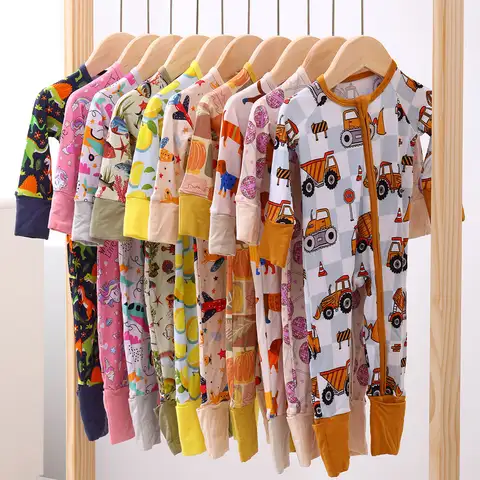
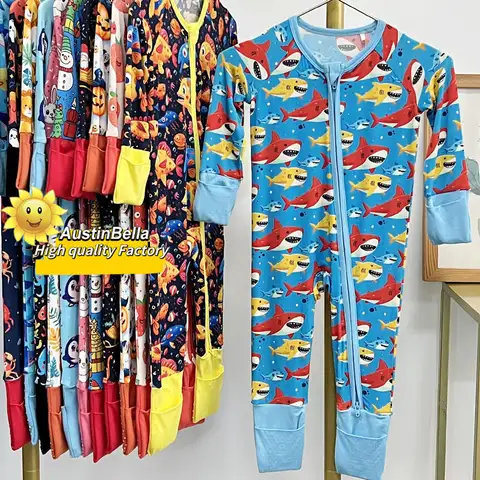
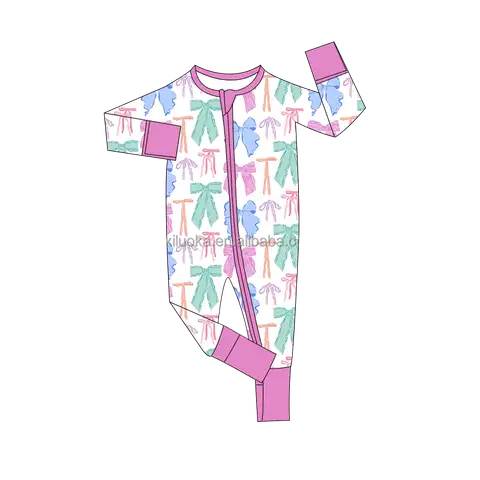
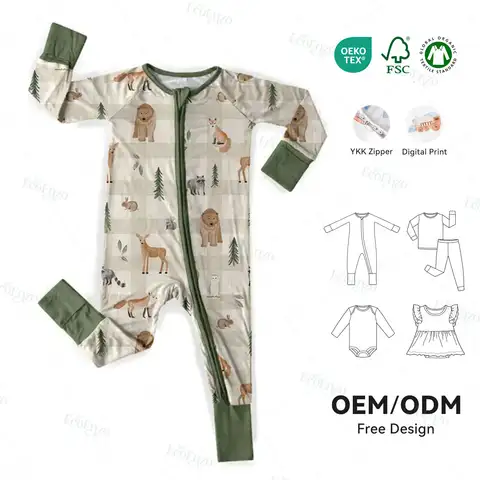
Oem Bamboo 4T Rompers Bespoke Vendor
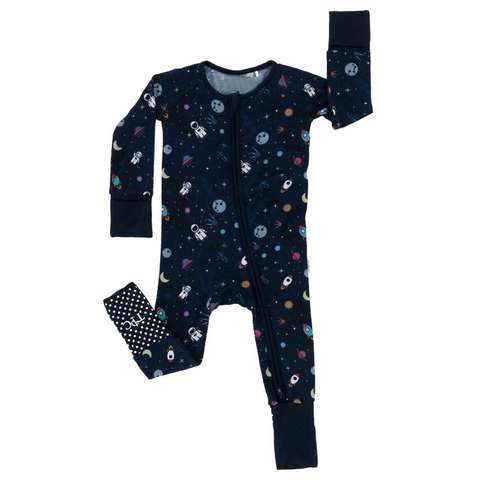
Introduction to Bamboo 4T Rompers
Bamboo 4T rompers have risen to popularity in the children's apparel sector due to their softness, sustainability, and hypoallergenic properties. As more businesses enter the bamboo children's clothing market, it is crucial to comply with the Consumer Product Safety Commission (CPSC) and the Consumer Product Safety Improvement Act (CPSIA) legal requirements. , conducting rigorous quality control (QC) audits ensures safety and quality are maintained consistently.
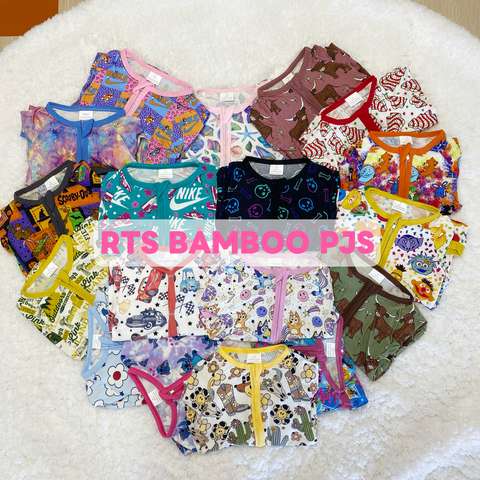
CPC and CPSIA Legal Requirements
Understanding CPC Requirements
Bamboo 4T rompers, like any children's clothing, must adhere to specific requirements to ensure safety. The Children's Product Certificate (CPC) demonstrates compliance with relevant standards. For manufacturers and importers, it indicates that the product meets CPSC regulations after being tested by a CPSC-accepted laboratory.
When drafting a CPC, include the product's description, the rule or standard applicable, the testing body, date and place of testing, and information of the responsible party maintaining compliance. For examples like bamboo 4T rompers, ensure the documents focus on flammability, lead content, and, if applicable, phthalate content.
Compliance with CPSIA Regulations
The CPSIA plays a pivotal role in regulating children's products, ensuring that the bamboo 4T rompers do not post undue safety hazards. Under the CPSIA, specific constraints pertain to lead in substrates, ensuring a maximum permissible level below 100 ppm for any accessible part. Additionally, CPSIA stipulates the testing and certification of products for safety attributes before being distributed in the market.
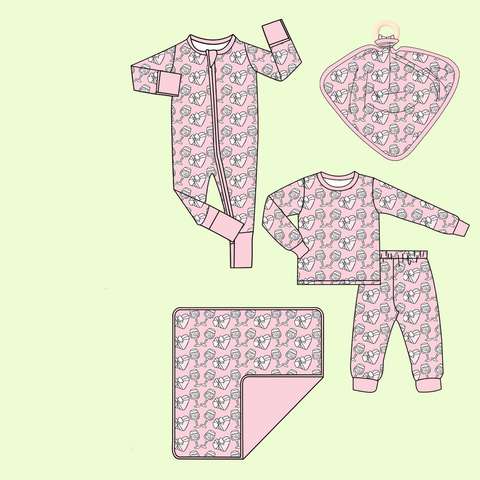
Labeling according to CPSIA mandates traceability information on rompers, including manufacturer or private labeler, city/state of production, manufacturing date, and cohort information. Providing explicit tracking labels on bamboo 4T rompers helps recall efforts if needed, enhancing consumer trust and regulatory adherence.
Quality Control (QC) Audits for Bamboo 4T Rompers
Importance of QC Audits
Establishing a robust QC system is crucial not only for adhering to legal requirements but also for ensuring long-term customer satisfaction and brand reputation. QC audits are systematic examinations of the product's production process, from receiving raw materials to final dispatch, ensuring that each piece maintains high standards.
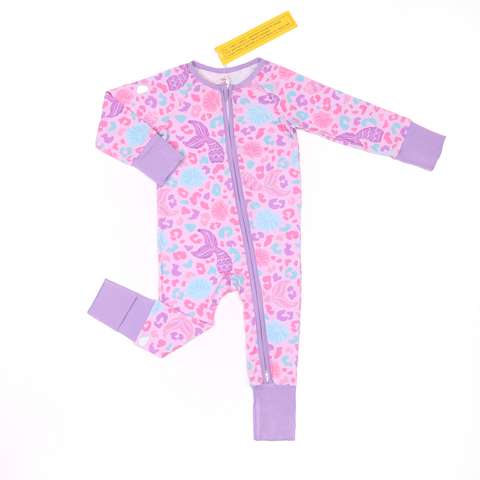
For bamboo 4T rompers, audits should encompass raw material inspection, in-process inspection, and final quality checks. By carrying out audits at multiple production stages, manufacturers can address any flaws promptly thereby reducing wastage and ensuring compliance.
Components of a QC Audit Process
The QC audit process for bamboo 4T rompers can be divided into several critical components:
| Fabric Type | Organic Bamboo |
| AQL Standard | 2.5 Critical / 4.0 Major |
| Lead Time | 18 Days |
| MOQ | 500 PCS |
| Customization | Tailor-made |
- Raw Material Inspection: Inspect the bamboo material for consistency in texture, color, and chemical makeup, ensuring it is free from foreign contaminants. This phase checks compliance with material safety standards.
- Production Line Observation: Observe the production processes to verify adherence to operational and safety protocols, ensuring machinery and worker practices align with standard operating procedures.
- In-Process QC: Regular in-line inspections help identify defects like improper stitching or incorrect sizing, allowing for immediate correction. Implement a sampling plan based on industry standards for this process.
- Final Random Inspection: Conduct a thorough examination of finished rompers. This inspection assesses dimensions, strength of seams, color consistency, print clarity, and construction. Through AQL (Acceptable Quality Level) standards, determine the batch's compliance level.
The Role of Third-Party Testing
Ensuring Impartiality and Competence
Engaging third-party testing laboratories can be instrumental in validating the compliance of bamboo 4T rompers. These laboratories offer impartiality and specialized competencies that ensure your product meets or exceeds established standards. CPSC-accepted labs provide tests for flammability, phthalate levels, lead content, and more, delivering reliable testing results.
Maintaining Consistency in Compliance
Regularly updating testing protocols in collaboration with third-party facilities aids in addressing evolving safety standards. Ensure that the test results are meticulously documented and archived, facilitating swift access during an investigation or regulatory review. Third-party testing aids effective risk management by pinpointing potential issues before the products reach consumers.
: Safeguarding Through Compliance and Quality Assurance
Successfully navigating the legal landscape while maintaining thorough quality checks is essential for businesses dealing in bamboo 4T rompers. A strategic emphasis on CPC and CPSIA compliance, reinforced by relentless quality control audits, is a robust framework for safeguarding child safety and delivering premium product experiences. As regulatory benchmarks and market expectations continue to rise, a proactive, integrated approach ensures alignment with legal mandates and positions your brand as a trusted authority in children's apparel.