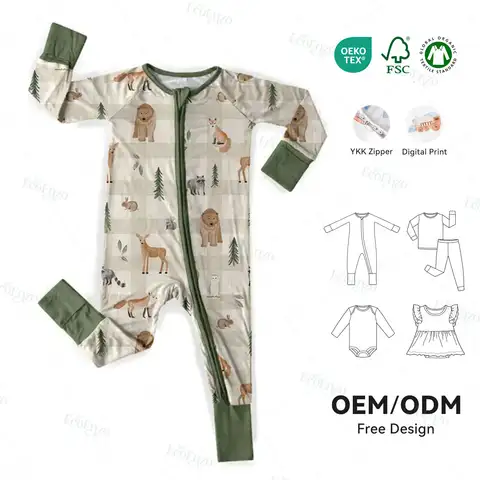
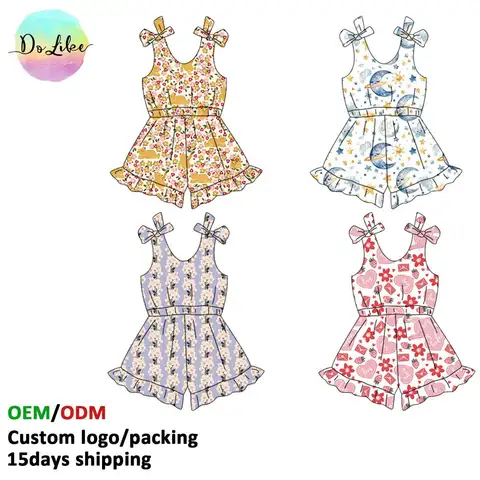
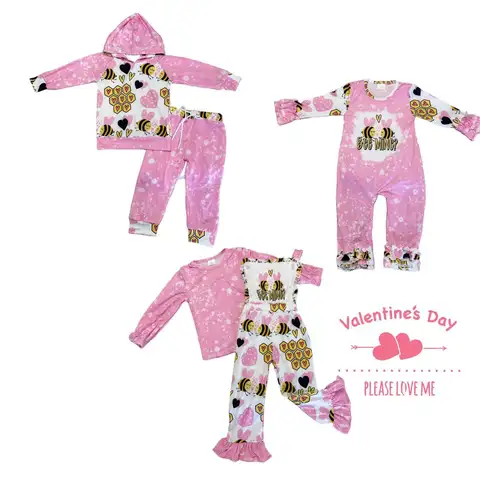
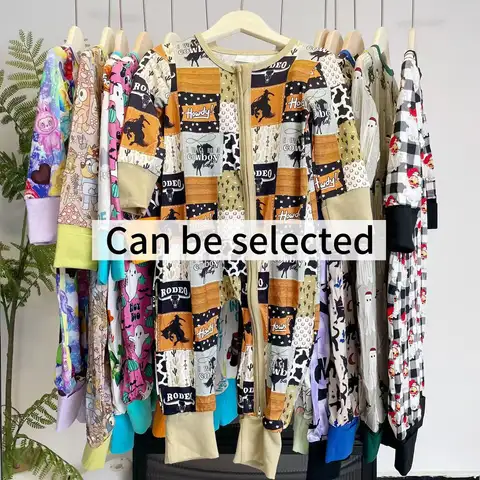
OEM Knitted Romper Baby Factory China
Knitted Romper Baby: Ensuring Seam Strength in Production
Seam strength is a critical factor in the production of knitted baby rompers. As a production line manager, your primary responsibility is to ensure that this aspect meets both safety and quality standards. Knitted garments, especially those designed for infants, require additional care due to the softness of fabrics and the potential for wear and tear. This guide outlines actionable steps to maintain and enhance the seam strength of knitted baby rompers in a production setting.
1. Select the Right Fabric
Fabric quality plays a pivotal role in seam strength. For knitted baby rompers, choose fabrics made of high-quality natural fibers such as cotton or organic blends. These materials offer stretch, which is essential for babywear, but they also need to be durable enough to withstand the sewing process and daily usage.
Always insist on fabrics with consistent quality. Variations in knitting gauge or fiber quality will directly affect seam strength. Conduct tensile strength tests during the fabric inspection stage to gauge the material's durability under stress.
2. Choose the Correct Stitching Method
Stitching techniques directly influence seam strength. The following are highly recommended for knitted garments:
- Flatlock Stitch: Ideal for stretchy fabrics as it lays flat and reduces bulk at the seam. This prevents irritation for babies while maintaining durability.
- Overlock Stitch: Provides clean and strong edges, preventing fraying and ensuring long-term durability. Always match thread elasticity to the fabric stretch.
- Reinforced Stitching: Areas with high stress, such as crotch seams or sleeve joints, benefit significantly from double stitching or bar tacking for added durability.
It is vital to train machine operators to execute these stitching methods with precision. Regular evaluations of their technique will minimize inconsistencies on the production line.
3. Optimize the Seam Tension
Adjusting thread tension appropriately is crucial when working with knitted fabrics. Excess tension can cause seam puckering or breakage over time, while under-tensioned seams may appear loose and prone to unraveling. Calibrate machines for optimal tension settings based on the specific fabric thickness and stretch characteristics.
4. Invest in High-Quality Thread
Thread strength must complement fabric durability to achieve reliable seams. Select threads that have high tensile strength while maintaining flexibility. Polyester threads are often a reliable choice for knitted garments since they provide elasticity and resist breaking under strain.
Perform compatibility tests by combining selected threads with the intended fabric to assess how they behave under normal and high-stress conditions.
5. Incorporate Stress Testing
Implement stress testing at different stages of production to evaluate seam durability. Use tools such as tensile testers to measure the force required to break a seam. Pay special attention to high-stress areas like shoulder joins, armholes, and crotches.
Develop a standard quality control process that includes these tests to identify weak seams early and prevent defective products from reaching the customer.
6. Reinforce Key Areas
In knitted baby rompers, certain areas experience more movement and stress. Reinforce these areas to ensure longevity. Examples of such techniques include bar tacking on zipper ends, double stitching on active areas, and edge stitching around buttons or snap fasteners.
Work with your product development team to incorporate these reinforcements into the design stage for better overall durability.
7. Educate Staff on Best Practices
Your production team plays a major role in ensuring seam strength. Regular training sessions to improve stitching precision and machine handling are crucial. Provide training for troubleshooting methods, such as correcting machine tension or replacing worn needles, to prevent common seam issues from escalating.

Create a documentation process for seam-related defects observed during quality checks and share these insights with all relevant team members. This approach fosters a culture of continuous improvement.
8. Conduct Final Quality Inspections
Before final packing, implement a comprehensive quality inspection protocol. Include checks for seam alignment, thread consistency, and reinforcement effectiveness. Inspect products in batches and under simulated wear conditions to identify potential weaknesses.
Use inspection templates or checklists to make the process consistent and actionable. Any defective products detected at this stage must be immediately rerouted for repairs, ensuring only high-quality rompers reach the client.
Conclusion
Seam strength is critical in producing safe, reliable, and high-quality knitted baby rompers. By focusing on fabric quality, stitching techniques, tension optimization, reinforcement of stress points, and rigorous quality control measures, you can maintain product integrity while meeting client expectations. A robust strategy for addressing seam durability ensures customer satisfaction and minimizes costly returns or rejections.