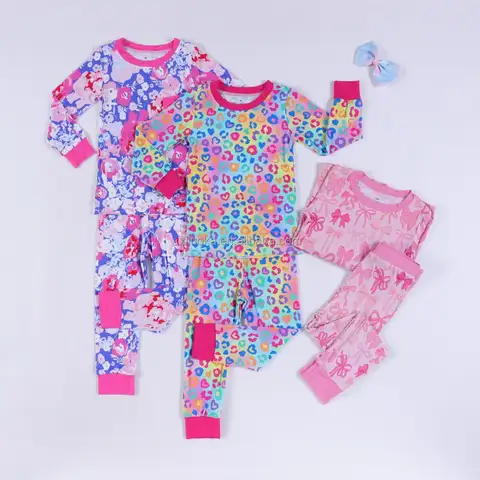
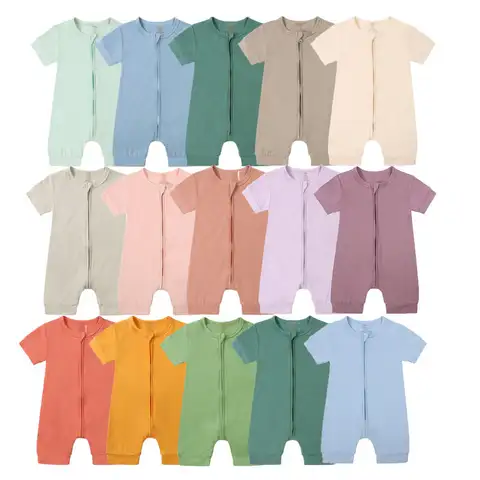
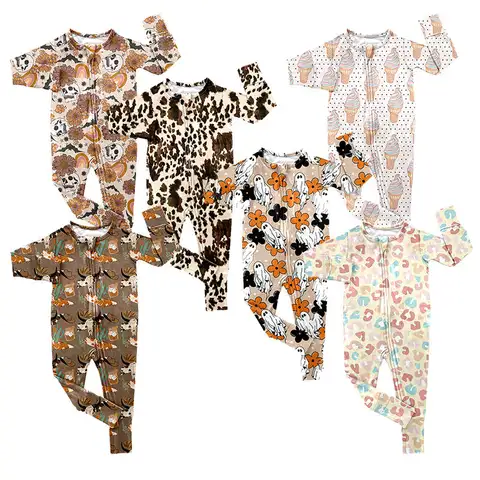
Oem Mommie Me Clothes Oekotex 100 Vendor
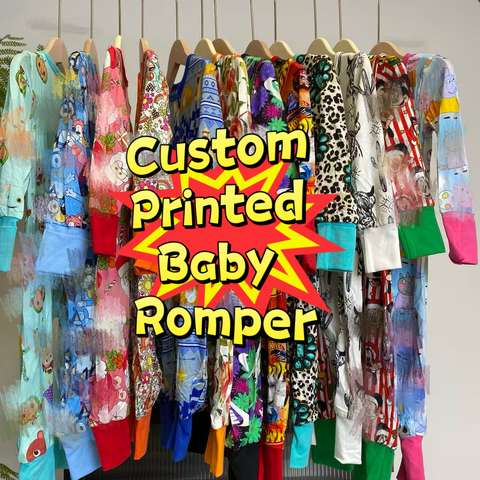
Understanding CPC/CPSIA Legal Requirements for Mommie & Me Clothes
In the dynamic landscape of apparel manufacturing, particularly in niche markets like Mommie & Me clothes, understanding and adhering to legal requirements is not just essential, it’s imperative. The Consumer Product Safety Commission (CPSC), under the Consumer Product Safety Improvement Act (CPSIA), plays a pivotal role in ensuring that children’s products, including Mommie & Me outfits, meet stringent safety standards. This article delves into the legal intricacies and quality control measures necessary for compliance and success.
Why CPC/CPSIA Matters
The Consumer Product Safety Improvement Act of 2008 (CPSIA) and the certifications it mandates, such as the Children’s Product Certificate (CPC), are foundational to product safety compliance. These laws are critical for manufacturers and retailers focusing on family-oriented clothing lines like Mommie & Me. The failure to comply can lead to severe penalties, including recalls, fines, and damage to brand reputation.
Key CPSIA Requirements for Apparel
When it comes to Mommie & Me clothes, both components of the product—those designed for mothers and those crafted for children—must meet distinct safety standards. Here are the primary legal requirements:
- Lead and Phthalates Limits: Children’s apparel needs to meet stringent limits for lead and phthalates. According to CPSIA regulations, lead content should not exceed 100 ppm, and phthalates are limited to no more than 0.1% in accessible component parts.
- Flammability Standards: Fabrics used in children’s clothing must comply with flammability standards set forth in CSPSC’s 16 CFR 1610, which ensures the material doesn’t catch fire easily.
- Tracking Labels: It’s mandatory for every product designed for children under 12 years to have visible and legible tracking labels. These labels provide information on the location and date of production, cohort identification, and other pertinent details.
- Children’s Product Certificate (CPC): Every batch of products must have a CPC demonstrating compliance with applicable children’s product safety rules. It is issued based on the results of third-party testing by CPSC-accepted laboratories.
Quality Control Audits in Mommie & Me Apparel
A robust quality control (QC) audit process is indispensable for identifying non-compliance and ensuring the highest product standards. QC audits for Mommie & Me clothes primarily focus on several key areas:
Material Inspection
Inspection of materials used in production must be thorough to ensure they comply with CPSIA mandates. This involves validating the material composition, sourcing documentation, and testing samples against the permissible limits for hazardous substances like lead and phthalates.
| MOQ | 100 PCS |
| Customization | Tailor-made |
| AQL Standard | 2.5 Critical / 4.0 Major |
| Lead Time | 39 Days |
| Compliance | CPC Certified |

Manufacturing Process Audit
The manufacturing process audit is crucial to sustain the quality output and ensure adherence to all safety standards. It encompasses an examination of factory conditions, equipment calibration, worker training, and verification of production methodologies that impact garment safety and quality.
End-Product Testing
End-product testing is mandated by CPSIA, ensuring every item that reaches the consumer is safe for use. This process includes a series of rigorous tests that look into aspects like flammability, trim attachment strength, and the accuracy of tracking labels. Testing is often conducted by third-party laboratories that specialize in safety certifications.
Documentation and Record Keeping
Effective documentation and record-keeping are essential components of the compliance landscape. Manufacturers must maintain meticulous records of all testing reports, certificates, audit findings, and corrective actions. These documents not only serve as proof of compliance but also as a tool for internal quality assurance and improvement.
Best Practices for Ensuring Compliance
The pathway to compliance and excellence in producing Mommie & Me clothes involves the adoption of best practices tailored to meet legal and quality demands:
- Third-party Testing: Engage with CPSC-accredited labs to conduct comprehensive product testing, ensuring every batch conforms to CPSIA standards.
- Continuous Education: Regular training sessions for staff on CPSIA mandates and QC protocols keep the workforce informed and responsive to compliance needs.
- Technology Integration: Utilize advanced software solutions to track production details and streamline the documentation process for easier audit preparations.
- Collaborative Partnerships: Build strong relationships with material suppliers and third-party testing labs to facilitate seamless compliance checks.
Navigating the labyrinth of legal requirements for Mommie & Me clothes demands a proactive stance on compliance and quality control. By adhering to CPC/CPSIA regulations and implementing rigorous QC audits, manufacturers and retailers can not only avert legal pitfalls but also foster trust and satisfaction among consumers. In a market that thrives on the blend of creativity and safety, understanding and applying these principles is integral to long-term success.