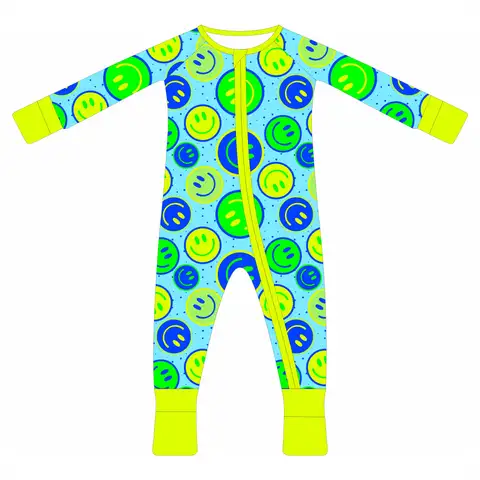
Private Label Bamboo Baby Romper Zipper Gots Organic Factory
Understanding CPC/CPSIA Legal Requirements for Bamboo Baby Romper Zippers
The apparel industry is continuously evolving, with increasing demand for sustainable and eco-friendly products like bamboo baby rompers. However, manufacturers and retailers must understand the complexities surrounding the legal requirements, particularly the Consumer Product Safety Improvement Act (CPSIA) and Children's Product Certificate (CPC) necessities, to ensure compliance and avoid potential pitfalls.
Introduction to CPSIA and CPC
The Consumer Product Safety Improvement Act (CPSIA) of 2008 mandates stringent safety standards for any product designed or intended primarily for children aged 12 or younger. This encompasses everything from pacifiers to toys and even clothing like bamboo baby rompers with zippers. Key components of the CPSIA relevant to these products include lead and phthalate limits, mandatory third-party testing, and clear tracking labels.
The Children's Product Certificate (CPC) is a respective declaration that confirms a product complies with applicable children’s product safety standards under the CPSIA. This document should be founded on third-party testing results of each manufactured lot.
Critical Components of Compliance
Lead Content Limits
Lead content is a significant concern under CPSIA regulations. Every component of a bamboo baby romper, including zippers, snaps, and embellishments, must not contain lead levels exceeding 100 parts per million (ppm) as per federal regulations. Testing must be performed at a CPSC-accepted lab to verify compliance, with results documented in the CPC.
Phthalates Restrictions
Under the CPSIA, products intended for children under three years, such as infant rompers, must not contain more than 0.1% of any of the following specified phthalates: DEHP, DBP, BBP, DINP, DIDP, and DnOP. Zippers and other plasticized components should be especially scrutinized to meet these requirements, ensuring safer products for infants.
Flammability Standards
Children’s sleepwear, including baby rompers, must adhere to higher flammability standards compared to regular clothing due to their exposure to environments where fire hazards might be present, like bedrooms. It's vital to perform specific flammability tests, as bamboo fibers, while generally considered safer and more organic, may still require special treatment to meet the designated safety criteria.
Tracking Labels and Additional Documentation
Every bamboo baby romper must feature a permanent tracking label, illustrating essential product information such as the manufacturer, batch number, place, and date of production. This measure enhances traceability and consumer safety, allowing quick action on recalls or safety notifications if required. The tracking label process should be supported by detailed production records and corresponding CPC documentation.
Quality Control (QC) Audits for Bamboo Baby Rompers
Alongside regulatory compliance, manufacturers need to execute comprehensive Quality Control (QC) audits to ensure consistent quality, safety, and reliability of bamboo baby romper zippers. QC audits help bridge the gap between regulatory requirements and actual production practices, ensuring both compliance and consumer satisfaction.
Pre-Production Audits
Pre-production audits are essential in evaluating suppliers' capabilities, from assessing the quality of bamboo fabric to the functionality and safety compliance of zippers. Materials should be consistent with CPSIA standards for lead and phthalates, with full compliance documentation ready before production commences.
In-Process Inspection
Conducting random in-process inspections can help identify potential issues during the production cycle, allowing for timely corrective measures. Regular assessments of zipper installation, sewing quality, and fabric integrity are paramount. Inspectors should look out for loose threads, frayed fabric edges, and malfunctioning zippers to prevent any final product recalls or swift deterioration.
| Lead Time | 39 Days |
| Customization | Tailor-made |
| Fabric Type | Pima Cotton |
| MOQ | 500 PCS |
| Compliance | GOTS Organic |
Final Random Inspection (FRI)
The FRI is the last line of defense against non-compliance and quality lapses. A representative sample of the bamboo baby rompers is thoroughly checked for defects, verifying consistency with CPC documents and ensuring each product meets all CPSIA requirements. Inspect key elements such as the strength and operability of zippers, seam quality, and finishing of the garment.
Compliance with CPSIA and CPC requirements, alongside stringent QC audits, is not merely a legal obligation but a cornerstone of establishing trust in the children's apparel market. Staying informed about regulatory changes and adopting robust quality assurance frameworks can distinguish your bamboo baby romper products in a competitive marketplace. By prioritizing safety and quality, businesses can not only prevent costly legal repercussions but also build lasting relationships with consumers who rely on them for the safety and comfort of their children.