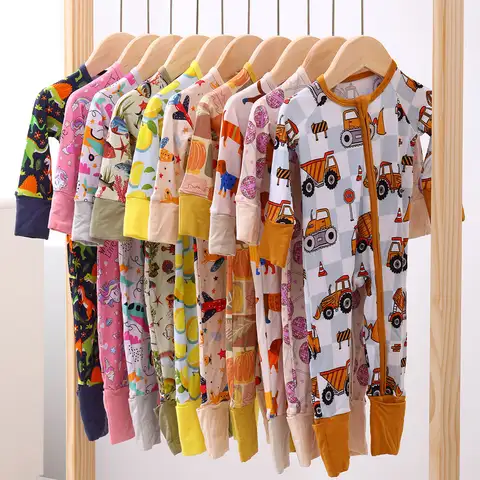
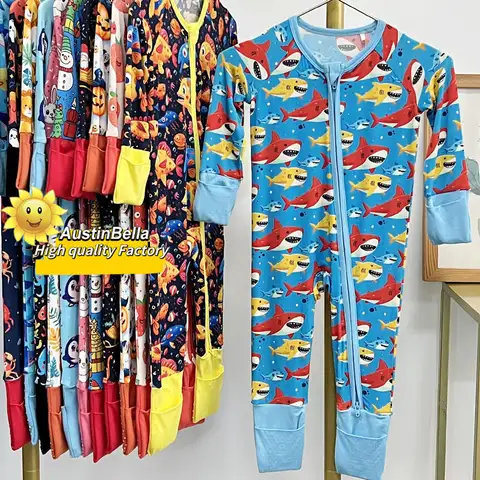
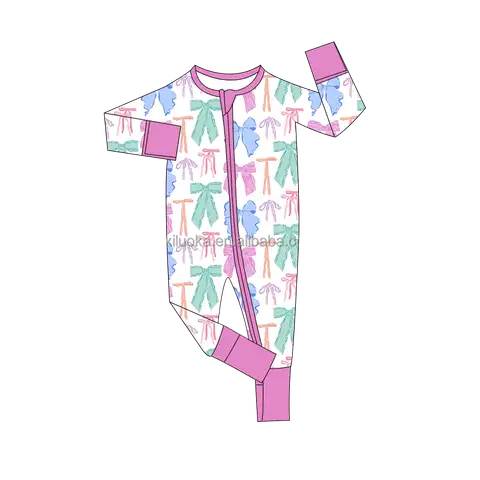
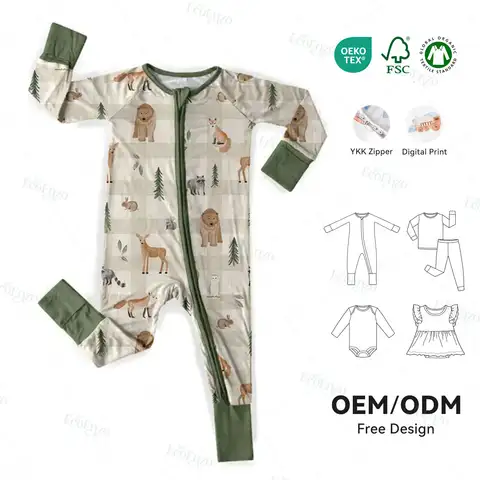
Private Label Bamboo Infant Supplier
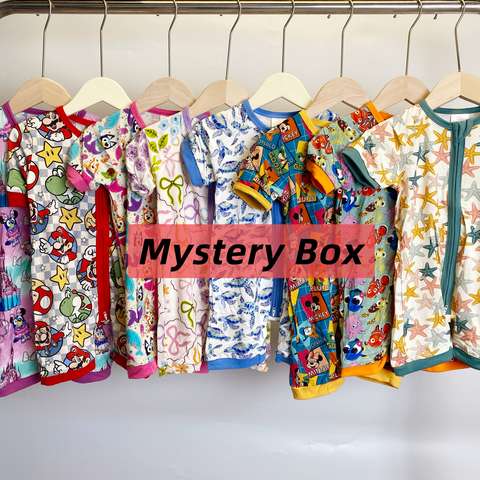
| Fabric | Bamboo/Cotton |
| Compliance | ASTM F963 |
| MOQ | 500pcs |
Understanding Bamboo Infant Products
Introduction to Bamboo Fabrics
Bamboo textiles have gained popularity in recent years due to their sustainable nature and incredible softness. Originating from the renewable bamboo plant, these textiles undergo various processes to transform them into usable and comfortable fabric suitable for clothing and other applications. Bamboo is celebrated for its eco-friendly attributes, as it grows rapidly without the need for pesticides or fertilizers. This makes it an excellent alternative to traditional cotton or synthetic fibers, especially in products for infants.
Why Choose Bamboo for Infants?
Caring for infants requires special attention to the materials used in their clothing, bedding, and other products. Bamboo fabrics are naturally hypoallergenic, making them ideal for infants who have sensitive skin. The absence of harsh chemicals in the production process minimizes the risk of skin irritation, which is a common concern for young children. Additionally, bamboo fibers are breathable and moisture-wicking, which helps regulate temperature and keeps babies comfortable throughout the day and night.
Eco-Friendly Attributes of Bamboo
One of the standout properties of bamboo is its environmental benefit. Bamboo grows quickly - some species can grow up to 91 cm in a single day - and it regenerates from its roots without the need for replanting, which reduces soil erosion. Bamboo cultivation considerably lowers carbon emissions, and it takes in more CO2 compared to similar plants. These properties make bamboo an eco-friendly alternative for manufacturing, contributing to a sustainable future.
Bamboo Processing and Fabric Making
The transformation of bamboo into fabric involves several steps. Initially, the bamboo is harvested and stripped down to create pulp. This pulp undergoes processes like spinning and weaving to develop the fiber, which is then converted into fabric. While bamboo viscose, a popular type derived from this pulp, involves some use of chemicals, the closed-loop production process ensures minimal environmental impact, maintaining bamboo's green credentials.
Safety Standards for Bamboo Infant Products
Safety is paramount when designing products for infants. Bamboo infant products often meet stringent safety standards to ensure they are free from toxic substances that could harm a baby. Many manufacturers comply with guidelines from safety institutions to guarantee their bamboo fabric is safe for infants. Parents can look for certifications such as OEKO-TEX Standard 100, which affirms the absence of harmful chemicals and safe levels of toxicity in textiles.
Comfort and Usability
Bamboo fabric’s luxurious softness offers unparalleled comfort to infants, contributing to their happiness and well-being. Its silky texture minimizes friction against the skin, making it a preferred choice for swaddling blankets, sleepwear, and bedding. Beyond comfort, bamboo fabric's natural durability means it withstands regular washing while maintaining its softness and quality, crucial for items constantly exposed to spills and messes typical in infant care.
Maintenance and Care
Caring for bamboo fabric is straightforward and aligns well with the busy lifestyle of a parent. Most bamboo textiles can be machine washed with mild detergent, avoiding bleach to maintain fabric integrity. Line drying or using a low-temperature dryer ensures maximum preservation of the fabric’s quality. This ease of maintenance, combined with the durability of bamboo, makes it a practical choice for infant products.
Market Trends and Consumer Preferences
The market for bamboo infant products has expanded as consumers become more environmentally conscious and aware of the benefits these products offer. Rising preference for sustainable goods drives demand, encouraging more companies to innovate and expand their bamboo product offerings in the infant space. The focus on ethical manufacturing, paired with the increasing importance of sustainable living, heralds a promising growth trajectory for bamboo textiles.
Bamboo offers a compelling solution in the realm of infant care due to its impressive blend of sustainability, safety, and comfort. As awareness and appreciation for eco-friendly materials like bamboo grow, it transforms the landscape of infant care products, underscoring the importance of gentle, responsible choices for the youngest and most sensitive beings among us. Bamboo infant products not only promise quality and comfort but also contribute to a healthier planet, fostering a result that benefits both infants and the environment.