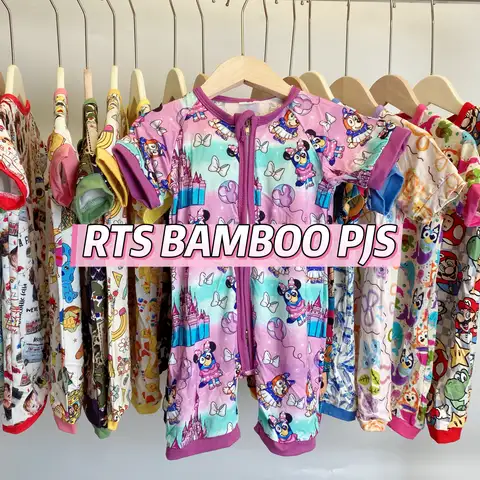
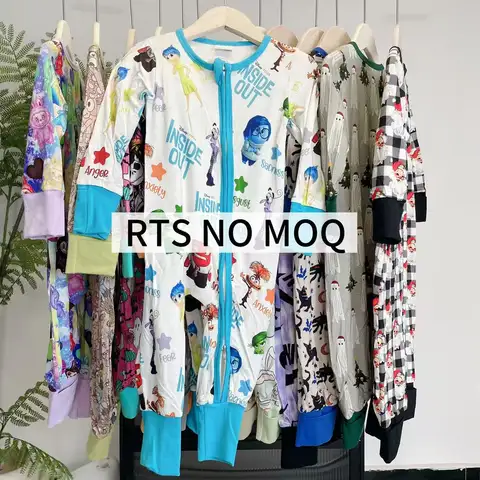
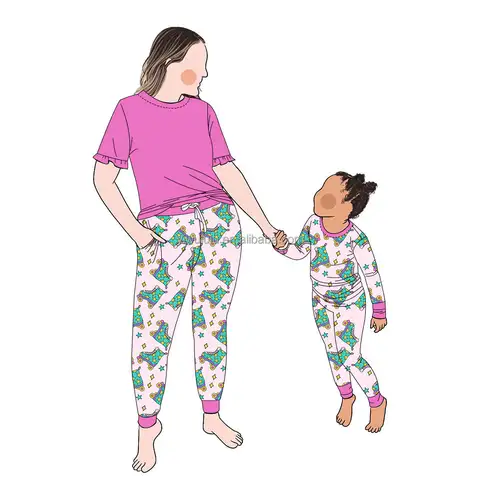
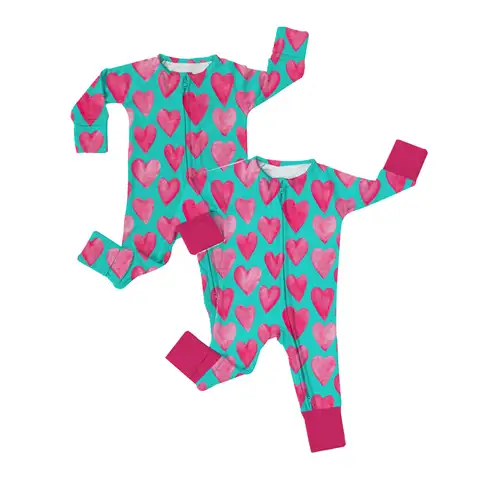
Private Label Boys And Girls Baby Jumpsuit Bespoke Vendor
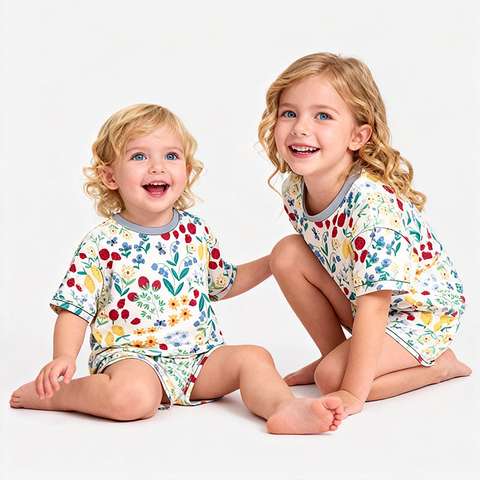
Boys and Girls Baby Jumpsuit: Ensuring Compliance with CPC/CPSIA and Quality Control Standards
In the dynamic world of children's apparel, the boys and girls baby jumpsuit stands as a staple for comfort and style. However, appealing designs must also meet stringent safety regulations and quality standards. As a business operating in this sector, it’s crucial to comply with the Consumer Product Safety Improvement Act (CPSIA), produce a Children's Product Certificate (CPC), and conduct thorough quality control (QC) audits. This article will guide manufacturers, importers, and retailers through these essential compliance and quality measures.
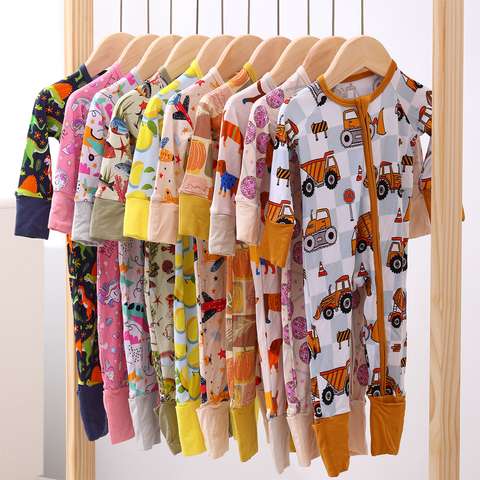
Understanding CPSIA Compliance for Baby Jumpsuits
The CPSIA, enacted in 2008, is a pivotal piece of legislation designed to ensure the safety of children's products in the United States. For baby jumpsuits, compliance encompasses several key requirements:
- Lead Content: The CPSIA strictly limits the amount of lead in children’s products to 100 parts per million (ppm). Baby jumpsuits must undergo testing to verify adherence to this limit to prevent health risks.
- Phthalate Restrictions: These potentially harmful chemicals, used to soften plastics, are restricted in children’s products. Baby jumpsuits with plasticized components must meet phthalate conditions as per the CPSIA.
- Small Parts Requirement: For garments designed for children under three, it’s crucial that any small parts do not pose a choking hazard. All components, such as buttons and snaps, need rigorous testing.
- Flammability Standards: Baby jumpsuits must comply with flammability standards to minimize fire hazards, adhering to the requirements set out in 16 CFR Part 1610.
CPC: Documenting Compliance
A Children's Product Certificate (CPC) is mandatory for all products falling under CPSIA. It certifies that the product complies with applicable safety rules and bans.
- General Conformity Certificate (GCC) Production: This document must be created for each batch of manufactured jumpsuits. It should enumerate each applicable rule and standard with which the product complies.
- Testing and Laboratory Requirements: The products must be tested by a CPSC-accepted laboratory. Test reports and certificates should be meticulously compiled and stored.
- Distribution to Stakeholders: A CPC must be made readily accessible to distributors and retailers, ensuring transparency and confidence in compliance.
Implementing Quality Control Audits
Beyond statutory compliance, maintaining the quality of baby jumpsuits is paramount. Quality control audits serve as a cornerstone of product integrity and customer satisfaction:
| Lead Time | 20 Days |
| Compliance | CPC Certified |
| AQL Standard | 2.5 Critical / 4.0 Major |
| MOQ | 1000 PCS |
| Customization | Private Label |
Pre-Production Audits
Conducting audits at the pre-production stage helps identify potential quality issues early in the process:
- Fabric Quality and Consistency: Inspect raw materials for consistency in weight, color, and texture. Ensure dyes and finishes comply with safety and quality standards.
- Component Inspection: Verify quality and safety of all components, including zippers and buttons, against pre-determined safety standards.
During Production Inspections
During production, periodic checks can catch defects before they proliferate across an entire batch:
- In-Line Checks: Conduct inspections to monitor assembly and sewing quality, ensuring all processes adhere to specified methods.
- Control Plans: Implement and follow control plans that detail specific processes, checks, and balances to control quality.
Final Random Inspections (FRI)
The final inspection serves as the last line of defense before jumpsuits reach the market:
- Compliance Verification: Ensure final products adhere to all CPSIA requirements. For example, flammability tests and lead content validations.
- Physical and Visual Inspections: Examine finished products for any defects, aesthetic discrepancies, or non-compliance in measurements to guarantee conformity with client specifications.
For any stakeholder in the children's apparel industry, understanding and adhering to CPSIA regulations, accompanied by the issuance of a CPC, is non-negotiable. These regulatory requirements, along with robust quality control protocols, form the backbone of producing safe, reliable, and marketable baby jumpsuits. Implementing strict audits at every manufacturing stage not only ensures compliance with legal requirements but also sets a standard for excellence and consumer trust.
Ultimately, by prioritizing both safety and quality through detailed inspections and documentation, businesses can position themselves as trusted leaders in the children's clothing market, driving both consumer confidence and continued commercial success.