Private Label Sustainable Bamboo Fiber Romper Supplier
Introduction to Bamboo Fiber
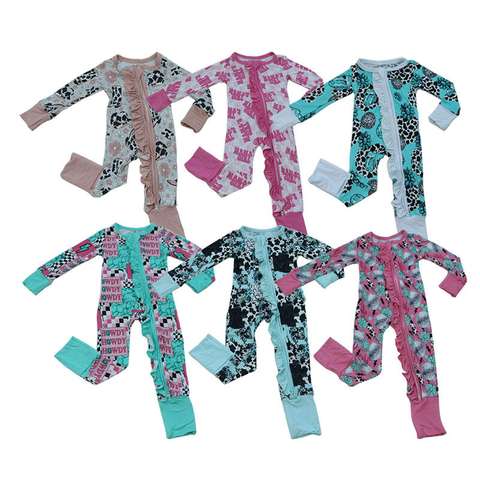
Bamboo fiber is garnering attention for its sustainability and versatility. As concerns over environmental impact grow, bamboo fiber represents a promising alternative to conventional materials. Derived from the pulp of bamboo plants, it is praised for its biodegradability, softness, and durability, making it a suitable choice for a variety of textile products, including baby rompers.
Design and Features of Bamboo Fiber Rompers
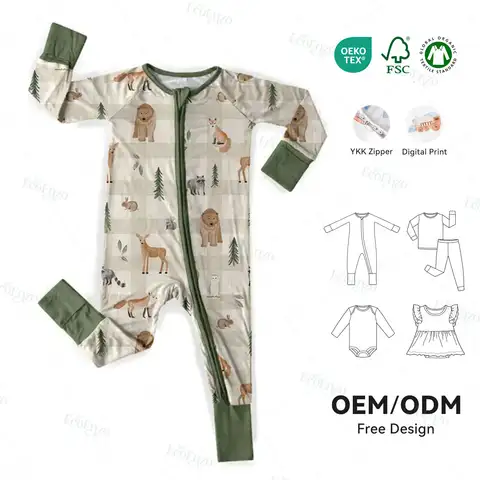
The design of a bamboo fiber romper combines practicality with comfort. Bambino fibers are known for their innate softness, providing a gentle touch to delicate skin. The structure of bamboo fabric is highly breathable, ensuring that the wearer remains comfortable in varying temperatures. , bamboo fiber is naturally hypoallergenic and antimicrobial, making it an excellent fabric for sensitive skin.
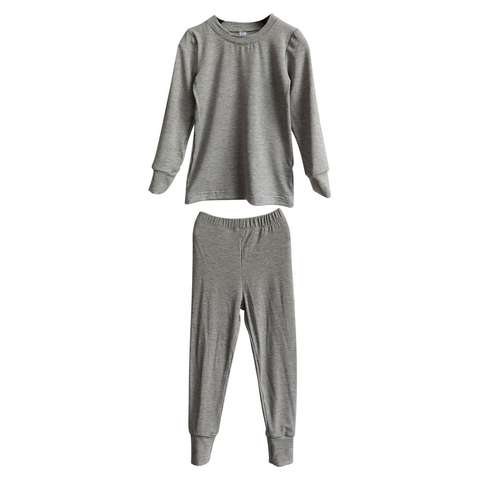
Rompers crafted from bamboo fiber typically feature seamless designs to prevent discomfort and offer maximum mobility. The fiber's stretchability ensures longevity in wear, accommodating growth without compromising fit or style.
Environmental Impact and Sustainability
Sustainability is a key feature of bamboo fiber rompers. Bamboo plants grow rapidly, reaching maturity in 3-5 years, which is significantly quicker than traditional hardwoods. This rapid growth cycle requires fewer resources, including water and pesticides, contributing to its eco-friendly profile.
Bamboo cultivation supports soil integrity and prevents erosion due to its extensive root system. Additionally, the conversion of bamboo pulp to fiber is designed to minimize chemical usage, reducing pollution compared to many conventional textile processes. Choosing bamboo fiber rompers over synthetic fabrics helps decrease carbon footprints and reduces waste in landfills as the material is biodegradable under proper conditions.
The Production Process
Producing bamboo fiber rompers involves several stages, where attention to ethical practices in sourcing and manufacturing is critical. Initially, bamboo stalks are harvested and processed to extract cellulose, which is then spun into fibers using mechanical or chemical processes. The fibers are woven into fabrics, ensuring that they retain their natural qualities.
Throughout production, companies often emphasize maintaining ecological balance. Eco-friendly dyes are used to enhance rompers’ aesthetics without compromising their chemical-free status. Adopting sustainable practices across manufacturing ensures that the resultant garment respects both artisanship and environmental care.
Benefits of Bamboo Fiber Rompers
- Comfort: Bamboo fiber's natural softness provides comfort against the skin, ideal for infants and toddlers.
- Thermal Regulation: Thanks to breathable fabric, bamboo fiber rompers maintain optimal body temperature, making them suitable for various climates.
- Hypoallergenic Properties: The chemical-free nature of bamboo fiber helps reduce irritation, specially catered to sensitive skin.
- Odor Resistance: Bamboo has natural antimicrobial properties that help prevent odor buildup.
- Durability: Despite its softness, bamboo fiber is robust and can withstand frequent use and washing.
Challenges and Considerations
While bamboo fiber presents numerous advantages, there are challenges to consider. Ensuring that the production process remains truly sustainable requires oversight and regulation, as some methods of extracting fibers may involve chemical treatments that counteract environmental benefits.
Transparency in sourcing and manufacturing helps assure customers of genuine environmental care, making certifications such as OEKO-TEX® and GOTS important indicators of sustainable practices.
Cost is another factor; bamboo fiber garments may be priced higher due to ethical manufacturing and desired quality standards. However, investing in lifecycle value and sustainability promotes long-term benefits that justify the initial cost.
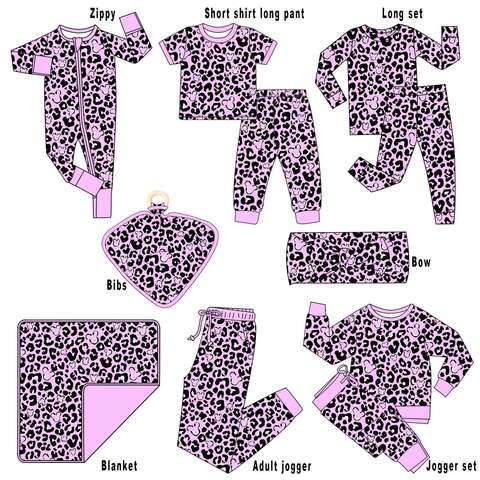
| Fabric | Bamboo/Cotton |
| Compliance | CPSIA Compliant |
| MOQ | 500pcs |
The Future of Bamboo Fiber Clothing
As awareness of environmental sustainability grows, bamboo fiber rompers are likely to see increased adoption. Technological advancements continue to optimize the production process, enhancing efficiency without sacrificing sustainability. Further research into bamboo fiber applications may expand its use across diverse clothing categories, pushing boundaries in sustainable fashion innovation.

Collaboration between fashion designers, manufacturers, and environmental experts will play a crucial role in promoting bamboo fiber and ensuring it becomes an integral part of the conscious consumer's wardrobe.
Bamboo fiber rompers stand out as a sustainable, comfortable, and stylish choice for eco-conscious consumers. With its rapid growth, minimal resource requirements, and biodegradability, bamboo is an ideal alternative that meets modern-day ecological demands. As the industry progresses, it will be vital to maintain transparency and continually innovate to maximize bamboo's potential in textile production. Investing in bamboo fiber rompers supports environmental integrity and champions responsible fashion, paving the way for a greener future.