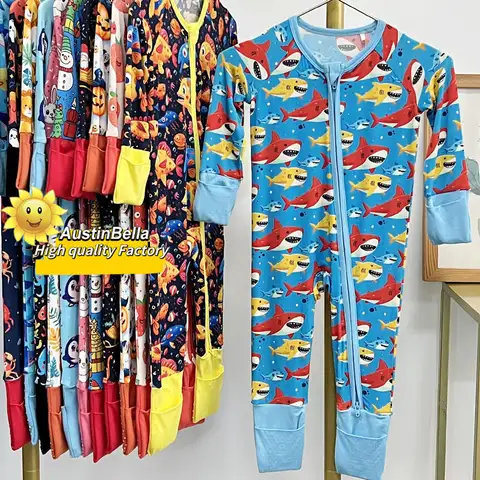
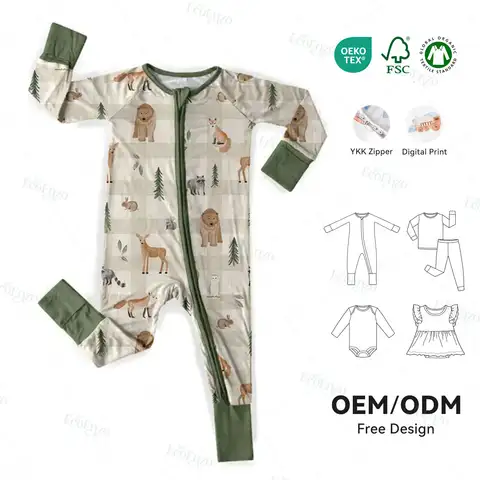
Tailormade Bamboo Clothing Set Socks Private Label Factory
Understanding Quality Control and Compliance in Bamboo Clothing: An In-Depth Look at Socks
Bamboo clothing, particularly socks, is rapidly gaining popularity due to its natural fibers that offer comfort, breathability, and eco-friendliness. However, for businesses venturing into this segment, understanding the regulatory landscape and quality control requirements is crucial for success and compliance. This article provides insights into aligning bamboo socks manufacturing with CPC (Consumer Product Safety Commission) and CPSIA (Consumer Product Safety Improvement Act) standards, while also incorporating rigorous Quality Control (QC) audits.
The Appeal of Bamboo Socks
Bamboo fibers are celebrated for their antibacterial properties, moisture-wicking capabilities, and sustainability, making them a preferred choice for consumers seeking comfort and durability. As retailers and manufacturers increase their offerings in bamboo socks, it is essential to stay informed about the regulatory standards to ensure product safety and marketability.
CPC and CPSIA Compliance Requirements
CPSIA, enacted in 2008, strengthens the safety standards for consumer products, particularly those intended for children. While socks are generally considered adult products, if marketed for children, they must meet stringent CPSIA guidelines. For bamboo socks that fall under the general consumer product category, CPC requirements ensure adherence to safety standards and proper labeling.
Key CPSIA compliance aspects for bamboo socks include:
- Lead Content: Socks must not contain more than 100 parts per million (ppm) of total lead content in accessible parts, ensuring minimal exposure.
- Phthalate Restrictions: If the socks include plastic components, such as elastic bands, they must comply with the phthalate limits set forth by CPSIA.
- Flammability Standards: Though bamboo fabric is naturally resistant to flames, testing against flammability standards is mandated to ensure consumer safety.
- Tracking Labels: Clear labeling with sufficient tracking information helps trace the product’s origin and manufacturing details, facilitating corrective actions if necessary.
, CPC compliance ensures that bamboo socks possess detailed labeling that informs consumers about product specifications, safety advisories, and usage guidelines.
Implementing Effective Quality Control Audits
While compliance is essential, conducting quality control audits is equally crucial in maintaining the integrity of bamboo socks. QC audits focus on evaluating various aspects of production, from raw material sourcing to the final packaging, ensuring the product meets both regulatory and consumer expectations.
| MOQ | 500 PCS |
| Customization | Private Label |
| Fabric Type | Recycled Poly |
| Lead Time | 42 Days |
| AQL Standard | 2.5 Critical / 4.0 Major |
Components of an effective QC audit for bamboo socks include:
- Material Inspection: Assessing the quality of bamboo fibers used, ensuring they adhere to specified standards like thread count, texture, and color consistency.
- Manufacturing Process Audit: Evaluating the production methods to ensure they meet both efficiency and ethical standards. This includes inspecting machinery, workforce training, and environmental practices.
- Finished Product Testing: Conducting rigorous tests, including strength, durability, and comfort assessments, to verify the quality of the final product.
- Packaging and Labeling Evaluation: Review packaging for compliance with regulatory standards and accessibility, ensuring labels are accurate and informative.
Integration of CPC and QC Audits
Ensuring CPC compliance should not be seen in isolation from quality control practices. Integrating compliance standards with QC audits can optimize the bamboo socks production process. This integration fosters a holistic approach, aligning product safety with quality assurance, and enhancing brand reputation and consumer trust.
Manufacturers and retailers can use the following strategies to merge CPC standards with QC audits:
- Collaborative Training: Conduct workshops and training sessions for staff across all production stages, emphasizing the importance of both compliance and quality control.
- Technology Utilization: Implement advanced technology solutions for tracking production, monitoring compliance real-time, and facilitating systematic audits.
- Continuous Improvement Cycles: Establish continuous feedback loops to refine both compliance measures and quality control checks based on evolving industry standards and consumer feedback.
: Crafting a Compliance and Quality-Driven Bamboo Socks Brand
The seamless integration of CPC/CPSIA compliance requirements and comprehensive quality control audits can transform bamboo socks manufacturing into an exemplary model of product excellence. For businesses entering this space, a strong adherence to regulatory standards coupled with diligent QC practices ensures not only legal adherence but also superior product quality, fostering consumer trust and loyalty. By prioritizing these aspects, manufacturers and retailers can carve a distinguished space in the burgeoning market of sustainable bamboo clothing.