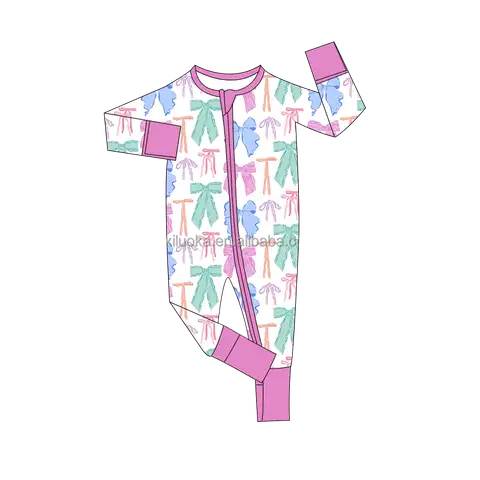
Wholesale China Bamboo Postpartum Pajama Set
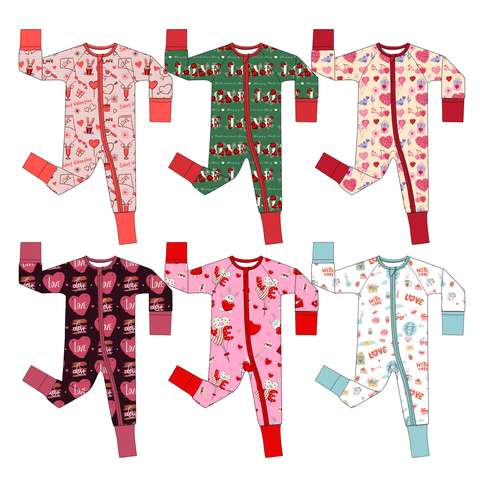
B2B Guide to Bamboo Postpartum Pajama Set
Understanding Fabric GSM Standards
GSM, or grams per square meter, is one of the most critical factors to consider when sourcing fabric for postpartum pajama sets. The GSM measures fabric density, reflecting both the weight and durability. For bamboo fabric, which is favored for its softness and sustainability, optimal GSM ranges between 150 and 250 depending on the apparel's intended use.

Postpartum wear requires a specific balance between lightness for comfort and adequate density for durability. A pajama set designed for this purpose should ideally have a GSM of 180–220. This ensures a breathable, soft fabric without compromising longevity despite frequent washing cycles.
Bamboo fabric with consistent GSM purity requires advanced manufacturing protocols. Uniform fiber distribution during weaving and proper post-production treatments like singeing and calendaring are crucial to maintain both surface smoothness and GSM consistency. Non-homogeneous GSM levels can lead to uneven texture and performance issues that compromise customer satisfaction.
The Role of GOTS Certification
The Global Organic Textile Standard (GOTS) is widely recognized as the gold standard for certifying the sustainability and organic purity of textile products. For bamboo postpartum pajama sets, GOTS certification plays a pivotal role in enhancing both consumer trust and market value.
GOTS-certified bamboo fabric guarantees that the entire production process—from raw material sourcing to dyeing and finishing—adheres to stringent environmental and ethical guidelines. Key parameters include chemical traceability, wastewater management, fair labor practices, and low-energy practices in production. Such compliance ensures that the fabric remains free of harmful chemicals like formaldehyde, azo dyes, and heavy metals, which are particularly critical for postpartum wear to prevent irritation on sensitive skin.
Attention to dyeing processes is especially vital. GOTS certification for postpartum pajamas made from bamboo fabric ensures non-toxic reactive dyes that bind effectively to cellulose fibers. This not only contributes to colorfastness but also minimizes potential release of substances that may adversely affect the wearer’s skin health or the environment.
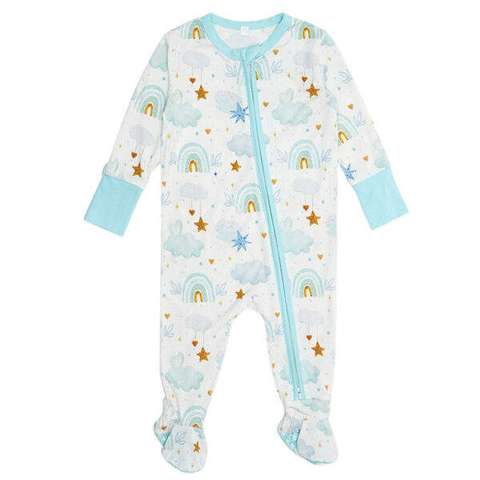
Bamboo Fiber: Performance and Sustainability
Bamboo fibers are distinguished by their inherent moisture-wicking capacity and thermoregulation properties. These attributes are essential for postpartum garments, aiding in temperature control for wearers prone to hormonal fluctuations. Bamboo's natural antimicrobial properties further ensure a hygienic textile option, reducing the possibility of bacterial buildup.
However, ensuring these fibers retain their benefits throughout processing is a technical challenge. Key methods include avoidance of harsh chemical treatments, controlled enzymatic retting processes during fiber extraction, and low-temperature heat treatments. Over-processing can damage bamboo’s microstructure, reducing its soft texture and neutralizing its bioactive qualities.
Sustainability concerns also factor heavily into bamboo textile production. Retailers sourcing postpartum pajama sets must audit their suppliers’ adherence to green harvesting practices. Comprehensive crop rotation schedules, waste management strategies, and sustainable cultivation indicators safeguard against deforestation and soil depletion.
Fabric Construction and drape properties
Bamboo postpartum pajama sets should leverage fabric construction techniques appropriate for postpartum applications. A delicate balance between knit and woven textures is often ideal. Knitted bamboo fabrics generally offer greater elasticity and comfort, making them suited for the bottom layer, whereas woven variants are preferable for durability-focused areas like waistbands or cuffs.
Bamboo textiles exhibit an impressive drape due to their semi-synthetic cellulose composition. For postpartum pajama sets, this gives a sleek silhouette without clinging excessively to the body. To optimize this, the fabric should maintain adequate stretch properties without relying on synthetic elastane. Blends incorporating organic cotton can support structural integrity naturally without compromising sustainability goals.
Thread count and ply also play critical roles. Yarn selection for bamboo pajama sets should ideally stick to single-ply, ring-spun threads to achieve an even smoother texture. Higher thread counts are preferred, provided this doesn't add unwanted rigidity to the material.
Supply Chain Transparency and Testing Protocols
For distributors and retailers, transparency across the bamboo textile supply chain is vital. Verifiable documentation covering sourcing locations, eco-friendly chemical usage, and labor compliance is key to meeting certifications like GOTS. Technical audits and sampling are integral for verifying fabric consistency.
Performance testing should account for tensile strength, wash durability, and pilling resistance. Bamboo pajama sets for postpartum application must undergo stress tests under conditions mimicking frequent laundering cycles. Repeated wash exposure should not erode the GSM consistency or fabric texture.
Additionally, microbial testing ensures the fabric retains its natural antibacterial profile. Independent lab validations, such as AATCC (American Association of Textile Chemists and Colorists), guarantee compliance with safety standards specific to wearable postpartum products.