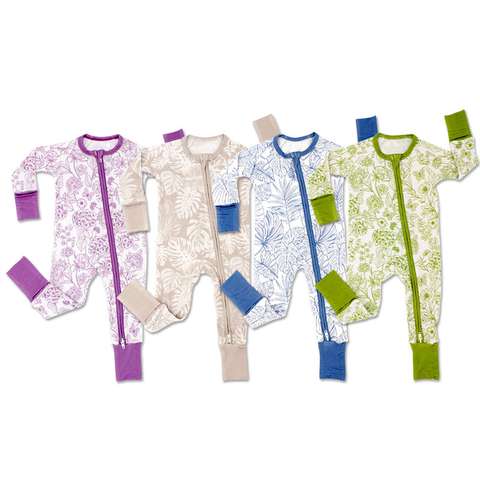
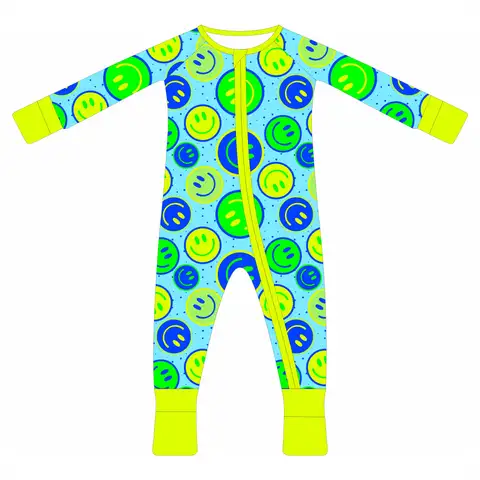
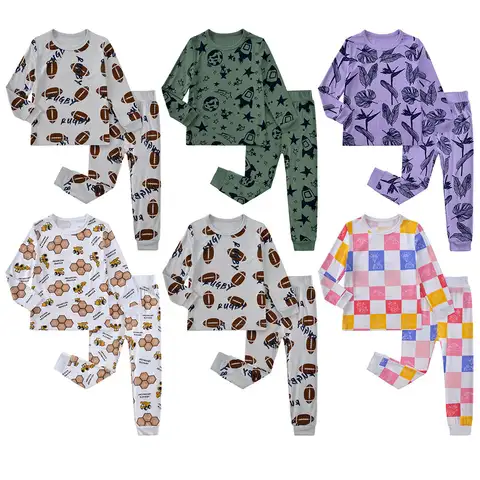
Cpc Certified Baby Bamboo Rompers Custom Supplier
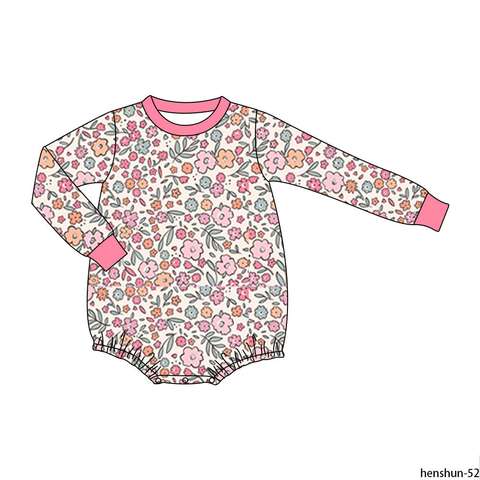
Understanding CPC/CPSIA Compliance for Baby Bamboo Rompers
Manufacturers and wholesalers of baby apparel are increasingly recognizing the importance of compliance with the Consumer Product Safety Commission (CPSC) guidelines, specifically those mandated by the Consumer Product Safety Improvement Act (CPSIA). For baby bamboo rompers, a popular choice in the eco-friendly apparel market, understanding these requirements is crucial. CPC and CPSIA compliance not only ensures safety but also enhances consumer trust and protects businesses from potential liabilities.
What is CPC/CPSIA Compliance?
The Consumer Product Safety Improvement Act (CPSIA) is legislation enacted to ensure that products intended for children under 12 years of age are safe. It mandates rigorous testing and certification procedures, especially for children's apparel and textiles. One essential requirement is the issuance of a Children's Product Certificate (CPC), confirming compliance with applicable children’s product safety rules.
Key CPSIA Requirements for Baby Bamboo Rompers
For baby bamboo rompers, several CPSIA requirements must be met:
- Lead Content: The CPSIA sets strict limits on lead content in children’s products. Baby bamboo rompers must contain no more than 100 ppm (parts per million) of lead in accessible parts.
- Phthalates: Products must be free of prohibited phthalates, chemicals often used to soften plastics, which can be harmful if ingested by children. Specific limits are set for childcare articles like rompers.
- Flammability Standards: The fabric used in baby apparel must comply with flammability standards. While bamboo fabric is naturally hypoallergenic and breathable, it still requires testing and certification.
- Tracking Labels: Each romper must include a tracking label that provides information such as the manufacturer’s name, production date, and location, to facilitate recalls if necessary.
Quality Control Audits for Baby Bamboo Rompers
Quality control (QC) audits are a systematic process used to ensure that the baby bamboo rompers meet quality and compliance standards. These audits can be internal or conducted by third-party agencies to ensure impartiality and thoroughness. Here are some key components of QC audits for baby bamboo rompers:
Material Inspection
Auditors focus on the material quality by inspecting the bamboo fabric for defects like tears, stains, and inconsistencies in thickness or weave. Bamboo fabric’s hypoallergenic properties and softness make it a preferred choice for baby garments, so maintaining its integrity is essential.
Design and Production Standards
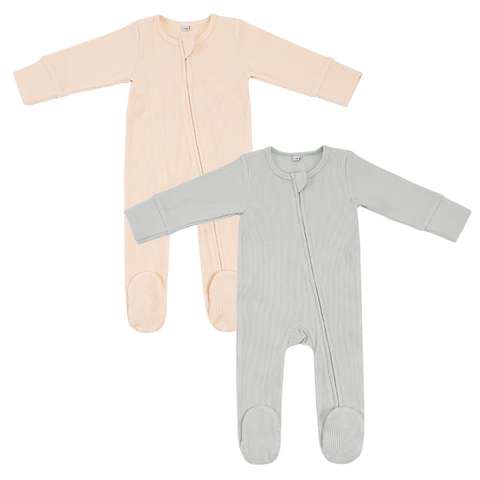
Each romper’s design must be scrutinized to ensure it meets ergonomic standards for infant wear. Quality control audits typically evaluate the stitching, seams, and construction to ensure there are no loose parts or choking hazards.
Sample Testing and Certification
Sampling involves selecting random batches of baby bamboo rompers and subjecting them to rigorous testing to certify CPSIA compliance. This includes testing for harmful substances like lead and phthalates, flammability tests, and mechanical tests to ensure durability.
Documentation and Reporting
Detailed records are integral to QC audits in maintaining transparency and traceability in compliance. Documentation includes test results, corrective actions taken, and certification copies, contributing to the CPC issuance process.
The Benefits of Complying with CPC/CPSIA Standards
Compliance with CPC/CPSIA standards offers several advantages to manufacturers and sellers of baby bamboo rompers:
- Enhanced Safety: By adhering to strict safety standards, businesses ensure that their products pose no risk to infants, protecting them from potential hazards.
- Reduced Liability: Compliance reduces the risk of litigations and recalls, safeguarding business interests and brand reputation.
- Consumer Trust: Parents and caregivers are more likely to trust products that are certified safe, increasing the appeal and marketability of the rompers.
- Access to Broader Markets: Compliance allows access to markets with stringent safety regulations, expanding opportunities for growth and sales.
The production and distribution of baby bamboo rompers involve several layers of compliance and quality checks to ensure safety and quality. Understanding the CPC/CPSIA requirements and implementing thorough QC audits not only safeguard the well-being of infants but also enhance the credibility and competitive edge of businesses involved in the baby apparel segment. As consumer awareness continues to grow, the demand for compliant and eco-friendly baby products is likely to increase, providing opportunities for diligent manufacturers to thrive in a responsible and sustainable manner.
| Customization | OEM |
| Lead Time | 21 Days |
| Compliance | CPSIA Compliant |
| Fabric Type | Organic Bamboo |
| MOQ | 100 PCS |