Custom Bamboo Onesie Baby Supplier
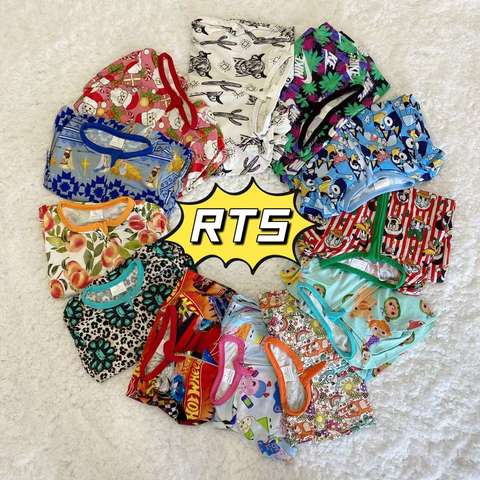
| Fabric | Bamboo/Cotton |
| Compliance | CPC Certified |
| MOQ | 500pcs |
Introduction to Bamboo Onesie Baby
In the realm of baby clothing, innovation and comfort are constantly evolving to meet the demands of both babies and parents. The bamboo onesie baby outfit has emerged as a popular choice for its exceptional qualities. Made from bamboo fibers, these onesies are celebrated for their softness, sustainability, and functionality. As an engineer, understanding the design and production of bamboo onesies involves delving into the material properties and the technological processes that allow their creation.
Material Properties of Bamboo Fabric
Bamboo fabric boasts unique characteristics that make it a suitable choice for baby clothing. Firstly, bamboo fibers are naturally soft and hypoallergenic, making them perfect for sensitive baby skin. The structure of bamboo fiber lends itself to being more breathable compared to conventional cotton, aiding in temperature regulation which is crucial for infants. Additionally, bamboo is inherently antibacterial and antifungal, reducing the risk of skin irritations and infections. As an engineer, leveraging these attributes can involve optimizing the manufacturing processes to retain these natural benefits.
Sustainability and Environmental Impact
Bamboo's rapid growth and minimal need for pesticides and fertilizers contribute greatly to its status as an eco-friendly resource. Unlike traditional cotton, which requires significant water and chemical inputs, bamboo can thrive with relatively low environmental impact. For engineers focused on sustainable design, incorporating bamboo into baby clothing is a step towards reducing the carbon footprint associated with garment manufacturing. This environmental advantage makes bamboo a preferred material for eco-conscious parents seeking sustainable options for their children.
Manufacturing Process of Bamboo Onesies
The production process of bamboo textiles begins with harvesting the bamboo plants, followed by a softening process to transform the fibers into usable fabric. Engineers must ensure that this conversion process maintains the inherent qualities of bamboo, such as softness and durability. Mechanically, bamboo fibers are extracted and spun into yarn, which is then woven into fabric. It's essential that the machinery used in these steps is calibrated to prevent fiber damage, which can compromise the fabric’s integrity. Further innovation in this area might involve developing new spinning techniques or eco-friendly dyeing processes that complement bamboo's natural traits.
Design Considerations for Baby Onesies
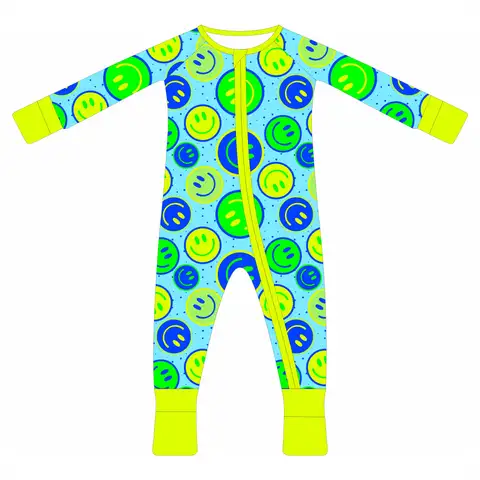
Designing a bamboo onesie involves more than selecting materials. Engineers and textile designers must consider functional aspects such as ease of use, safety, and comfort. Snap closures or envelope necklines facilitate easy dressing and undressing, a necessity for baby garments. Additionally, seamless construction can minimize irritation points for babies, optimizing comfort. From an engineering perspective, advancements in fabric patterning technology can ensure these features are integrated seamlessly, enhancing the user experience while maintaining production efficiency.
Challenges in Production and Market Adoption
Despite its benefits, the widespread adoption of bamboo onesies faces challenges. One of the primary obstacles includes the higher cost of production compared to traditional cotton garments, potentially affecting market prices. Engineers and manufacturers must work towards optimizing production efficiency to reduce costs without compromising quality. Additionally, consumer education regarding the advantages of bamboo clothing can drive market demand. Understanding and addressing these challenges is integral to advancing bamboo clothing as a standard option in baby apparel.
Innovative Approaches and Future Trends
The future of bamboo onesie baby garments lies in continuous innovation in textile technology. Engineers might explore blending bamboo with other natural fibers to enhance specific attributes like tensile strength or elasticity. , advancements in biotech could pave the way for genetically modified bamboo that possesses even greater antimicrobial properties or enhanced growth rates. Monitoring the advancements in sustainable agricultural practices will also be vital to keep bamboo an eco-friendly option. The integration of smart technology such as thermal sensors or moisture detectors could transform bamboo onesies into intelligent garments, meeting not just current but future needs of baby clothing.
Bamboo onesies represent a meld of nature’s ingenuity and human innovation, providing a sustainable, comfortable, and functional option for baby clothing. From an engineering standpoint, their production involves leveraging material science and innovative manufacturing processes to deliver high-quality products. As sustainability continues to be a driving force in consumer choices, the role of engineers in enhancing the production and design of bamboo apparel will only grow. Embracing bamboo as a primary textile for baby clothing not only benefits the environment but also satisfies the need for safe and comfortable apparel for infants.