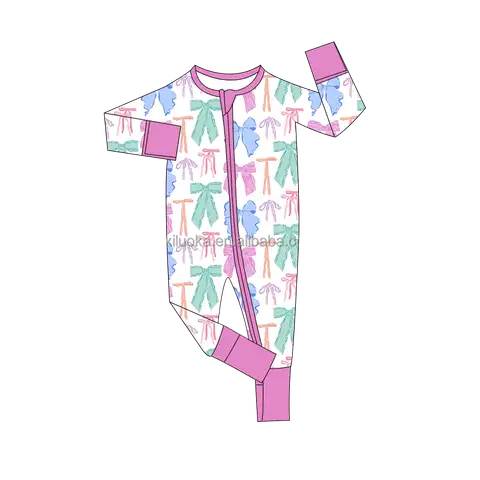
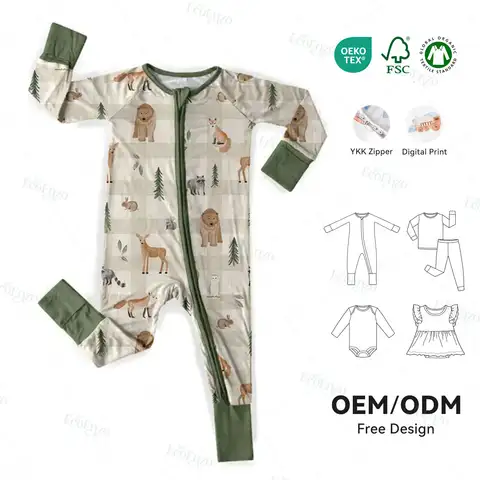
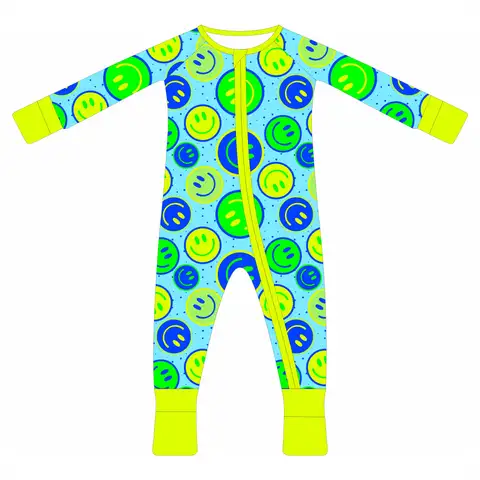
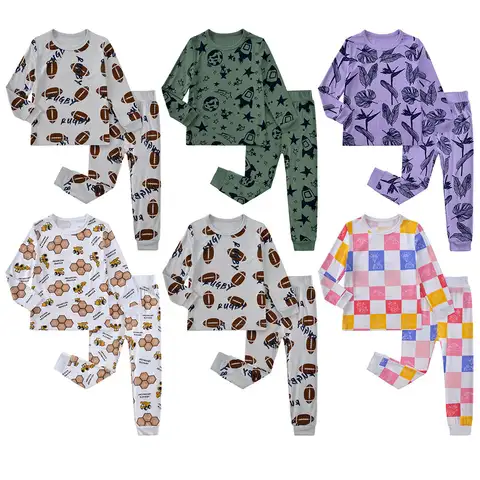
OEM China Factory Custom Bamboo Kids Clothes
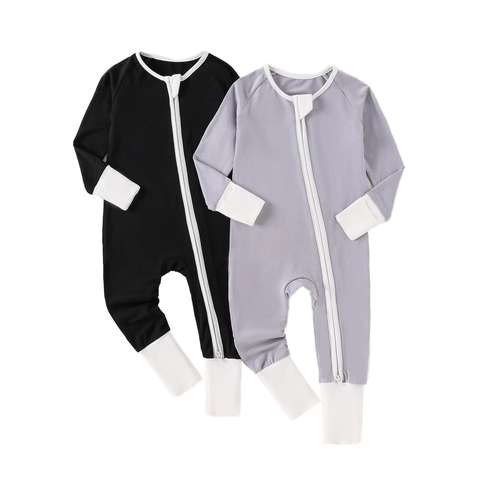
Seam Strength in Custom Bamboo Kids Clothes: A Practical Guide for Production Managers
Prioritizing seam durability is essential when manufacturing durable and safe kids' apparel made from bamboo fabric.
Why Seam Strength Matters
When producing kids’ clothing, especially from delicate fabrics like bamboo, seam strength isn't just a quality metric—it’s a safety requirement. Bamboo fibers, known for their softness and eco-friendliness, also pose challenges in holding up to tension, repeated washing, and the rough use typical in children’s clothing. Weak seams lead to production failures, loss of customer trust, and added costs due to repairs or returns in a market where durability expectations are high.
Common Seam Weaknesses in Bamboo Kids Clothing
Understanding the points of failure in seams is crucial for designing production processes. With custom bamboo kids clothes, typical seam issues arise from:

- Fiber Stretch: Bamboo fabric's stretchiness can increase the likelihood of stitch gaps under stress.
- Thread Quality: Standard threads may snap when used with bamboo’s inherent flexibility.
- Improper Stitch Type: Selecting a stitch that doesn’t accommodate movement leads to seam tearing.
- Poor Fabric Cutting: Uneven or imprecise cuts create additional stress at seam intersections.
Steps Before Production to Ensure Seam Strength
To maintain durability and reduce performance risks, address these areas during pre-production:
- Choose the Right Thread: Use polyester or reinforced elastic threads to compliment bamboo’s flexibility and softness.
- Stabilize Fabric: Pre-washing bamboo fabric reduces shrinkage during post-production wash cycles and enhances seam reliability.
- Perform Tensile Strength Tests: Perform pull-strength tests on sample seams stitched on your production machines to identify potential weaknesses before mass production.
- Implement Quality Control Standards: Standardize sewing machine settings, such as tension and stitch length, for consistency across production runs.
Best Practices for Stitching Bamboo Fabric
The sewing process for bamboo kids' clothes requires precision. Focus on the following stitching methods for durability:
Recommended Stitch Types
- Flatlock Seams: Reduces bulk and improves durability by preventing fabric edges from fraying.
- Overlocking: Essential for edge finishing on bamboo fabrics to prevent unraveling.
- Chain Stitches: Provides flexibility for garments like leggings or stretchy pajamas.
Seam Allowance Tips
Always maintain a seam allowance of at least 0.5 inches for children’s wear to reinforce garment strength. Use double stitching for added durability at stress points, such as armpits or crotch areas.
Post-Production Quality Checks
Effective quality control ensures the finished product meets durability standards. Integrate these checks into the inspection process:
- Tensile Test: Apply graded tension tests on seams under real-world conditions to simulate typical wear.
- Wash Trials: Test completed garments through multiple washing cycles to check for seam degradation or unravelling.
- Spot Checks: Inspect high-risk zones like armholes, neck openings, and stitched appliqués for loose threads or missed stitches.
Troubleshooting Seam Strength Issues
Even with robust planning, seam failures can occur. Address these issues quickly to avoid large-scale production setbacks:
- Skipped Stitches: Check needle compatibility. Bamboo fabric often requires ballpoint needles to prevent incomplete stitches.
- Seam Puckering: Verify tension settings. High-tension settings can pull the fabric, shrinking the seam.
- Thread Breakage: Inspect thread type for compatibility and recalibrate machine threading paths.
- Fraying Edges: Reinforce seams with overlock stitching or seam binding tape for added security.