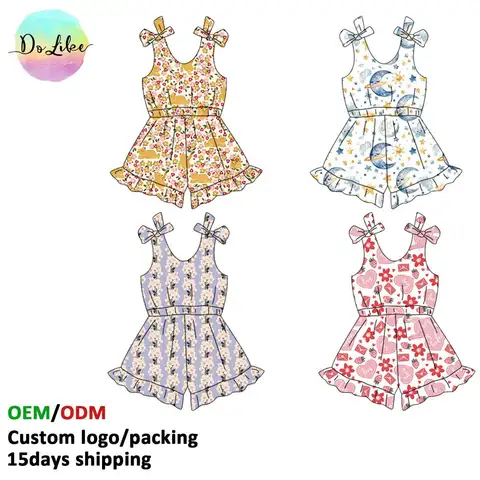
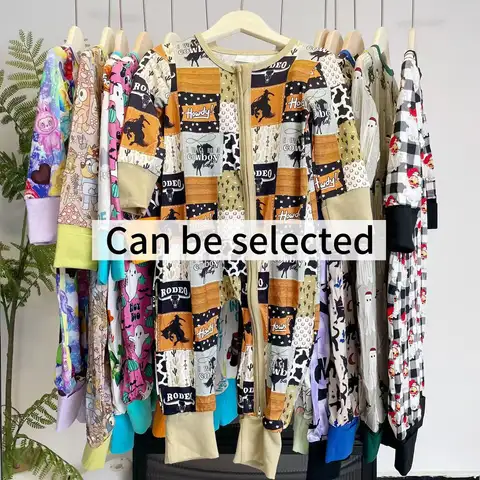
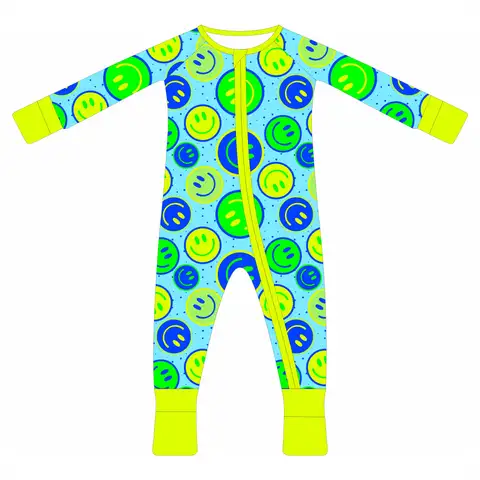
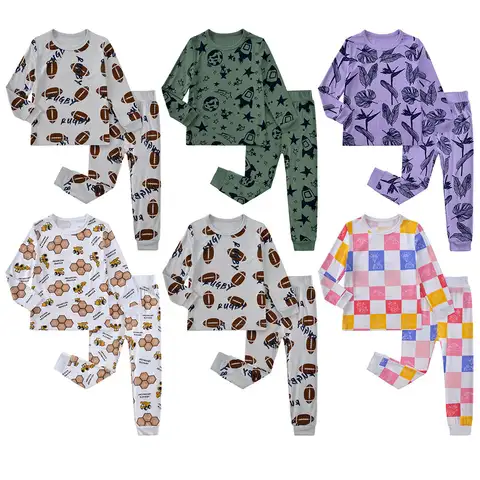
Tailor-made Bamboo Viscose Baby Pajamas Supplier
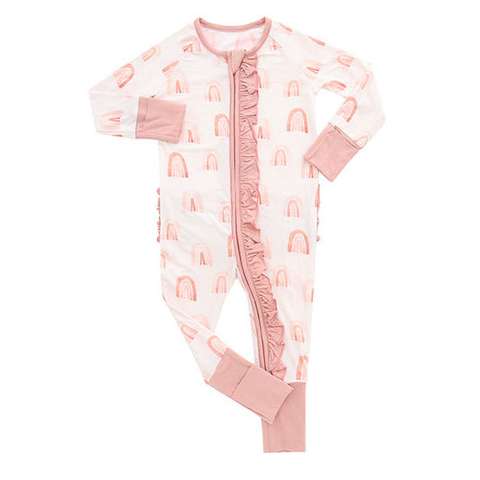
The Emergence of Bamboo Viscose in Baby Apparel
Bamboo viscose is gaining popularity in the textile industry for a variety of reasons, particularly in baby apparel. Unlike traditional fabrics, bamboo viscose is derived from the pulp of bamboo plants, making it a natural and sustainable alternative. The process involves crushing the plant and dissolving its cellulose to extract fibers, which are then spun into yarn. While the conversion process is more chemically intensive, the resulting fabric is soft, breathable, and environmentally friendly.
Why Choose Bamboo Viscose for Baby Pajamas?
Choosing the right fabric for baby pajamas is crucial, given a baby's sensitive skin. Bamboo viscose offers several benefits:
- Softness: The fabric produced from bamboo viscose is incredibly soft to the touch, often compared to silk and cashmere. This ensures utmost comfort against a baby’s delicate skin.
- Breathability: Bamboo viscose is highly breathable, which helps regulate body temperature by wicking moisture away from the skin. This makes it an excellent choice for pajamas, as it helps keep babies cool in summer and warm in winter.
- Hypoallergenic: Bamboo viscose is naturally hypoallergenic, reducing the risk of allergic reactions. It does not irritate the skin, making it ideal for babies with eczema or allergies.
- Antibacterial Properties: Bamboo viscose contains a natural bio-agent called "bamboo kun," which remains in the fabric even after processing. This agent helps make the fabric resistant to bacteria and odors, ensuring hygiene and freshness.
- Sustainability: Bamboo is one of the fastest-growing plants and requires minimal water and no pesticides, making bamboo viscose an environmentally conscious choice.
The Engineering Behind Bamboo Viscose Production
The process of transforming bamboo into viscose involves several engineered steps:
- Harvesting: Bamboo is harvested strategically to ensure sustainability. Because it grows so rapidly, bamboo can be harvested without causing permanent damage to the plant.
- Pulping: Once harvested, bamboo is chipped and soaked in a chemical solvent to break down its tough structure into a pulp. This is an essential step that separates the cellulose fibers needed for the textile process.
- Viscose Formation: The pulp is then dissolved into a solution of sodium hydroxide and carbon disulfide, creating a viscose solution. This cellulose solution undergoes a ripening period where its properties are precisely controlled.
- Extrusion: The viscose solution is extruded through spinnerets into a bath of sulfuric acid, where it solidifies into regenerated cellulose fibers. This critical engineering process converts liquid into solid fibers suitable for spinning into yarn.
- Spinning and Weaving: Once dried, the fibers are spun into yarn and woven into fabrics. This yarn undergoes various treatments to enhance its softness and suitability for garments.
Caring for Bamboo Viscose Baby Pajamas
To ensure longevity and maintain the superior qualities of bamboo viscose pajamas, proper care is necessary:
- Washing: It is recommended to wash bamboo viscose garments on a gentle cycle with cold water. Using mild, non-toxic detergents will help preserve the fabric’s softness and sheen.
- Drying: Line drying is ideal; however, if using a dryer, opt for a low-heat setting. High temperatures and over-drying can damage the fabric fibers.
- Ironing: If ironing is necessary, use a low heat setting or the “silk” setting to avoid scorching the fabric. It is advisable to iron the garment inside out to prevent sheen loss.
Sustainability and Environmental Impact
From an engineering perspective, the environmental impact of bamboo viscose production is lower than many other textiles. Bamboo weaving provides a renewable resource that aids in carbon dioxide absorption and oxygen release. , as technology advances, the chemical processes are being optimized to minimize waste and reduce harmful emissions. Research into closed-loop systems for processing bamboo viscose is ongoing, with the objective of recycling and reusing the chemicals involved, further enhancing sustainability.

, bamboo viscose represents a harmonious blend of comfort, functionality, and environmental responsibility in baby apparel. Its superior qualities make it an ideal choice for infant sleepwear, offering benefits that address both infant needs and parental concerns. The engineering technology driving bamboo viscose production continues to evolve, promising greater refinement and efficiency in sustainably meeting textile demands. As consumers become more eco-conscious, bamboo viscose baby pajamas stand out as a testament to advancing sustainable solutions in textile engineering and consumer goods.
| Fabric | Bamboo/Cotton |
| Compliance | ASTM F963 |
| MOQ | 500pcs |